
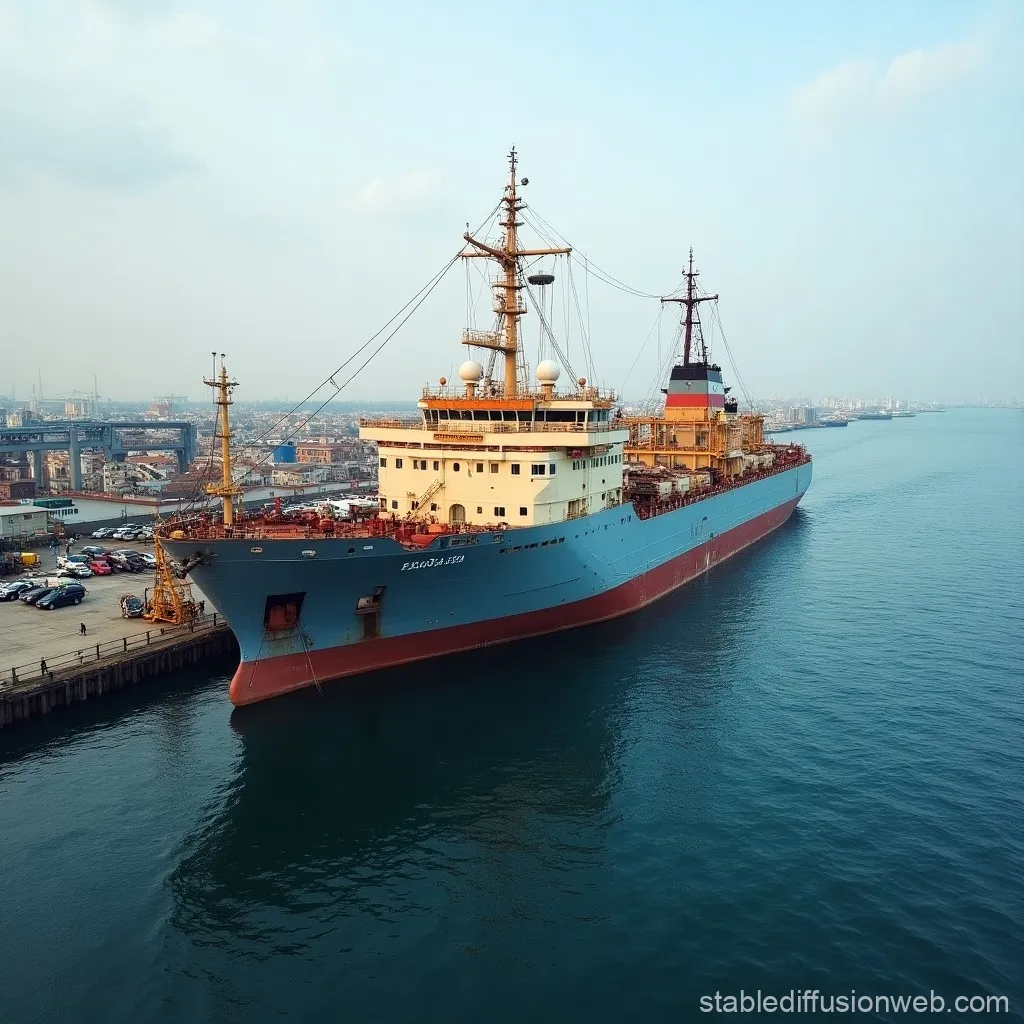
On April 19, 2026, tensions escalated in the Arabian Sea as the Iranian-flagged commercial vessel Touska found itself at the center of a significant maritime confrontation.
As it attempted to breach a naval blockade, US military forces intervened. After a tense six-hour standoff, Marines boarded the ship. The USS Spruance had already disabled its propulsion system when the crew failed to heed warnings.
This operation unfolded while the Touska was en route to Bandar Abbas, Iran. The stakes were high—especially considering that the ship is under US Treasury sanctions due to its history of illegal activities.
But what does this mean for both nations? Iran’s military command quickly condemned the US action as a violation of a ceasefire, accusing American forces of piracy. They asserted that their national security interests were at stake.
The situation intensified when US President Donald Trump stated, “The Iranian crew refused to listen, so our Navy ship stopped them right in their tracks by blowing a hole in the engine room.” This pointed remark underscored the aggressive stance taken by the United States.
Meanwhile, Iran’s Foreign Minister issued a stark warning: Iran will protect its interests and national security. Such rhetoric is not new; it echoes past confrontations between these two nations.
Details remain unconfirmed about potential repercussions. However, Iran vowed retaliation for this seizure, raising questions about future interactions in an already volatile region.
That context matters because it highlights ongoing tensions in the Strait of Hormuz—a crucial passage for global oil shipments. The challenges here are not merely local; they reverberate across international markets and geopolitical relations.
As we reflect on this incident, it’s essential to consider how maritime security continues to evolve. The USS Tripoli and USS Spruance’s roles exemplify America’s commitment to monitoring Iranian activities at sea.
The implications of this encounter are profound; they may redefine maritime strategies and diplomatic engagements moving forward. With both sides poised for action, the waters ahead remain uncertain.