
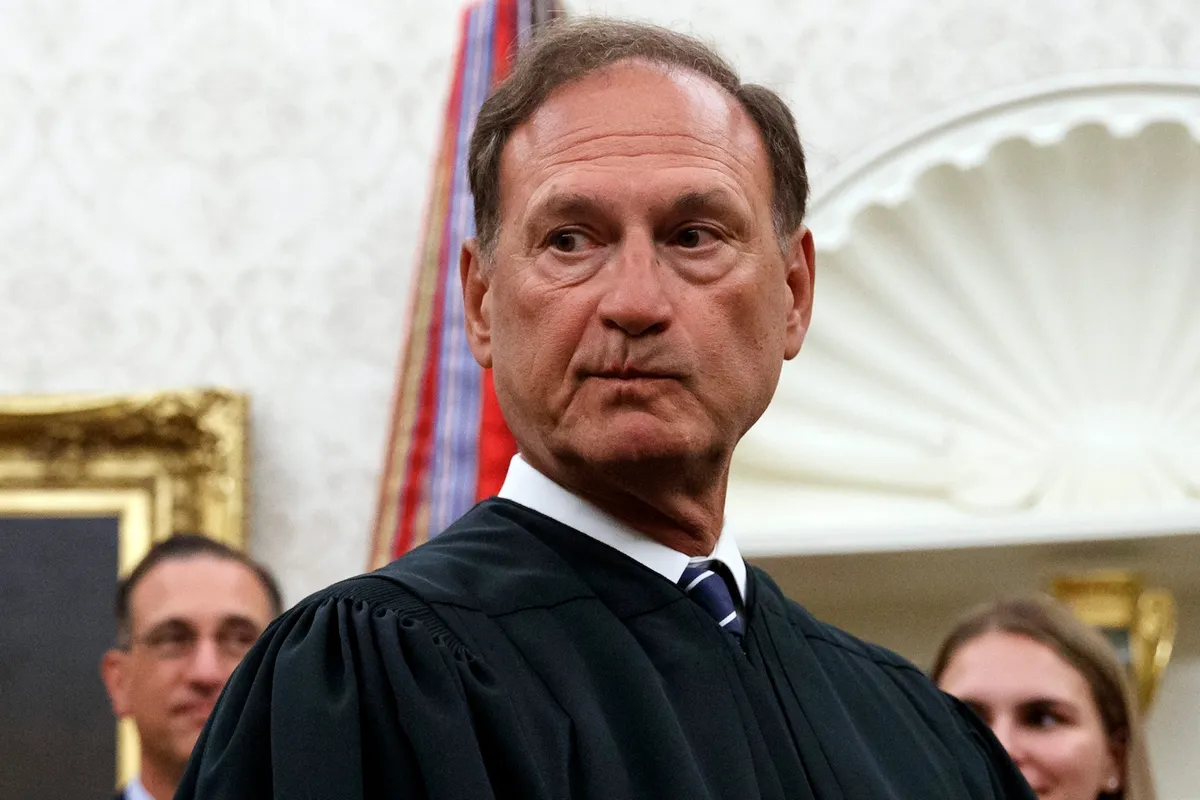
Speculation surrounding Samuel Alito‘s retirement has significant implications for the future of the Supreme Court. As a key member of the bench, his decision to stay or leave could reshape judicial perspectives and influence pivotal rulings. But as it stands, Alito is not planning to retire this year.
At 76 years old, Alito has been a fixture on the Supreme Court since 2006. His tenure began after being nominated by President George W. Bush in 2005. Given his age and long service, discussions about his potential retirement have grown—especially as the court approaches the end of its term each year. This year, however, those conversations seem premature.
Alito recently hired all four law clerks for the upcoming annual term. This move signals his intention to continue serving at least into 2027. It’s a clear indication that he is not stepping down anytime soon. In fact, despite a recent health scare—he was treated for dehydration after becoming ill at a Federalist Society dinner—Alito remains an active participant in the court’s work.
This context matters because it highlights how speculation often arises from a combination of age, tenure, and current events. For instance, Clarence Thomas, who is 77 years old and has served since 1991, is also under similar scrutiny regarding retirement. Yet both justices continue to contribute significantly to the court’s decisions.
While Donald Trump has praised Alito as an “unbelievable justice,” he also hinted at uncertainty regarding retirements among justices during his presidency: “In theory, it’s two or three… it could be one.” Such comments reflect ongoing concerns about how future appointments could shift the ideological balance of the court.
The dynamics surrounding Alito’s potential retirement are layered and complex. His decision to remain impacts not just the court’s composition but also its future rulings on critical issues like reproductive rights and healthcare. With Trump having filled three seats during his first term, any changes in Alito’s status could reverberate through American jurisprudence.
As we look forward, uncertainties remain about when or if justices like Alito will step down. Current indicators suggest he is committed for now—yet details remain unconfirmed about any long-term plans. The political landscape and public sentiment may also play roles in influencing these decisions.
In summary, while Samuel Alito’s retirement speculation continues to swirl, his current intentions are clear: he plans to stay on the Supreme Court for several more years. The stakes are high as we navigate this pivotal moment in American judicial history.