
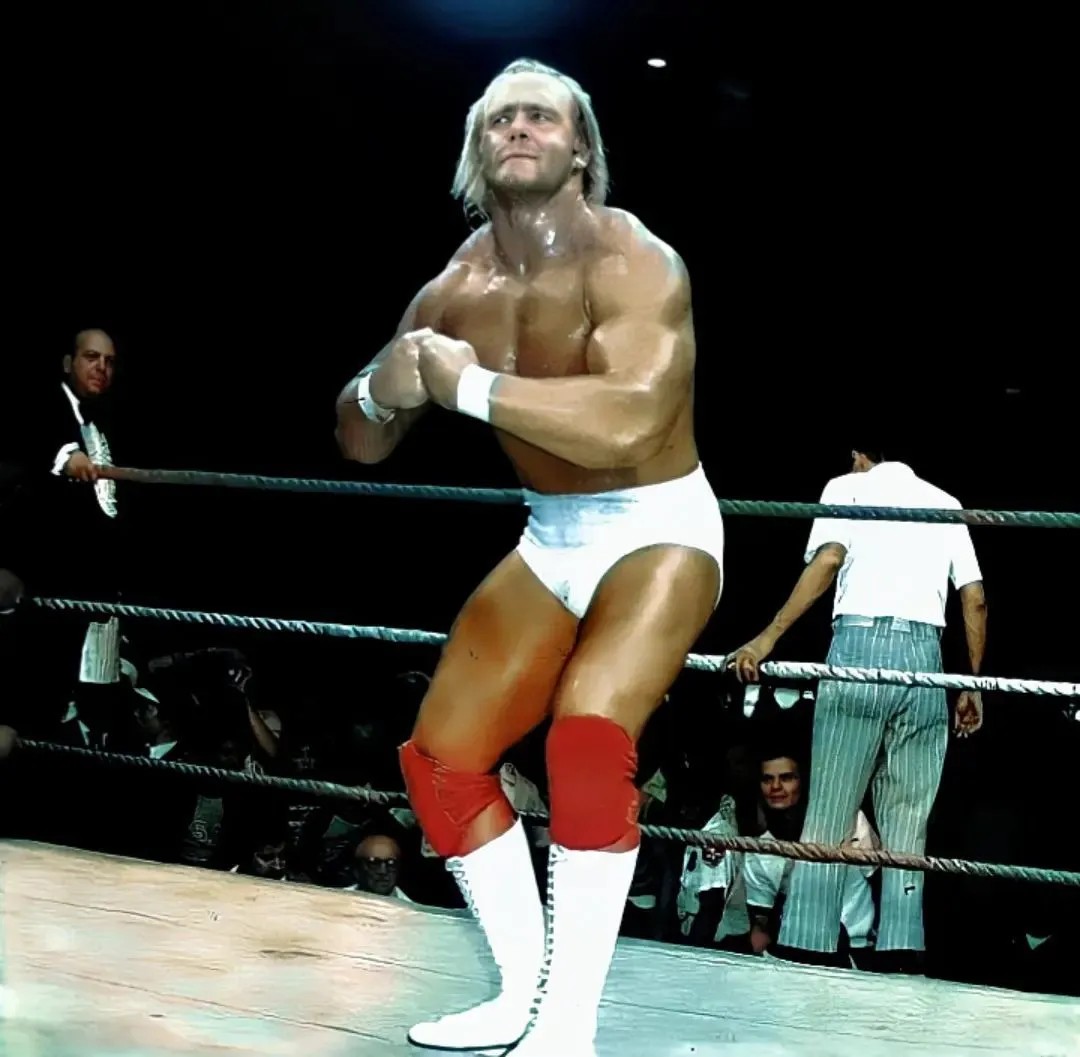
Hulk Hogan, born Terry Gene Bollea, was a titan in professional wrestling. He helped popularize the sport in the United States. For decades, he embodied the larger-than-life persona that captivated millions. However, expectations around his legacy have shifted dramatically following his recent death at age 71.
Initially, many viewed Hogan as an indomitable figure in wrestling. His career began as the masked Super Destroyer and evolved into a cultural icon. Yet, this image has been marred by controversies—most notably, his admission of steroid use and a highly publicized lawsuit against Gawker over a sex tape.
On July 24, 2025, the decisive moment came. Hogan died from a heart attack after spending 2.5 months in and out of hospitals. This event sent ripples through both the wrestling community and his family. The immediate numbers are staggering: a $31 million settlement from Gawker looms large over his financial legacy.
That context matters because it highlights how complex Hogan’s life was. He endorsed Donald Trump at the 2024 Republican National Convention—a move that polarized fans further. Additionally, his daughter Brooke chose not to appear in the recent Netflix documentary about him due to their difficult relationship.
The fallout from Hogan’s death has affected those closest to him. His son Nick participated in discussions about their father’s health complications, indicating a willingness to address family issues openly. But what does this mean for their legacy?
Experts suggest that Hogan’s passing may alter how future generations view him. “Terry Bollea was not the greatest person of all time,” he once said himself—an admission that could reshape public perception.
Moreover, his tumultuous marriage to Linda Bollea ended in divorce in 2007 after infidelity, leaving scars on both family dynamics and public image. Yet, despite these challenges, Hogan’s influence on wrestling remains undeniable.
As we reflect on Hulk Hogan’s life and career, one question lingers: How will this iconic figure be remembered? His final public appearance at Netflix’s WWE launch event serves as a poignant reminder of his lasting impact on the industry.
The complexities of his legacy are now intertwined with personal struggles and public controversies—making it clear that Hulk Hogan was more than just a wrestler; he was a multifaceted individual navigating fame and its pitfalls.