
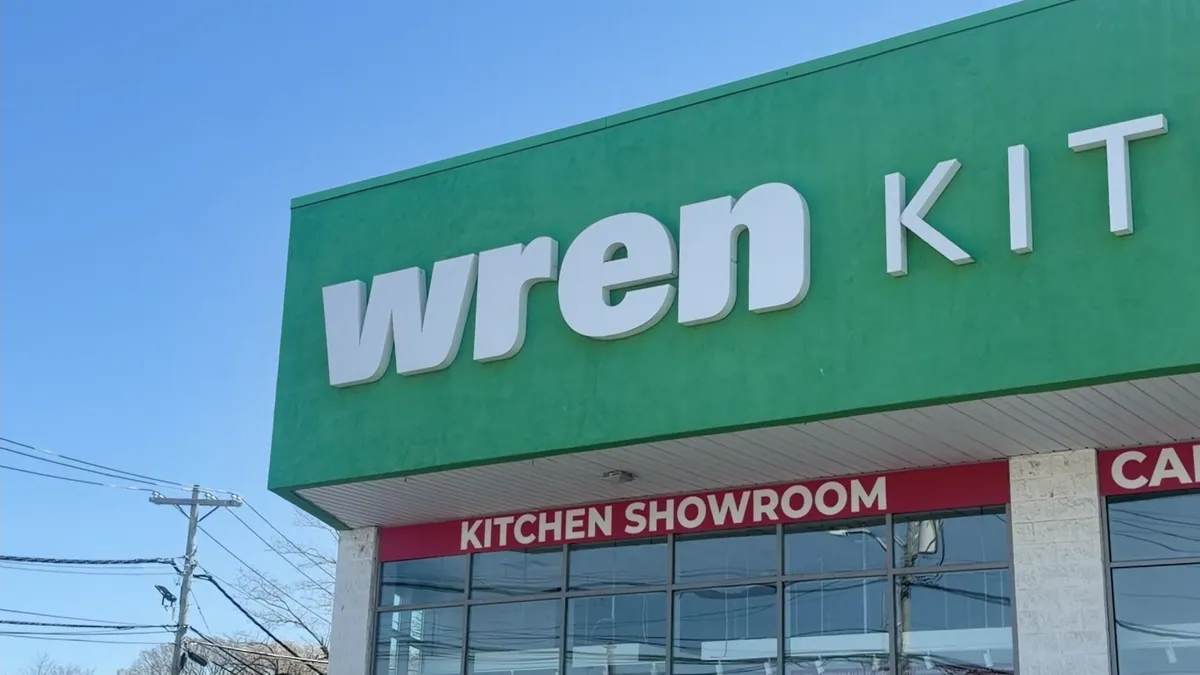
Wren Kitchens’ abrupt closure leaves customers with unfinished renovations and significant financial losses, raising concerns about the company’s bankruptcy process. On April 27, 2026, Wren Kitchens filed for Chapter 7 bankruptcy liquidation. This move came as a shock to many, particularly since the company had operated 15 retail stores across four states.
Prior to this filing, Wren had launched a strategic partnership with Home Depot in 2024. This collaboration aimed to enhance their market presence. However, on the day of the filing, Wren closed all its U.S. locations without warning—an act that has left customers bewildered and frustrated.
Many customers reported having renovation projects left unfinished due to this sudden shutdown. Perry Ragusa was one such individual; he stated, “No warning from them. Just out of nowhere closed up and left this kitchen like this.” His situation is not unique; reports indicate that losses could total thousands of dollars for affected consumers.
The financial implications are staggering. Wren Kitchens reported assets and liabilities between $100 million and $500 million, but the uncertainty surrounding recovery remains. How will customers reclaim their funds? For instance, Melissa Dethlefsen is owed $23,000 by the company—money she may never see again.
Adding to the turmoil, a class action lawsuit has been filed against Wren for violating the WARN Act, which mandates advance notice for mass layoffs. Yet, Home Depot claimed it had no prior knowledge of Wren’s intent to close its doors. Their spokesperson stated they are actively evaluating how this situation affects Wren’s customers.
The first creditors meeting is scheduled for May 20, 2026. Customers are left wondering what will unfold during this meeting and how it will impact their claims. Anes Hodzic noted that “no one got any pink slips,” highlighting the abruptness of the closure.
This sequence of events matters because it raises significant questions about consumer protection in retail sectors facing financial distress. With so many affected by Wren’s sudden exit from the market, authorities like the New York State Attorney General’s Office and Connecticut Department of Consumer Protection may need to step in.
As customers navigate this challenging landscape, they face not just financial loss but also emotional distress over incomplete home projects. The fallout from Wren Kitchens’ Chapter 7 bankruptcy will likely be felt for some time—both by those directly affected and within the broader industry as similar situations arise.