
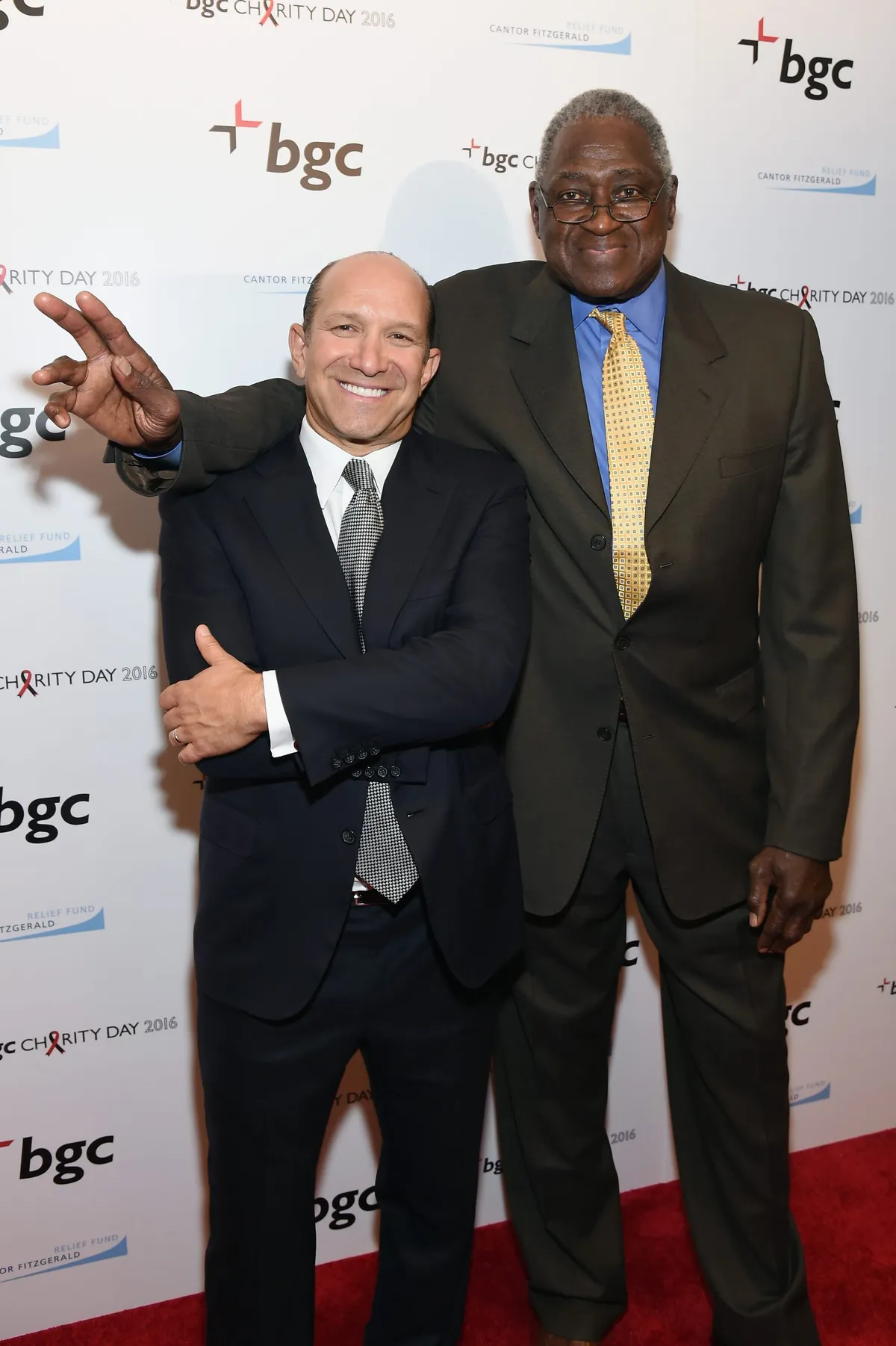
Howard Lutnick faces congressional scrutiny over his shifting accounts of his relationship with Jeffrey Epstein as he prepares to testify before the House Oversight Committee.
Previously, Lutnick maintained that he cut off contact with Epstein in 2005. This assertion seemed straightforward. However, recent revelations complicate that narrative significantly.
Emails released by the Department of Justice contradict Lutnick’s claims. They show that his last email communication with Epstein occurred in 2018. This timeline raises serious questions about the accuracy of his earlier statements.
That context matters because Lutnick’s proximity to Epstein has drawn attention from various political factions. His connections have led to calls for resignation from several Democrats, reflecting broader concerns about accountability in elite circles.
Moreover, Lutnick’s relationship with Epstein isn’t just a personal matter. It intertwines with larger issues surrounding the federal government’s handling of Epstein’s cases—an investigation that has implications for many influential figures.
Lutnick has publicly denied any wrongdoing, stating, “I have done nothing wrong and I want to set the record straight.” Yet, this statement clashes with evidence suggesting otherwise.
Additionally, Lutnick’s significant donations—over $65 million—to Haverford College complicate matters further. The college’s president, Wendy Raymond, rejected calls for a review of Lutnick’s name on the library despite these ties.
This juxtaposition highlights a broader societal issue: how institutions grapple with controversial figures among their benefactors. It raises an essential question: should past contributions shield individuals from scrutiny?
Lutnick described Epstein as a “disgusting person” following a 2005 visit but continued interactions suggest otherwise. The shifting narratives prompt experts to analyze the implications of such relationships on public trust.
The upcoming testimony may clarify some ambiguities but also risks opening new avenues of inquiry into not just Lutnick but also the broader network surrounding Epstein and Ghislaine Maxwell.
The stakes are high as Lutnick prepares to testify on May 6, 2026. His answers could reverberate beyond personal accountability, affecting perceptions of institutional integrity across various sectors.