
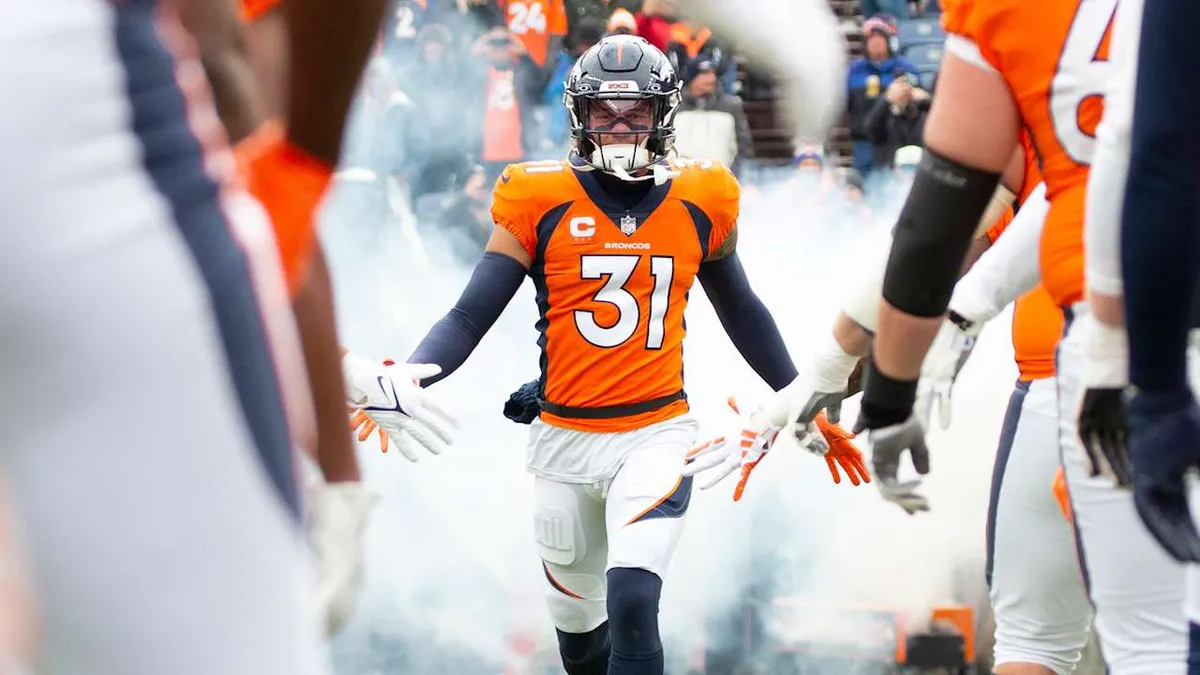
Justin Simmons announced his retirement from the NFL on April 29, 2026, after nine seasons with the Denver Broncos. His career, which began when he was drafted in the third round of the 2016 NFL Draft, is filled with individual accolades yet marked by limited team success.
Before his retirement, expectations were high for Simmons. He joined a Broncos team fresh off a Super Bowl victory and quickly established himself as a key player. However, despite his personal achievements, including being a two-time Pro Bowl selection and earning second-team All-Pro honors four times, the team only experienced one winning season during his tenure.
What changed? In his final season, Simmons played for the Atlanta Falcons after being released by the Broncos. This marked a significant shift in his career trajectory. He recorded an impressive total of 32 career interceptions, with 30 made while playing for Denver. Yet, he expressed a deep connection to the Broncos, stating that being part of the team was more than just a job—it was his heart and home.
The direct effects of Simmons’ retirement are multifaceted. His absence will leave a void in the Broncos’ defense and leadership. Moreover, he was known for his durability—he did not miss a game from 2018 to 2021 and played over 3,200 consecutive snaps. This kind of consistency is hard to replace.
Experts highlight that while Simmons excelled individually—finishing his career with 666 tackles, 71 passes defended, and five forced fumbles—the lack of playoff appearances weighs heavily on him as a leader. As he noted, “There were a lot of positive things that happened individually, but I really hold and carry a lot of that weight as a team leader.”
Simmons also garnered recognition off the field; he was nominated for the Walter Payton Man of the Year Award three times and won the Darrent Williams Good Guy Award three times. His philanthropic efforts through the Justin Simmons Foundation further exemplify his commitment to giving back.
This contrast between personal achievement and collective struggle defines Simmons’ legacy. He desires to be remembered not just as a Bronco but as someone who gave everything to his team and city. “Denver literally shaped me into the man that I am,” he reflected.