
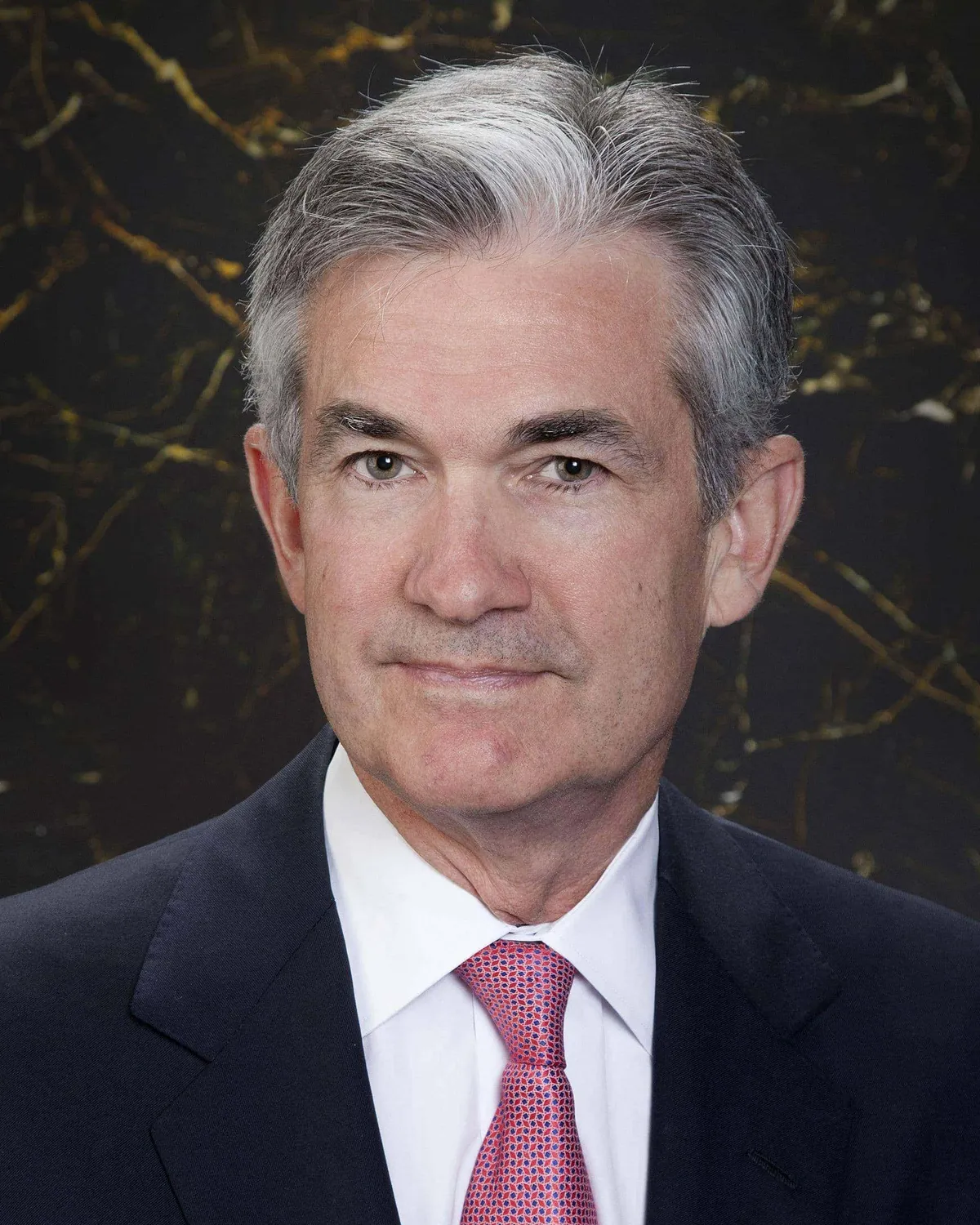
Jerome Powell’s potential departure from the Fed marks a significant shift in U.S. monetary policy leadership, with his last meeting as chair scheduled for April 29, 2026. His tenure has lasted over eight years, during which he navigated various economic challenges and maintained a delicate balance in interest rates.
Recently, President Trump nominated Kevin Warsh to replace Powell. This nomination comes after the Senate Banking Committee endorsed Warsh with a close vote of 13-11. The shift in leadership raises questions about the future direction of Federal Reserve policy and its independence.
Powell’s decision-making style has often been characterized by caution and deliberation. He made it clear that he would not be swayed by political pressures, stating, “I will make that decision based on what I think is best for the institution and for the people we serve.” This approach has been critical in maintaining economic stability.
Warsh, however, promises a different style. He has indicated that he would act independently and not take orders from the president—a crucial point considering the ongoing discussions about economic independence within the Federal Reserve.
This transition could have immediate effects on various stakeholders:
- The financial markets may react to perceived changes in interest rate policies.
- Investors are likely to adjust their strategies based on Warsh’s past statements and potential policies.
- The broader economy might feel shifts depending on how quickly new policies are implemented.
Experts suggest that this change could signal a new era for U.S. monetary policy. Historically, transitions at the Fed have led to adjustments in interest rates and overall economic strategy. Given that interest rates are expected to remain unchanged at Powell’s last meeting, many are curious about how Warsh will approach future rate decisions.
As this situation unfolds, all eyes will be on the Senate as they prepare for a confirmation vote for Warsh. The outcome of this vote will set the stage for how U.S. monetary policy evolves in response to current economic conditions.