
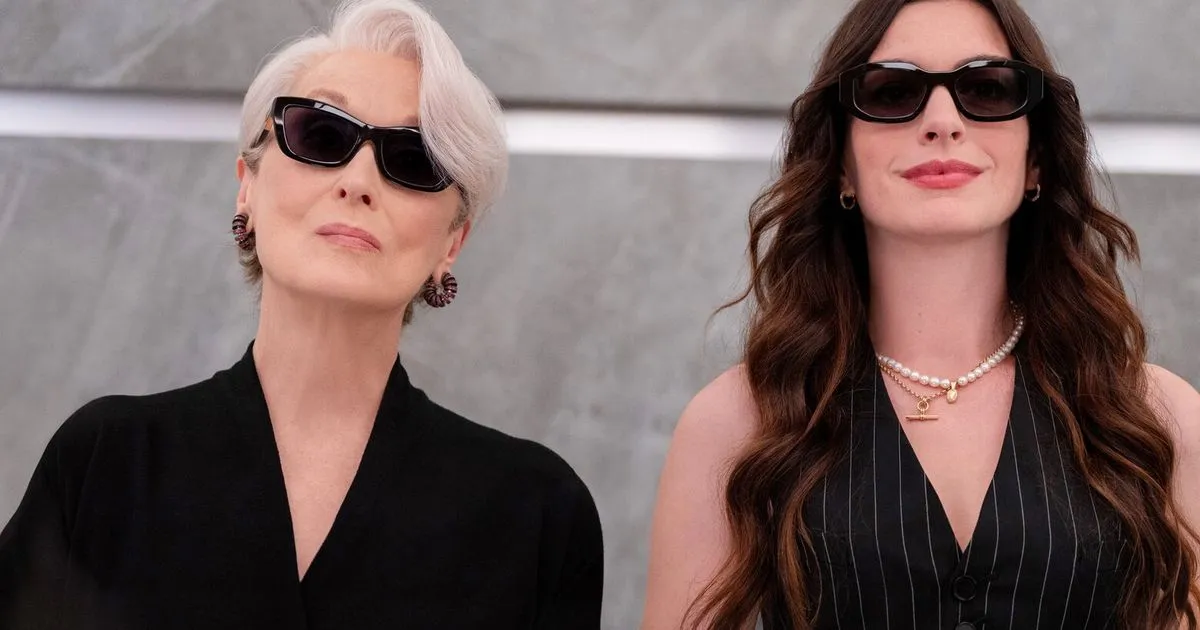
The upcoming The Devil Wears Prada 2, set for release on May 1, 2026, brings back beloved characters from the original film while critiquing the current state of legacy media. Meryl Streep reprises her iconic role as Miranda Priestly, and Anne Hathaway returns as Andy Sachs, creating a nostalgic atmosphere that many fans will cherish.
Before this sequel was announced, audiences had long speculated about the possibility of a follow-up. The original film, released in 2006, became a cultural phenomenon that shaped perceptions of the fashion industry. Yet, as years passed without news of a sequel, expectations faded.
Now, with the announcement of The Devil Wears Prada 2, things have changed dramatically. The film explores themes of legacy and the evolving landscape of journalism—a stark reflection of today’s media crisis. This shift is significant because it positions the narrative within a context that resonates with contemporary audiences.
As we dive into this sequel, we see direct effects on both characters and viewers alike. Miranda Priestly, now at age 70, navigates a world where her authority is challenged by new voices in journalism. Andy Sachs grapples with her own identity in an industry that seems increasingly out of touch.
The film has drawn mixed reactions from critics who argue it lacks the playful spark of its predecessor. Some describe it as a nostalgia-driven cash grab—an attempt to capitalize on fond memories rather than innovate. But does nostalgia inherently diminish value? Perhaps not; it can also serve as a lens through which we examine our current realities.
Expert opinions highlight that such legacy sequels often reflect societal anxieties. One critic noted, “The Devil Wears Prada 2 is a legacy sequel about how legacy means nothing nowadays.” This sentiment underscores how even cherished narratives must adapt to survive in changing times.
Moreover, new characters and cameos from the fashion world add layers to the story. They represent fresh perspectives amidst familiar faces, illustrating how the industry continues to evolve despite its storied past.
Throughout this sequel, Miranda’s sharp wit remains intact; her line questioning why the movie feels “so fla-at” resonates with audiences seeking depth beyond mere nostalgia. As she asserts her dominance in fashion—”Turns out, Miranda is not unique to fashion; she’s just better dressed”—the film challenges viewers to consider broader implications about authority and relevance.
Ultimately, The Devil Wears Prada 2 stands as both a reunion and a critique—a reflection on what it means to hold onto legacy in an era defined by rapid change. With its release date set for May 1, 2026, anticipation builds around how this narrative will unfold against the backdrop of today’s media landscape.