
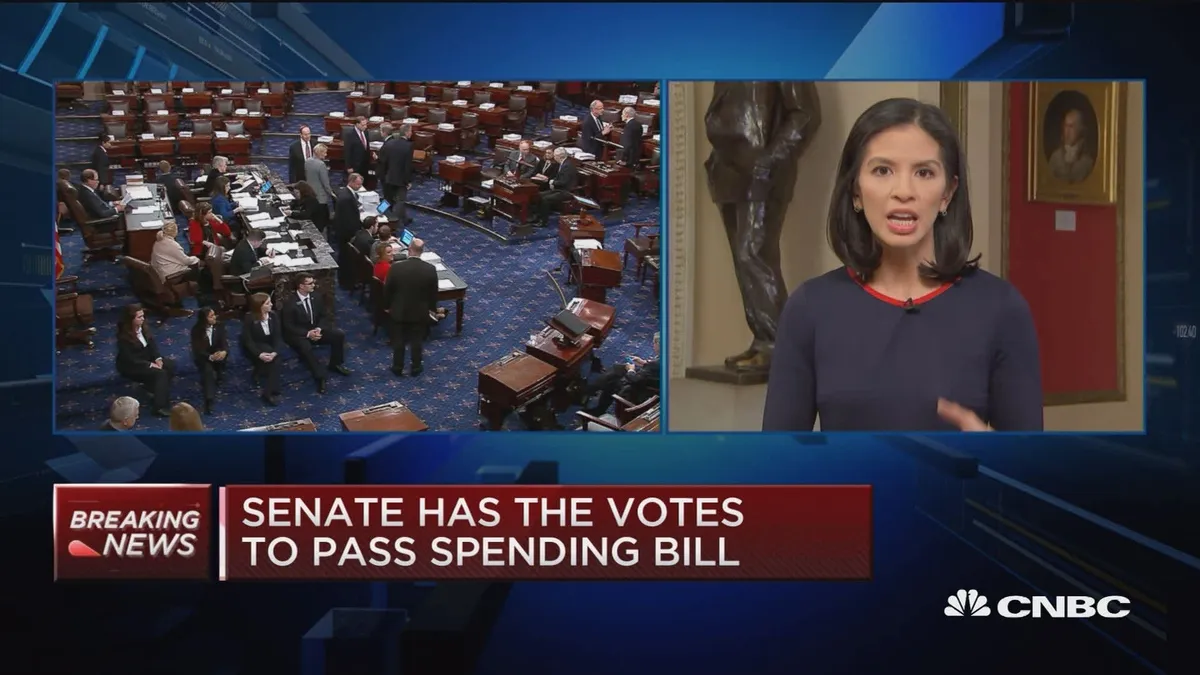
The shutdown ended with a bill that funds most of the Department of Homeland Security, marking the longest partial government shutdown in U.S. history. This situation began on February 14, 2026, when disagreements over ICE conduct triggered a standoff between Democrats and Republicans.
Initially, House Republicans rejected a Senate plan that excluded ICE and Border Patrol funding. However, as the crisis deepened—particularly affecting Coast Guard operations—pressure mounted for a resolution. The Coast Guard faced over $300 million in unpaid obligations and had overdue utility bills totaling $5.2 million. Thousands of personnel were struggling financially during this period.
On April 30, 2026, the House finally passed the funding bill, just before a 12-day break requested by the White House. House Speaker Mike Johnson emphasized that despite their historically small majority, they continue to deliver for the American people.
Key facts about the shutdown:
- The shutdown lasted for 76 days.
- The Coast Guard was operating in a crisis due to unpaid obligations.
- House Republicans initially rejected the Senate’s plan to fund DHS.
The situation was dire; Adm. Kevin Lunday stated, “The reality today is the Coast Guard is operating in a crisis.” He added that this was needlessly harming personnel and hollowing out readiness. The funding bill provides necessary resources for not only the Coast Guard but also critical operations under ICE and Border Patrol.
This sequence of events matters because it highlights ongoing tensions between parties regarding immigration enforcement and national security priorities. The Trump administration had previously approved $170 billion for immigration enforcement as part of its tax cuts bill, which set a precedent for current debates.
As Congress moves forward, officials have not confirmed any changes to ICE conduct despite the initial trigger for this standoff. The implications of this legislation will likely resonate through future discussions on federal funding and immigration policy.