
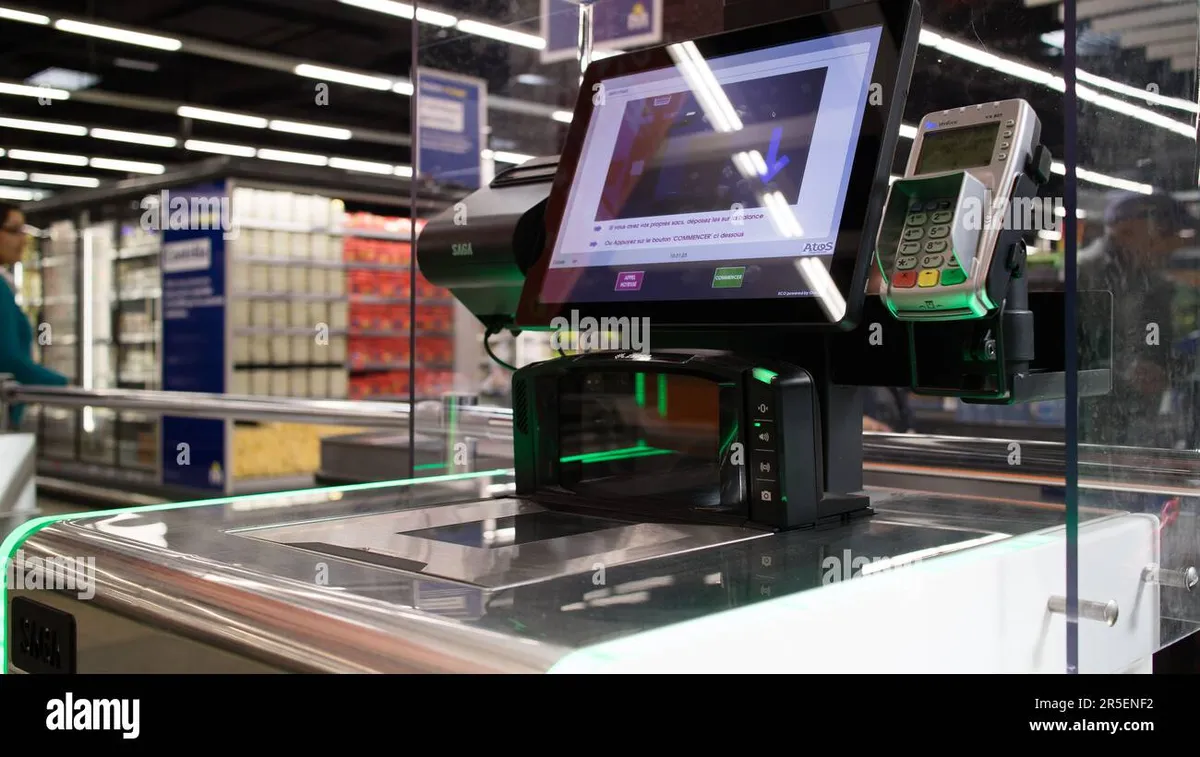
Major retailers like Walmart and Dollar General are scaling back their self-checkout systems due to rising theft and operational efficiency concerns. In a surprising move, Walmart is eliminating self-checkout machines in favor of traditional cashier lanes, while Dollar General has removed these systems from a staggering 12,000 stores this year.
This trend isn’t isolated. Sam’s Club announced it would phase out self-checkouts for AI-powered ‘scan and go’ technology, while Costco is testing hybrid systems. Retail experts emphasize that reinstating staffed lanes can significantly reduce theft and improve accuracy during transactions.
The context behind this shift is critical. A recent survey revealed that 69% of self-checkout users believe these machines make stealing easier. Furthermore, 27% admitted to intentionally not scanning items, while 36%61%
This situation has prompted lawmakers to consider legislation on self-checkouts. For instance, New York City Council member Amanda Farías introduced an amendment to impose a 15-item limit for self-checkout lanes. Such measures aim to balance the convenience of automation with the need for customer service and security. The implications are significant. Amanda Farías pointed out that removing workers from these spaces leads to increased retail theft and decreased safety for both employees and customers. Neil Saunders echoed this sentiment by noting that forcing more customers to use manned checkouts resolves many issues while also saving retailers money. The future of self-checkout appears uncertain as retailers navigate operational challenges alongside consumer preferences. As Walmart stated, these changes are guided by feedback from associates and customers—highlighting the importance of adapting to local shopping patterns. This trend reflects broader shifts in retail strategy as companies weigh the benefits of automation against rising theft rates. The next steps will likely involve continued adjustments in store layouts and checkout experiences as retailers seek to maintain efficiency without sacrificing security.