
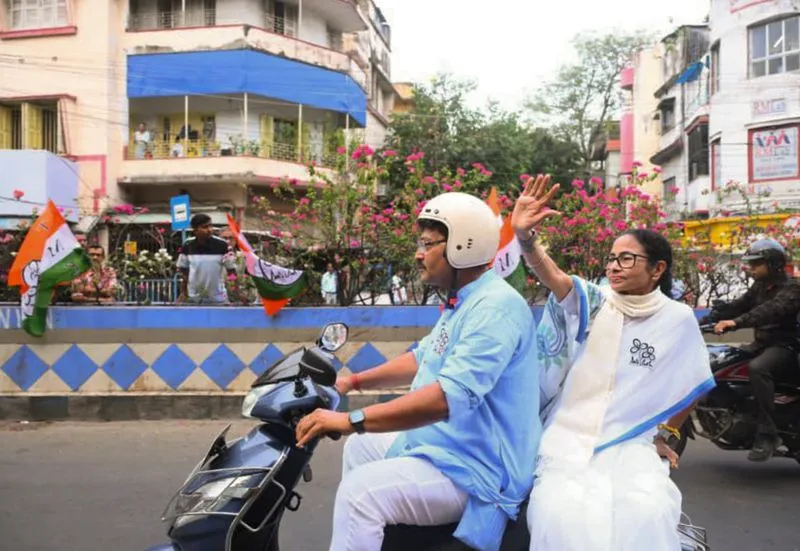
Mamata Banerjee, the Chief Minister of West Bengal, is engaged in a fierce electoral battle as she seeks a fourth consecutive term. Her campaign has transformed into a struggle for Bengali identity against perceived outsider threats from the BJP. This shift comes at a time when voter disenfranchisement has reached alarming levels, with significant portions of the electorate feeling marginalized.
Before this development, expectations leaned towards a continuation of Banerjee’s leadership, especially given her popularity and previous election victories. However, the political landscape changed dramatically when the BJP made substantial gains in the 2021 assembly elections, winning 77 seats—a stark contrast to their earlier performance. This decisive moment altered the dynamics of West Bengal politics.
As Banerjee campaigns vigorously—evidenced by her recent nine-kilometer march in South Kolkata—she emphasizes the importance of protecting Bengali identity. The BJP’s narrative of ‘insiders versus outsiders’ has pushed her to adopt a more nativist stance, appealing directly to voters’ sentiments about their cultural heritage.
That context matters because it highlights the direct effects on both parties involved. The TMC (Trinamool Congress) is now positioning itself as the guardian of Bengali culture, while the BJP aims to capitalize on anti-incumbency sentiments. The Special Intensive Revision (SIR) process has left over 27 lakh voters appealing to tribunals, creating an atmosphere of uncertainty and frustration among constituents.
Experts note that this disenfranchisement could significantly impact voter turnout and loyalty. According to recent statistics, nearly 90 lakh fewer names are on the electoral rolls compared to 2021—a staggering reduction that raises questions about representation in this crucial election cycle.
In her speeches, Banerjee has not shied away from blaming external forces for these issues. “The way in which they have made you stand in line due to the SIR [special intensive revision], this humiliation can be answered only through your vote,” she asserted passionately. This rhetoric resonates deeply with many who feel sidelined by bureaucratic changes.
The stakes are high for both parties as they navigate this charged atmosphere. With a record turnout percentage of 93.19% in the first phase of elections, it’s clear that West Bengal voters are engaged and ready to express their opinions at the polls. As Mamata Banerjee continues her campaign amidst these challenges, her ability to connect with voters on issues of identity and representation will be pivotal.