
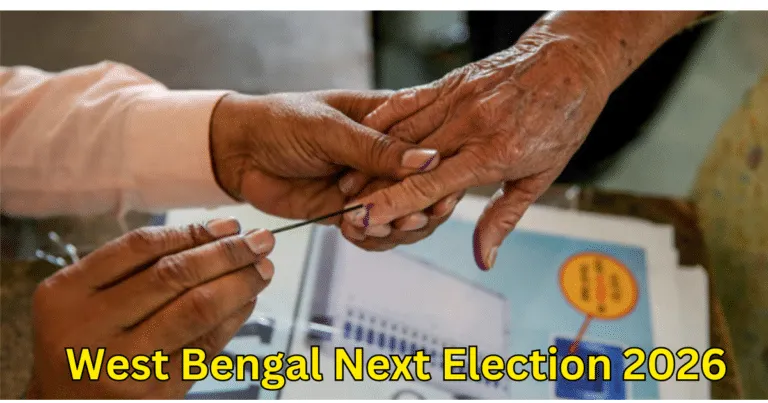
The BJP’s victory in West Bengal marks its first win in a state where it has historically struggled, signaling a major political shift in the region. In the recent elections held in April 2026, the BJP won or was leading in 200 out of 294 seats, while Mamata Banerjee’s Trinamool Congress (TMC) was leading or had won just 87 seats.
Before this election, expectations leaned heavily towards the TMC, which has maintained power since 2011. The party’s welfare schemes—aimed at various demographics—were believed to secure voter loyalty. However, this time, anti-incumbency sentiments began to surface among the electorate. Why did voters turn against a party that seemed so entrenched? A combination of factors, including dissatisfaction with local governance and rising Hindu-Muslim polarization, appears to have played a crucial role.
The decisive moment came as nearly 68.2 million people voted, achieving a record high voter turnout of about 92.93 percent. This surge indicates an engaged electorate eager for change. The BJP capitalized on this momentum by implementing robust ground-level organization and welfare-focused initiatives that resonated with many voters.
That context matters because it underscores how the BJP’s campaign strategies effectively addressed voter concerns, contrasting sharply with TMC’s established but perhaps stale approaches. As political analyst Rahul Verma noted, “There is visible support for Mamata and she remains popular, but there is anti-incumbency against the TMC machinery.” This sentiment likely contributed to the shift.
The implications of this election are significant for both parties involved. For the TMC, losing over 100 seats compared to its previous performance signals a need for introspection and potential restructuring within its ranks. Meanwhile, the BJP now faces heightened expectations from its supporters who seek tangible results after such a historic victory.
Experts suggest that this shift could redefine West Bengal’s political landscape moving forward. Praveen Rai pointed out that “the party system had turned hostile towards the people who did not subscribe to their ideology,” indicating an ongoing challenge for the TMC as it attempts to regain lost ground.
As the dust settles on this election, one thing is clear: the BJP’s win is seen as a significant political shift in West Bengal. This may lead to further polarization and changes in voter behavior as parties recalibrate their strategies to address an evolving electorate.
In light of these developments, Suvendu Adhikari expressed gratitude towards voters by stating, “I want to thank every Hindu Sanatani who cast their votes in favour of the BJP.” Such remarks emphasize how identity politics may continue to influence future elections.