
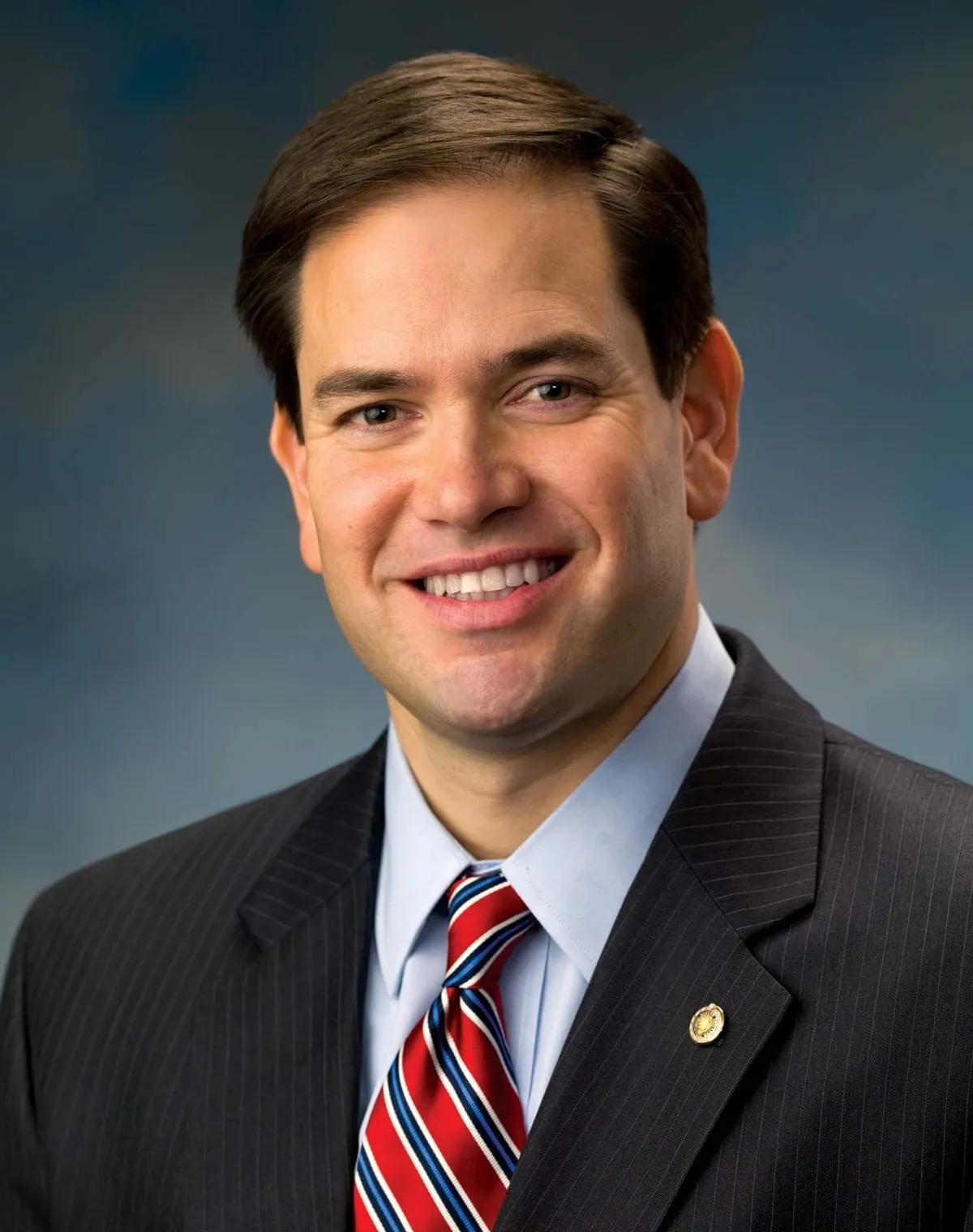
“I think most people cannot understand why anyone would think that it’s a good idea for Iran to ever have a nuclear weapon,” said Marco Rubio, the U.S. Secretary of State, ahead of his private audience with Pope Leo on May 7, 2026. This meeting occurs against a backdrop of escalating tensions between the Trump administration and the Vatican over foreign policy issues.
Rubio’s comments reflect a broader concern about Iran’s nuclear ambitions, an issue that has strained U.S.-Vatican relations. Recently, President Trump publicly attacked Pope Leo, accusing him of supporting Iran’s nuclear capabilities. In response, Cardinal Pietro Parolin stated, “We understand that not everyone is on the same page; but let’s say that this is the pope’s response.” This exchange underscores the complex dynamics at play.
The context of Rubio’s visit is significant. He aims to advance bilateral relations with the Vatican and Italy while addressing pressing global challenges. Notably, he plans to discuss Middle East policy during his visit—an area where both parties have expressed divergent views.
That context matters because it highlights how foreign policy can influence religious diplomacy. The church’s mission, as Pope Leo articulated, is “to preach the Gospel and peace.” Yet, this mission is tested when geopolitical tensions arise.
Moreover, domestic issues like rising gas prices complicate matters further. Average fuel prices in the U.S. have surged to $4.48 per gallon—up from just under $3.17 a year ago. Rubio noted that while some predict even higher prices, he believes the U.S. is fortunate as a net exporter of oil.
As Rubio prepares for this significant meeting, he emphasizes that opposing Iran’s pursuit of nuclear weapons aligns with both U.S. interests and those of the Vatican. The outcome of this meeting could signal shifts in how these two entities navigate their respective roles on the global stage.
The world watches closely as Rubio steps into this pivotal role—his discussions may redefine future interactions between U.S. foreign policy and Vatican diplomacy.