
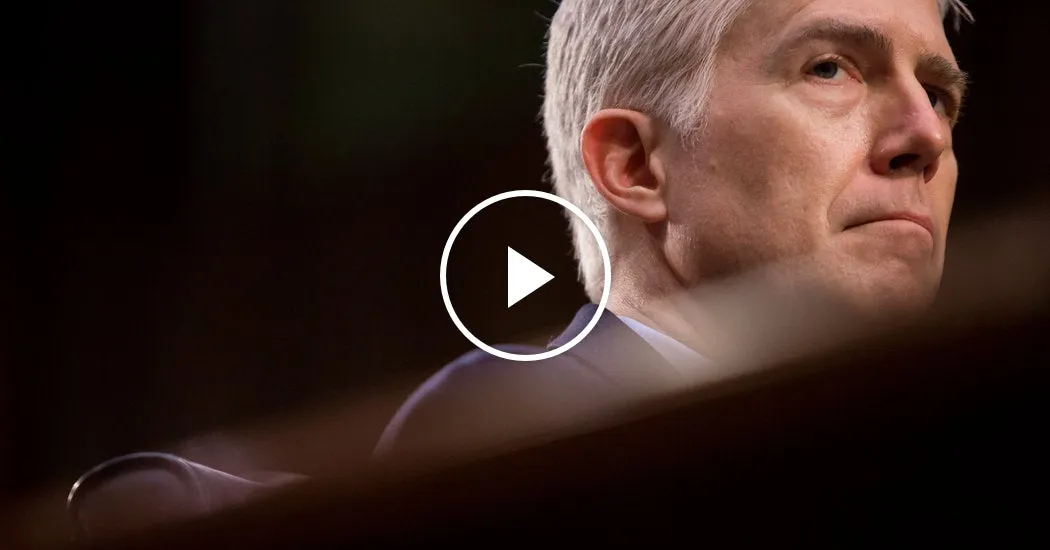
Justice Neil Gorsuch recently made headlines by asserting that his loyalty lies solely with the Constitution, a statement that directly counters former President Trump’s claims about judicial loyalty to appointees. This declaration comes amid ongoing criticism from Trump regarding some Supreme Court rulings that have not aligned with his administration’s agenda.
Gorsuch joined the Supreme Court in 2017 after being appointed by Trump. However, he has publicly rebuffed Trump’s suggestion that justices owe loyalty to the president who appointed them. Instead, Gorsuch emphasized that federal judges have life tenure specifically to apply the law fairly and without bias.
This context matters because it highlights a fundamental principle of judicial independence. Gorsuch stated, “My loyalty is to the Constitution, the laws of the United States,” reinforcing that judges must prioritize constitutional law over political allegiance.
Trump’s criticism has included remarks aimed at both Gorsuch and Justice Amy Coney Barrett, particularly after they voted against him in key Supreme Court rulings. The former president has indicated he believes the Supreme Court will invalidate his executive order on birthright citizenship, further complicating the relationship between Trump and his appointees.
In response to advocates for judicial reform, Gorsuch advised them to understand the history of the Supreme Court before making changes. He noted, “Make sure you know what you’re reforming before you tinker with it,” suggesting that historical context is crucial when discussing potential reforms.
Gorsuch also reflected on the structure of the federal judiciary as laid out in the Constitution. He believes it works well as is, stating that “you’ve given nine old people life tenure”—a reference to how justices are meant to operate independently of political pressures.
The ongoing dialogue around judicial independence and constitutional fidelity remains critical as society grapples with issues that reach the highest court. Observers note that this tension between political expectations and judicial responsibilities will likely continue shaping discussions about the role of the Supreme Court in American governance.