
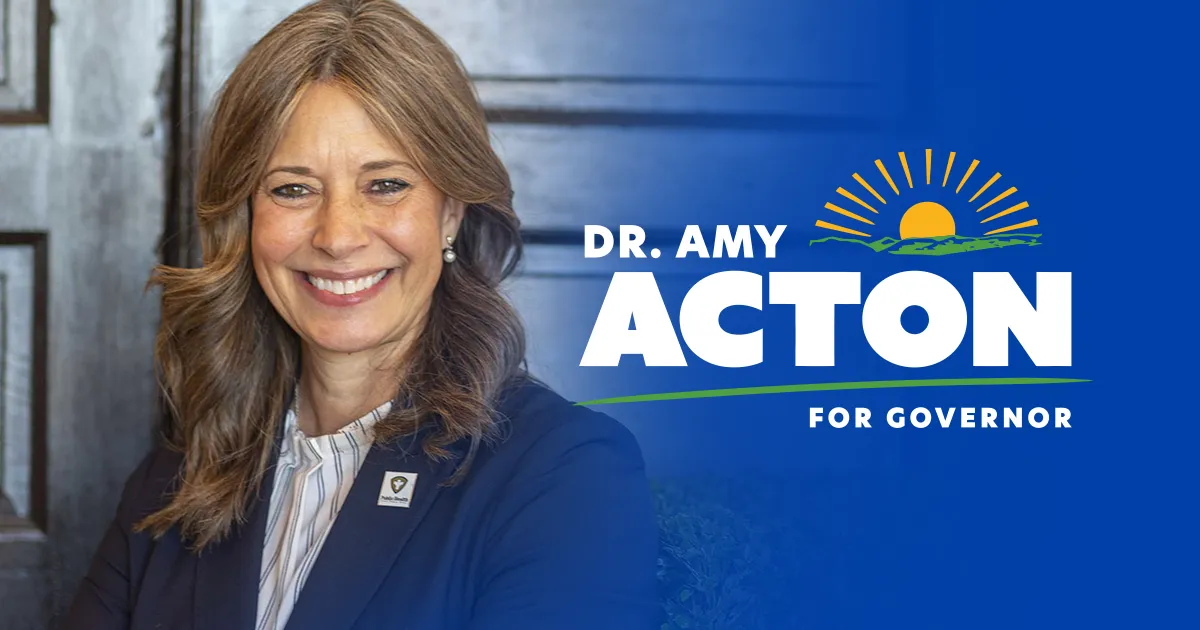
Amy Acton and Vivek Ramaswamy, both political newcomers, will face off in a highly anticipated gubernatorial election in Ohio on November 1, 2026. This election is especially significant as it marks the first time since 2011 that Ohio will have a Democratic nominee for governor.
Acton became a household name as the Ohio health director during the COVID-19 pandemic. She has raised over $10 million for her campaign and is running with David Pepper as her lieutenant governor running mate. In contrast, Ramaswamy has spent a staggering $25 million on campaign ads, even taking a personal loan of the same amount to fund his campaign.
That context matters because Acton and Ramaswamy represent differing approaches to governance and public policy. Acton describes herself as a “scrappy kid from Youngstown” who aims to address the struggles faced by everyday Ohioans. She stated, “I am running for governor because people in this state are struggling.” Meanwhile, Ramaswamy has received endorsements from prominent figures like President Donald Trump and has claimed that Acton “villainizes success.”
Key reactions have already emerged from both camps. Ramaswamy emphasized the stark differences between the two candidates, saying, “There has never been a greater contrast between two candidates.” Observers note that this election could reshape Ohio’s political landscape significantly.
The stakes are high for both candidates. The last Democrat to serve as Ohio Governor was Ted Strickland, who left office in 2011. This makes Acton’s candidacy particularly historic. As she campaigns, she promises that “no one will ever be invisible to me,” indicating her focus on inclusivity and community engagement.
Looking ahead, analysts predict intense campaigning as both candidates seek to solidify their bases while appealing to undecided voters. With Ramaswamy facing a primary challenge from Casey Putsch and Acton being unopposed in her primary, the dynamics of this race could shift quickly.
As November approaches, both candidates will likely ramp up their political fundraising efforts and outreach strategies to sway voters in their favor. The outcome could very well define not just the future of Ohio but also set precedents for future elections across the nation.