
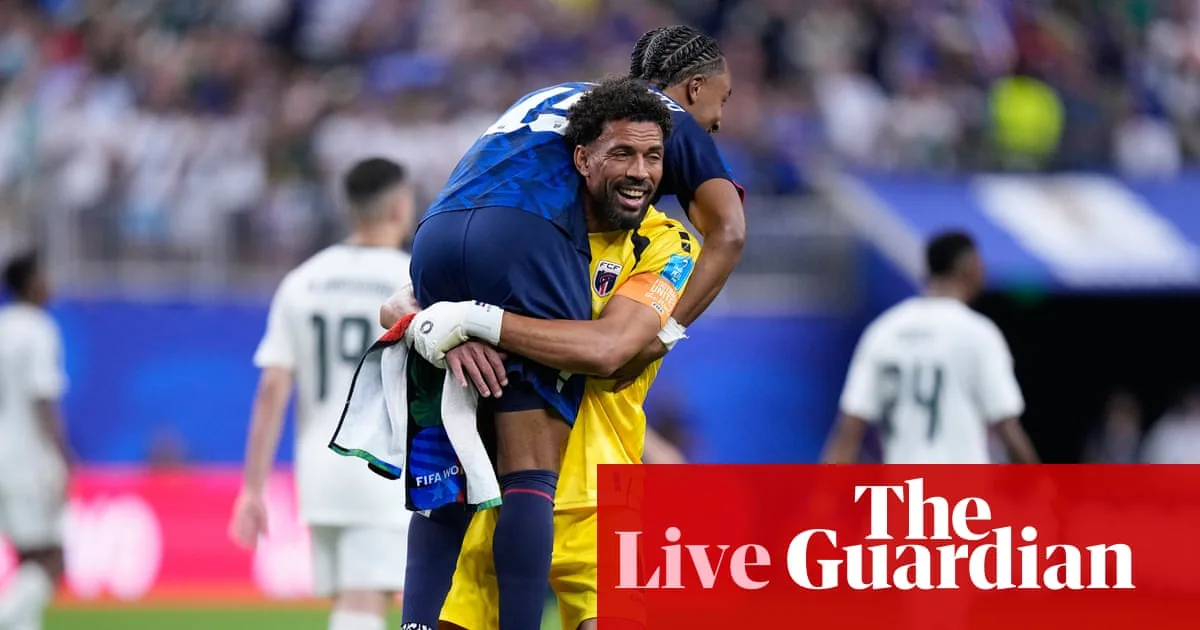
Historic World Cup Debut
Cape Verde has achieved a significant milestone by becoming the smallest nation to reach the knockout stage of the World Cup. The team, representing a group of 10 islands in the Atlantic Ocean, secured their spot in the last 32 after drawing against Saudi Arabia and observing the outcome of Spain’s match against Uruguay. This result confirmed Cape Verde as runners-up in Group H.
The qualification sparked emotional scenes, with players and coach Bubista huddling around a mobile phone on the pitch to watch the final moments of Spain’s victory. Commentator Rob Law described the moment in Houston, noting the tears of pride and joy that flowed among both players and fans. This achievement follows an impressive goalless draw in their opening game against Spain, where 40-year-old goalkeeper Vozinha was a key performer, and a 2-2 draw with two-time World Cup winners Uruguay.
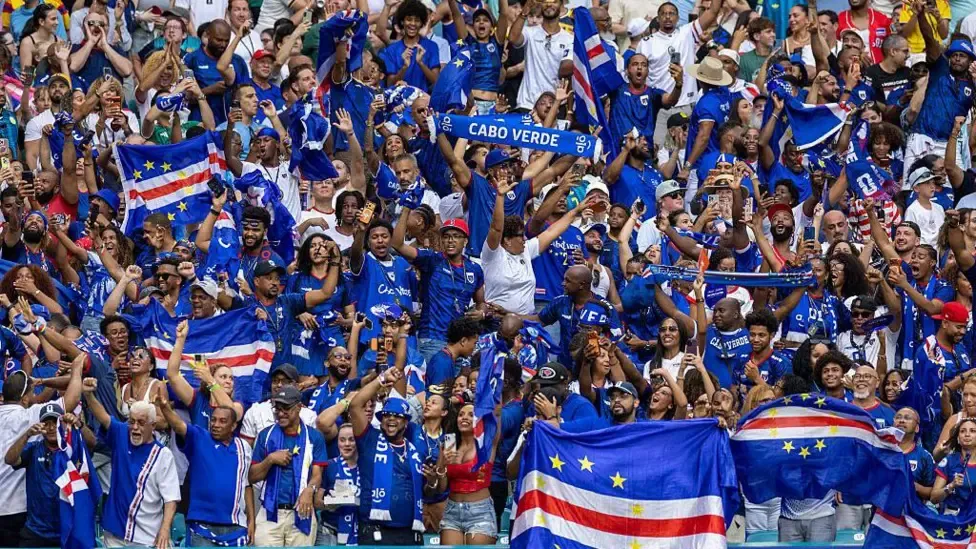
Former World Cup winner Juan Mata commented on Cape Verde’s consistent high-level performance across three games. The nation, with approximately 525,000 inhabitants, qualified for the tournament ahead of five-time African champions Cameroon.
The Diaspora Factor and Coaching Stability
A significant factor in the Blue Sharks’ success is the Cape Verdean Football Federation’s (FCF) strategy of recruiting players from the country’s diaspora. Historical emigration, particularly to Portugal due to severe droughts and a strong seafaring tradition, has led to a notable population with Cape Verdean roots in places like Rotterdam. Of the 26-man World Cup squad, 14 players were born abroad, with six originating from the Dutch port city.
One such player, forward Dailon Livramento, who played for Casa Pia in Portugal’s Primeira Liga last season, scored the crucial goal in their qualifying win over Cameroon. Josina Freitas Fortes, a member of Cape Verde’s parliament, highlighted the FCF’s progress, attributing it to passion, commitment, and a clear technical plan developed over years of consistent effort and strong belief.
The recruitment of Dublin-born center-back Roberto Lopes in 2019, facilitated through a business networking website, is another example of this strategy. Lopes expressed the team’s inner confidence, stating their belief in being capable of competing with the world’s best football nations, a goal that has been part of an ongoing plan.
The stability provided by coach Bubista, a former international who took charge in January 2020, has also been crucial. The 56-year-old former center-back has cultivated a compact and well-drilled team known for its organized defense, technical midfielders, and gifted forwards. This approach led to strong performances in the 2023 Africa Cup of Nations (Afcon), where they reached the quarter-finals, having made their tournament debut only 10 years prior.
Defender Sidny Lopes Cabral emphasized the team’s unity and consistent playing style, describing it as their identity. Bubista was recognized for his achievement in securing World Cup qualification by being named the continent’s coach of the year for 2025 by the Confederation of African Football. He had previously expressed his belief in the team’s potential to reach the World Cup, a prediction that has now materialized.
Looking Ahead to the Knockouts
Cape Verde’s reward for their historic progression is a match against Lionel Messi’s Argentina in the last 32. The game is scheduled to take place in Miami on Friday. Midfielder Deroy Duarte, who was named man of the match against Saudi Arabia, described the experience as dream-like and encouraged belief in their chances against Argentina.
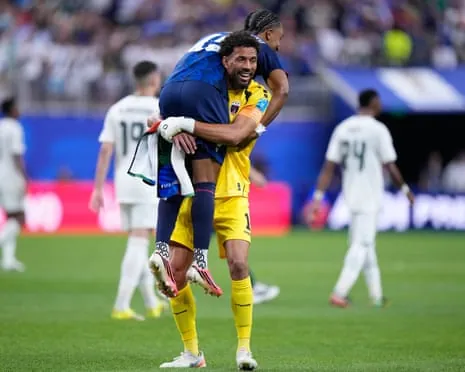
Former football managers Ange Postecoglou and Gary Neville both commented on the significance of Cape Verde’s story for the World Cup. Postecoglou highlighted how it exemplifies football’s global reach, while Neville suggested that it might lead those who doubted the expanded World Cup format to reconsider their views, especially given a nation of 500,000 people reaching the knockout phase.
Source: bbc.com