
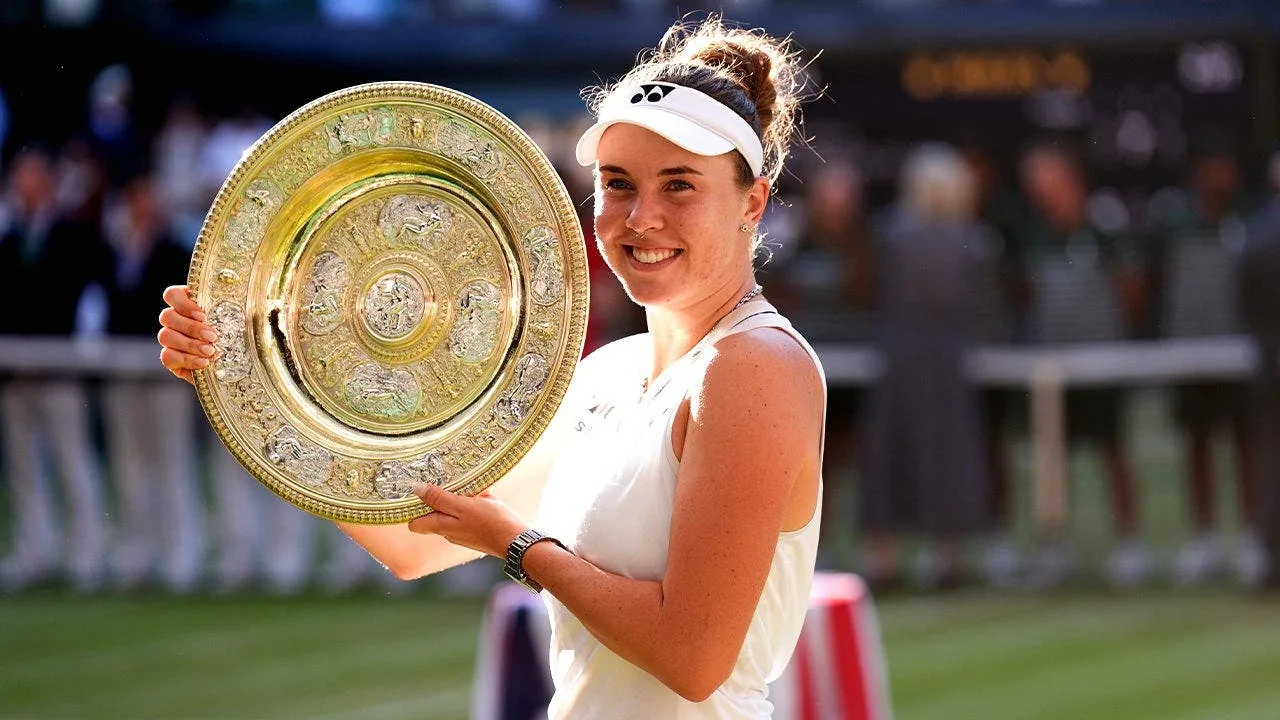
Linda Nosková, the No. 9 seed, claimed her first Grand Slam singles title at Wimbledon, defeating Karolína Muchová, the No. 10 seed, in an all-Czech final. The match, held on Centre Court, concluded with a score of 6-2, 5-7, 6-3. Nosková, at 21 years old, is the youngest Wimbledon women’s champion since Petra Kvitová in 2011.
The final was marked by shifts in momentum, with Nosková initially dominating through her serve and return game. She demonstrated an ability to manage pressure and combine power with touch. However, she faced a significant challenge in the second set, losing five championship points before ultimately securing the victory in the third set.
Nosková’s early dominance and strategic play
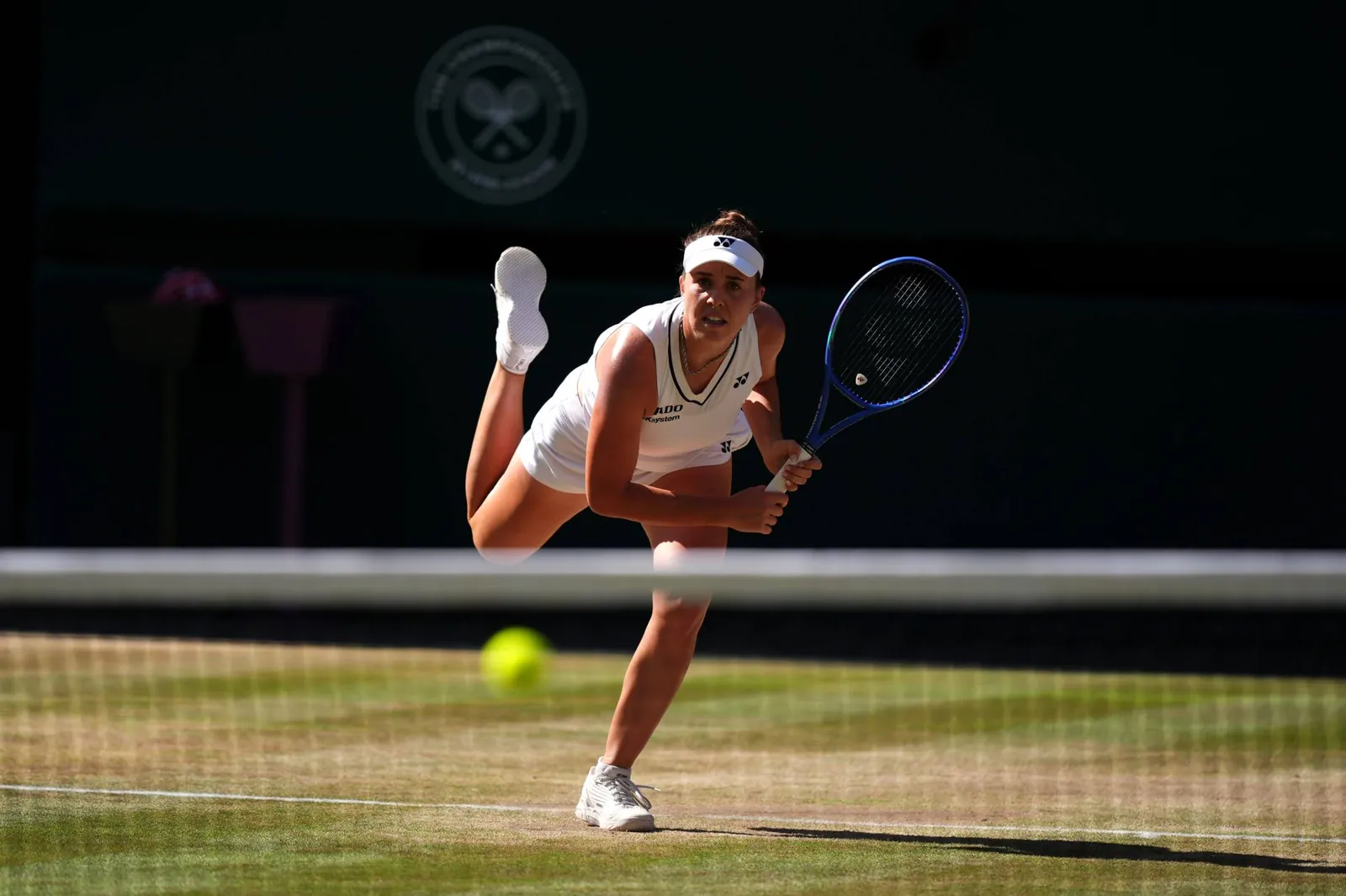
Nosková established her authority early in the match, particularly in the first set. Her serve was effective, preventing Muchová from finding a rhythm, and her returns were powerful. In one instance, Nosková held serve to love, with Muchová unable to return a single shot into play. Following this, Nosková broke Muchová’s serve with a backhand winner down the line, after drawing three missed forehands from her opponent.
Despite Muchová’s high first-serve percentage in the first set, only a small fraction of her serves went unreturned, compared to Nosková’s higher rate. This allowed Nosková to maintain control, and her secure serving influenced the rest of her game. She broke Muchová again in the final game of the first set, hitting return winners from both wings to take it 6-2.
Nosková’s strategy also involved targeting Muchová’s forehand side, a tactic previously employed by Coco Gauff. This approach proved fruitful, as Muchová recorded nine forehand errors in the first set. Nosková’s powerful forehand contrasted with Muchová’s less stable performance, especially under pressure. One notable moment saw Muchová leave a forehand shot short, which Nosková capitalized on, preventing Muchová from gaining scoreboard pressure.
Beyond power, Nosková showcased variety in her play. Known for her strong serve and groundstrokes, she also demonstrated touch, such as a crosscourt drop shot in the first game that Muchová could not reach. This blend of power and finesse was evident throughout the match, with Nosková incorporating various shots beyond her core forehands and backhands.
Second set comeback and emotional moments
The match took a dramatic turn as Nosková approached victory. While serving for the match for the first time, she struggled with nerves, leading to a series of double faults and wild forehands. Her variety of shots decreased, and Muchová, in a desperate effort, elevated her game. Muchová saved three championship points in the seventh game of the second set, making smart decisions that forced Nosková into difficult shots.
When Nosková served again at 5-3, the pressure intensified. She alternated between aces and double faults, and her forehand, typically a strength, faltered. Muchová saved another championship point in that game and then broke Nosková’s serve to make it 5-4. Muchová then held her serve, bringing the score to 5-5. During this period, Nosková was seen holding her fingers to her ears, seemingly trying to block out the noise and calm herself. Muchová’s resurgence saw her win five consecutive games, ultimately taking the second set.
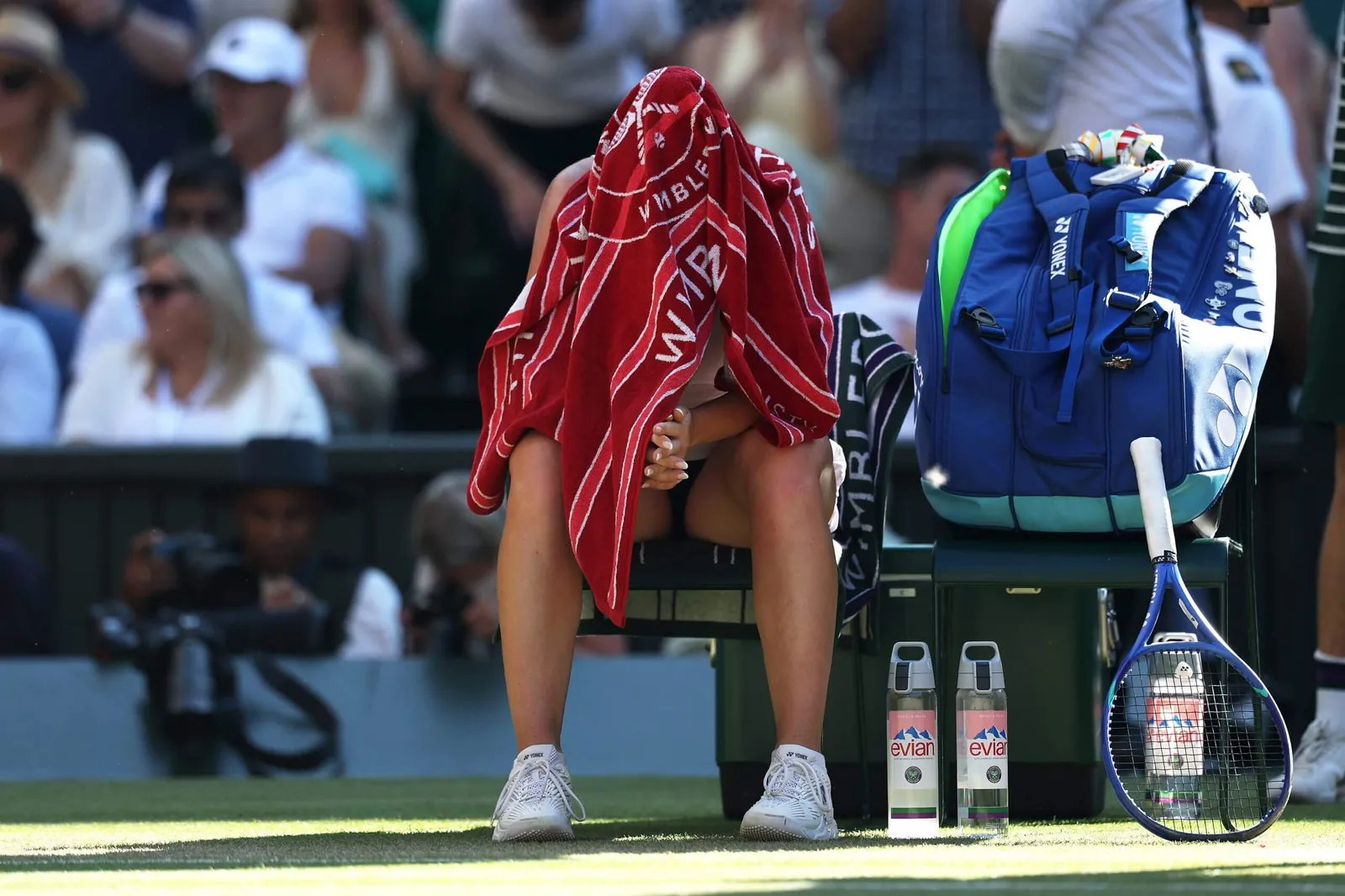
Following the tough loss in the second set, Nosková briefly left the court to regroup before the deciding third set. The early stages of the third set were anticipated to be tense, given the dramatic shift in momentum.
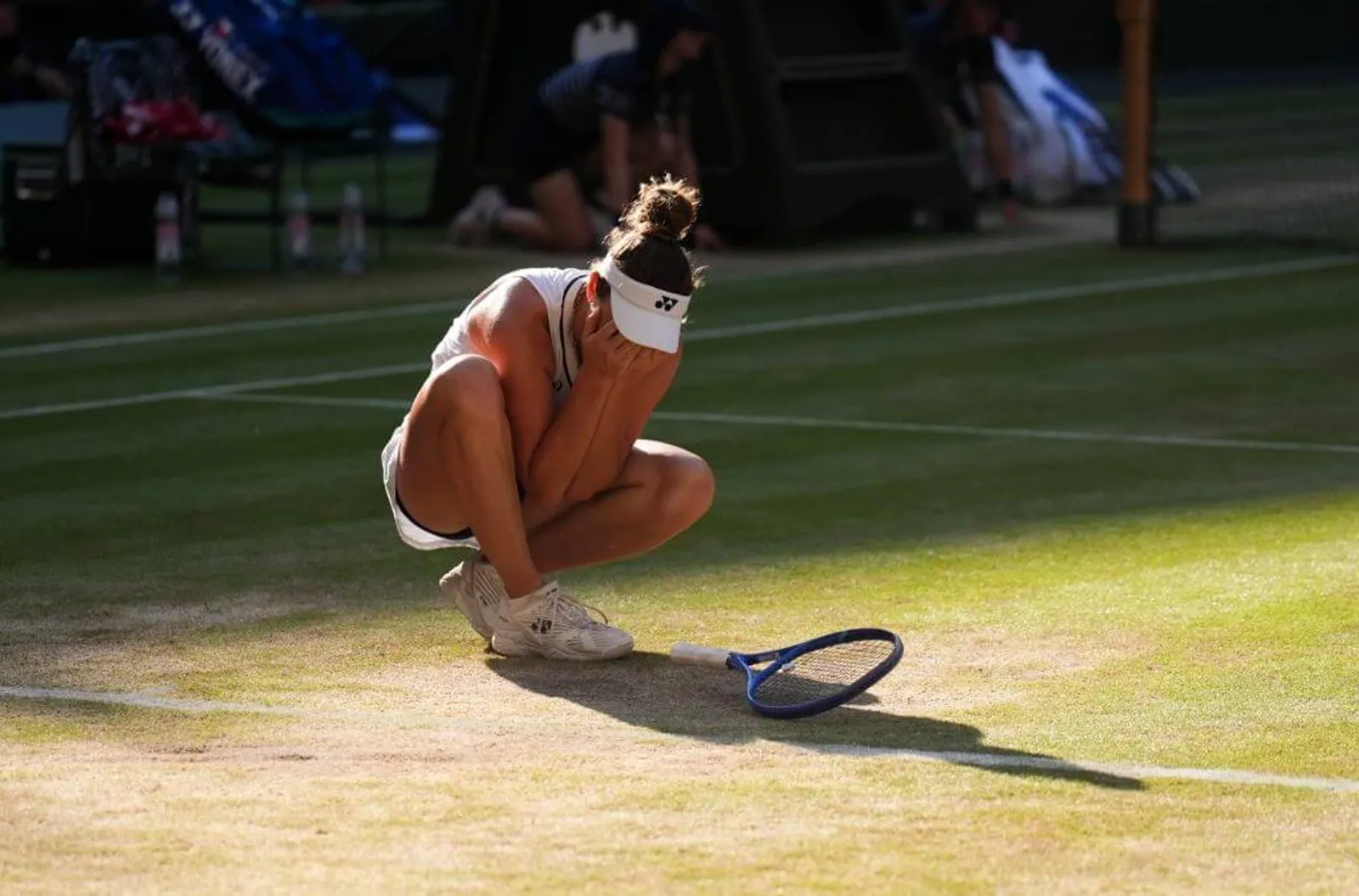
After the match, Muchová, despite the loss, shared a lighthearted moment during her post-match interview, jokingly referring to Nosková as her “ex-friend.” Nosková, in turn, delivered an emotional tribute to her late mother, thanking her for her support and stating she would not have achieved her success without her.
Looking ahead
With the women’s final concluded, attention now shifts to the men’s final, which is scheduled for Sunday morning. This match will feature Jannik Sinner of Italy against Alexander Zverev of Germany. Sinner will be aiming for his second consecutive Wimbledon title and his fifth Grand Slam overall, while Zverev seeks his second career Grand Slam win, having previously won the French Open earlier this year.
Source: nytimes.com