
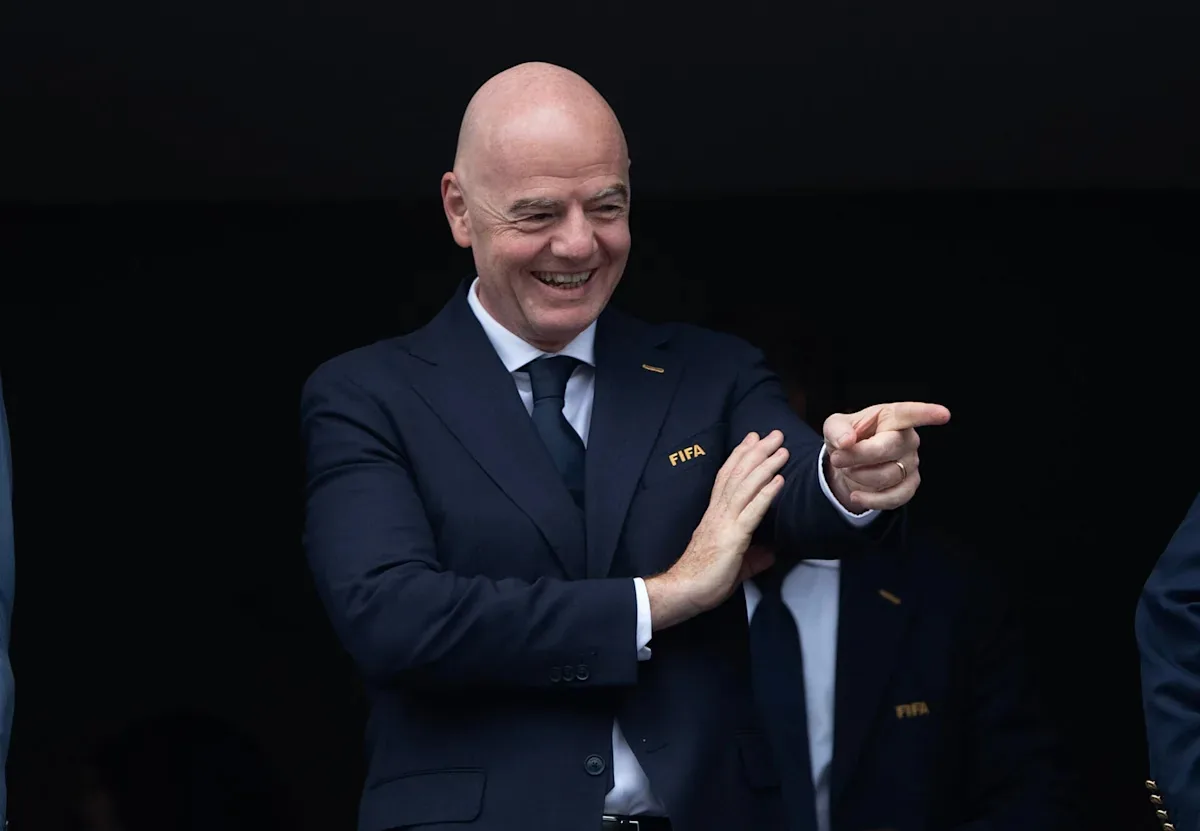
FIFA will consider expanding the World Cup to include 64 nations for the 2030 tournament, according to comments from Gianni Infantino, the president of world football’s governing body. This potential expansion would add another 16 teams to the current 48-team format, which was implemented for the 2026 finals.
The 2026 World Cup, co-hosted by the United States, Canada, and Mexico, marked an increase from the 32-nation format used between 1998 and 2022. Infantino stated that discussions regarding a further expansion would occur in relevant committees following the conclusion of this summer’s tournament.
Infantino emphasized that the tournament is intended for a global audience, not solely Europe and South America. He believes that every nation should have the aspiration to participate in the World Cup, noting the high and continuously improving quality of teams worldwide. He also suggested that denying smaller countries the chance to participate would reduce their motivation for improvement.
The 2030 tournament is planned to be hosted across six nations and three continents. Uruguay, Argentina, and Paraguay are scheduled to host one match each at the beginning of the competition. The remaining 101 games for a 48-team tournament would be divided among Morocco, Portugal, and Spain.
In September 2025, FIFA held discussions about expanding the tournament again for 2030 after receiving a formal proposal from influential South American leaders. The idea of a 64-team tournament was first brought up by Uruguayan football official Ignacio Alonso at a FIFA Council meeting in March 2025. Later, in November 2025, Alejandro Dominguez, president of CONMEBOL and a FIFA vice-president, described a 64-team tournament in 2030 as his “dream,” suggesting it would “unite the world, just once.”
Infantino has previously described the expansion to 48 teams as a success. He noted that teams from every continent scored goals and earned at least one point, with nine out of ten African teams reaching the knockout stage. He highlighted that the previous World Cup only featured five teams from Africa, underscoring the importance of including more teams and providing them with participation opportunities.
However, the concept of further expansion has met with opposition. UEFA president Aleksander Ceferin dismissed the proposal as a “bad idea” in April, expressing concerns that it could harm both the tournament itself and Europe’s qualifying competition. CONCACAF president Victor Montagliani echoed similar sentiments, calling it “not a great idea.”
A 64-team tournament could potentially dilute the significance of many regional qualification processes. For instance, six of the ten CONMEBOL nations already automatically qualify for a 48-team finals, with an additional play-off spot available. If the tournament were to expand, Uruguay, Argentina, and Paraguay could potentially host an entire group each, rather than just a single match.
Hosting matches for the 2030 tournament would prevent South America from hosting duties again until at least 2042, as FIFA’s stipulations dictate that a continent can only stage the World Cup once every three editions. This would mean South America would be the primary host for only one World Cup over a 64-year period, specifically the 2014 tournament in Brazil.
Infantino confirmed that discussions around the proposed format would take place after this summer’s tournament.
Source: nytimes.com