
Introduction
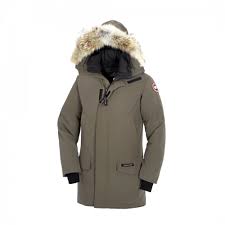
Canada Goose, a prominent name in the outerwear industry, has become synonymous with luxury and warmth, especially known for its iconic parkas. Founded in 1957, this Canadian brand offers high-quality outerwear designed for some of the coldest climates in the world. As climate change continues to threaten ecosystems and weather patterns, understanding the relevance and influence of Canada Goose is important for consumers and the environment alike.
The Rise of Canada Goose
Originating in Toronto, Canada Goose was initially focused on producing outerwear for harsh Canadian winters. Over the years, as the demand for high-performance clothing grew, the brand expanded its offerings to include garments suited for extreme weather conditions worldwide. Its jackets, made from premium materials such as down insulation and durable fabrics, appeal to outdoor enthusiasts and fashion-conscious consumers alike.
As of 2023, Canada Goose has achieved significant global recognition, expanding its market reach and opening stores in major cities across the world, including New York, London, and Tokyo. The balance between functionality and style in its product line has been a key factor in its growing popularity, making Canada Goose a staple in both urban and wilderness fashion.
Social and Environmental Responsibility
In recent years, Canada Goose has faced scrutiny regarding its sourcing practices, particularly concerning the use of animal products in its jackets and parkas. In response to growing consumer demand for ethical fashion, the company has made commitments to improve transparency in its supply chain. They have announced initiatives aimed at reducing carbon emissions and increasing the use of sustainable materials.
The 2023 launch of the Canada Goose ‘forever’ collection, which features products made from recycled materials, highlights the company’s shift towards sustainability. Additionally, Canada Goose has pledged to stop using fur by 2022, demonstrating a commitment to ethical fashion and animal welfare.
Conclusion
As Canada Goose continues to evolve, its influence on the outerwear industry remains significant. The brand’s ability to merge luxury with performance ensures its relevance in a competitive market, while its focus on sustainability reflects broader consumer trends towards ethical consumption. For readers, understanding the impact of Canada Goose on both the fashion industry and the environment can inform future purchasing decisions, as they navigate the balance between quality, style, and ethical considerations.