
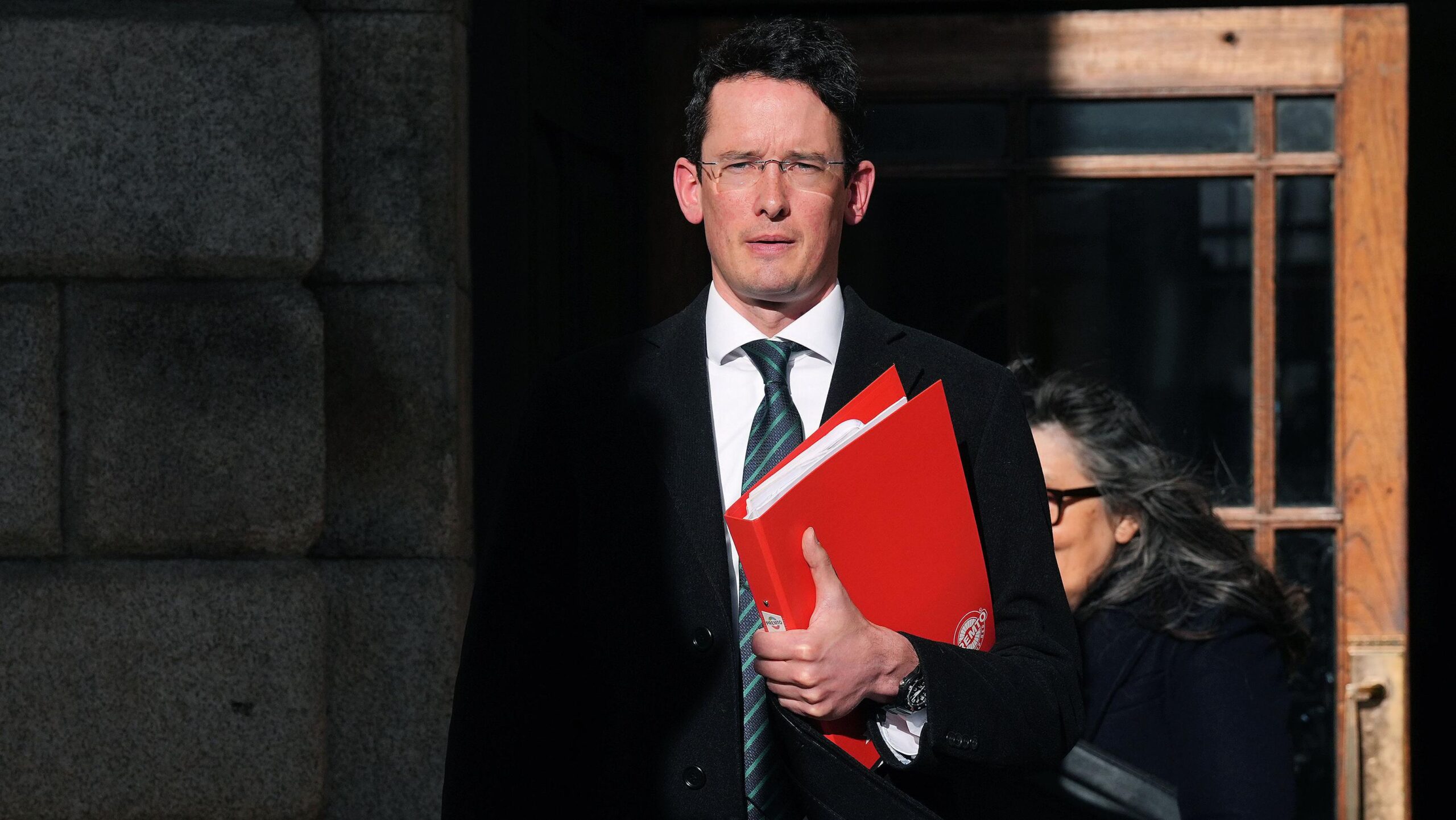
Introduction: Understanding the Enoch Burke Case
The case of Enoch Burke has gained considerable attention in recent months, reflecting broader societal debates over gender identity, freedom of speech, and the rights of individuals versus institutional policies. Burke, a teacher at a Christian school in Ireland, has become a focal point for discussions surrounding educational policies and the rights of staff in relation to personal beliefs.
Background of the Case
Enoch Burke was suspended from his teaching position after he publicly voiced his objections to a school’s policy that allowed students to express gender identities different from those assigned at birth. This decision has landed him in a protracted legal dispute with both the school and the Irish legal system. Supporters of Burke argue that his suspension is a violation of his rights to free expression and belief, while opponents suggest that his actions disrupt the school’s commitment to inclusion and support for all students.
Recent Developments
As of October 2023, Burke’s case remains in the courts. He has taken legal action to dispute his suspension, claiming his right to teach and express his beliefs are being infringed upon. Legal experts warn that this case could set significant precedents regarding the balance of individual belief systems within professional environments. Public responses have been polarized, with some rallying around Burke as a defender of free speech, while others condemn his actions as harmful to vulnerable students.
The Broader Implications
The implications of the Enoch Burke case extend beyond the immediate circumstances. It has sparked debates about how educational institutions can navigate issues of gender identity and the rights of their staff. Schools are increasingly tasked with fostering inclusive environments, which can sometimes conflict with the personal beliefs of employees. This situation raises crucial questions about how policy should evolve in light of changing societal norms, potentially influencing similar cases across other jurisdictions, including the United States.
Conclusion: What Lies Ahead
As the legal proceedings continue, the case of Enoch Burke is likely to remain a point of contention within discussions of educational policy and individual rights. Observers predict that the outcome could prompt a reevaluation of policies concerning staff conduct and inclusivity in schools. For educators, parents, and students alike, the case highlights the importance of addressing these complex issues with sensitivity while seeking to foster an environment that respects and supports diverse identities.