
Introduction
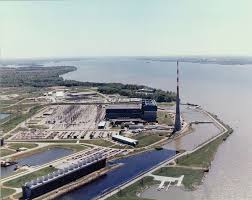
The Tennessee Valley Authority (TVA) plays a critical role in supplying energy to millions across the southeastern United States. Among its most significant assets is the Browns Ferry Nuclear Plant, located in Athens, Alabama. As a major provider of electric power, the plant impacts energy policies, economic stability, and environmental strategies in the region. Understanding its operations and current status is essential for stakeholders and residents alike.
Overview and Operations
The Browns Ferry Nuclear Plant was initially commissioned in the early 1970s and is comprised of three operational reactors. Currently, it is one of the largest nuclear power facilities in the United States, with a generating capacity of over 3,000 megawatts, enough to power more than a million homes. The plant operates as a baseload facility, meaning it provides a continuous supply of electricity, crucial for meeting the consistent energy demands of residents and businesses in the Tennessee Valley region.
In recent years, the TVA has undertaken significant investment in upgrades and safety enhancements at Browns Ferry. This includes modernizing systems and implementing rigorous safety protocols that comply with regulations set by the Nuclear Regulatory Commission (NRC). Following a successful refueling outage in 2022, the plant successfully returned to operation, echoing TVA’s commitment to maintaining safe and reliable energy production.
Environmental and Economic Impact
The Browns Ferry Nuclear Plant is also a key player in the TVA’s strategy to reduce carbon emissions. Nuclear power is considered a low-carbon energy source, thus helping TVA work toward its goal of sustainable energy production. The facility has made strides in mitigating environmental impact while maintaining efficient energy output.
Economically, the plant contributes significantly to the local economy. It provides hundreds of jobs, and its operations support various community services and initiatives. Moreover, Browns Ferry generates millions in revenue through energy sales, further supporting the TVA’s efforts to keep electric rates low for consumers.
Conclusion
The Tennessee Valley Authority Browns Ferry Nuclear Plant stands as a cornerstone of the TVA’s energy network, balancing the needs for reliable electricity and environmental responsibility. As the demand for energy continues to evolve, the continued investment in and operation of Browns Ferry will be essential for meeting the energy needs of future generations. The implications of its operation extend far beyond power generation; they influence policy, economics, and the environmental landscape of the entire region. Stakeholders, including policymakers, environmentalists, and community members, will need to stay engaged in the ongoing developments at this vital facility.