
Introduction
The smartphone industry has been witnessing rapid technological advancements, with foldable devices leading the charge toward innovative design. Among these innovations is Samsung’s tri fold technology, which represents a significant shift in how consumers interact with their devices. As users seek larger displays while maintaining portability, Samsung’s tri fold approach not only enhances usability but also sets a precedent for future smartphones.
Details of the Samsung Tri Fold Technology
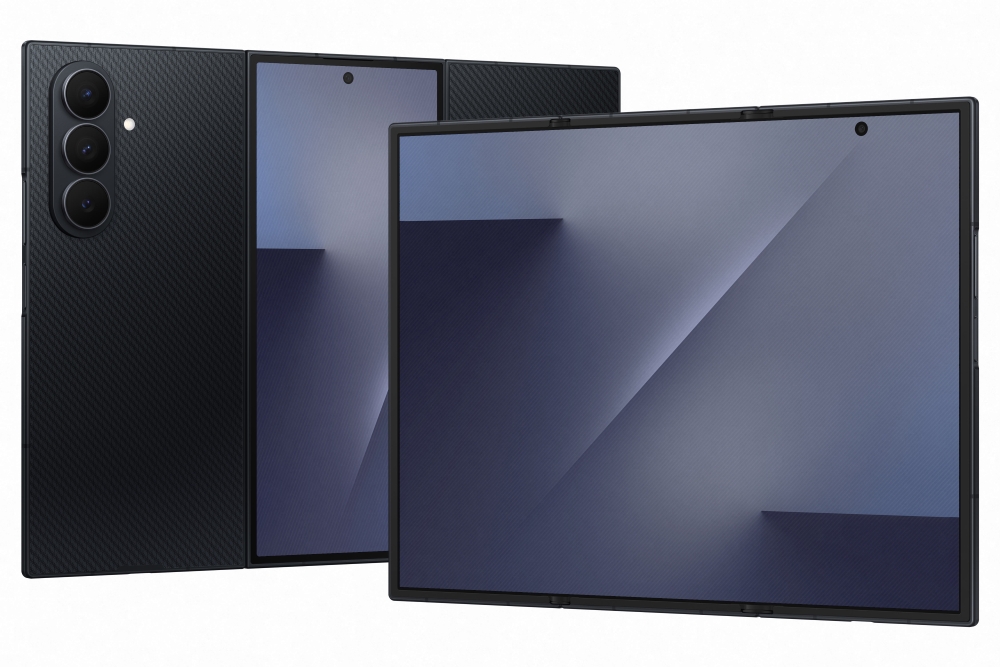
Recently showcased prototypes at technology conventions, Samsung’s tri fold phone concept features a unique design that allows the device to unfold into a wider screen area, offering more space for multitasking and media consumption. Unlike traditional foldable phones that utilize a single or double hinge, the tri fold mechanism consists of three distinct sections that can be folded together seamlessly. This design provides a compact smartphone that can expand to a tablet-like experience when opened.
The technology boasts impressive specifications, including high-resolution displays and robust processors that cater to the needs of gamers and content creators alike. Additionally, Samsung emphasizes durability, employing advanced materials that enhance both flexibility and strength, positioning their tri fold device as a long-lasting investment for users.
Current Market Reception and Events
Though still in the prototype stage, the Samsung tri fold has generated significant buzz within the tech community. Industry experts suggest that the official launch could occur within the next year, contingent on consumer feedback from existing foldable phone models. Samsung plans to integrate user insights into their design-to-market process, ensuring the final product meets user expectations.
As competition in the foldable smartphone segment heats up—companies like Huawei and Motorola have also introduced their own foldable devices—Samsung’s innovative tri fold design could be a game changer. Early reviews from consumers and tech analysts highlight the potential convenience and versatility of a tri fold device compared to current smartphone offerings.
Conclusion
As the smartphone landscape evolves, Samsung’s tri fold technology represents an exciting leap forward in mobile design, merging functionality with innovation. While consumers await the official release, the anticipated device underscores the importance of adaptability in technology. Should the tri fold model successfully transition from prototype to market, it has the potential to reshape user expectations and preferences in the smartphone market.