
Introduction
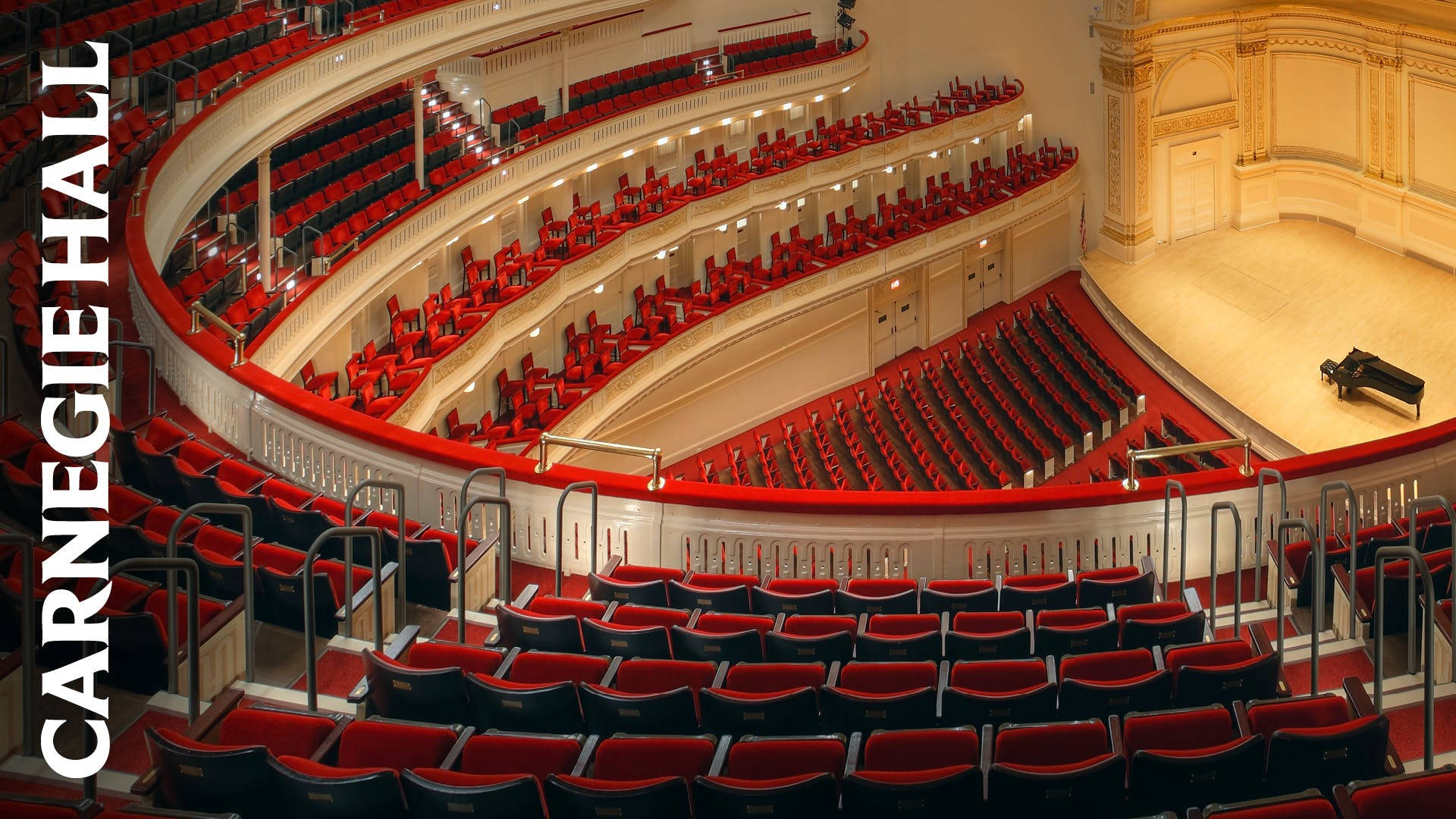
Carnegie Hall, located in New York City, is one of the most prestigious concert venues in the world. Since its opening in 1891, it has hosted a myriad of performances, becoming a symbol of artistic excellence and cultural significance. The hall not only showcases renowned artists but also offers a platform for emerging talents, reinforcing its crucial role in the music industry.
Historical Significance
Founded by philanthropist Andrew Carnegie, the hall was designed by architect William Burnet Tuthill. Its striking Roman Renaissance design and exceptional acoustics quickly garnered acclaim, attracting diverse performances from classical symphonies to modern jazz. Over the years, icons such as Ella Fitzgerald, The Beatles, and Yo-Yo Ma have graced its stage, making it a pilgrimage site for music lovers and artists alike.
Recent Developments
In recent years, Carnegie Hall has embraced new technologies and programming strategies, including virtual performances and educational outreach. The COVID-19 pandemic prompted a shift to online concerts, allowing global audiences to experience its unique offerings from home. As the venue resumes live performances, it has implemented health and safety protocols to protect patrons and artists, ensuring a safe return to live music.
Conclusion
Carnegie Hall remains a cornerstone of New York City’s rich cultural landscape. With a legacy of more than a century, it continues to adapt to the evolving music scene while preserving its historical significance. Looking forward, Carnegie Hall is poised to remain an influential player in the arts, bridging the gap between traditional and contemporary music, and inspiring future generations of artists and audiences.