
Introduction
The COVID-19 pandemic has profoundly impacted global health, economic systems, and daily life. Understanding the symptoms associated with COVID-19 is crucial for early detection, personal safety, and community health. As the virus continues to mutate and new variants emerge, staying informed about the symptoms of COVID-19 is more important than ever. This article explores the common symptoms of COVID-19 and highlights their relevance in today’s healthcare landscape.
Common Symptoms of COVID-19
According to the Centers for Disease Control and Prevention (CDC), the most common symptoms of COVID-19 include:
- Fever or chills: A high temperature is often one of the first signs.
- Cough: A persistent cough that may worsen over time.
- Shortness of breath: Difficulty in breathing is an alarming symptom.
- Fatigue: Persistent tiredness that doesn’t improve with rest.
- Muscle or body aches: Commonly reported by infected individuals.
- Headache: Often reported alongside other symptoms.
- New loss of taste or smell: A unique symptom linked specifically to COVID-19.
- Sore throat: Can indicate a variety of conditions, but is commonly reported.
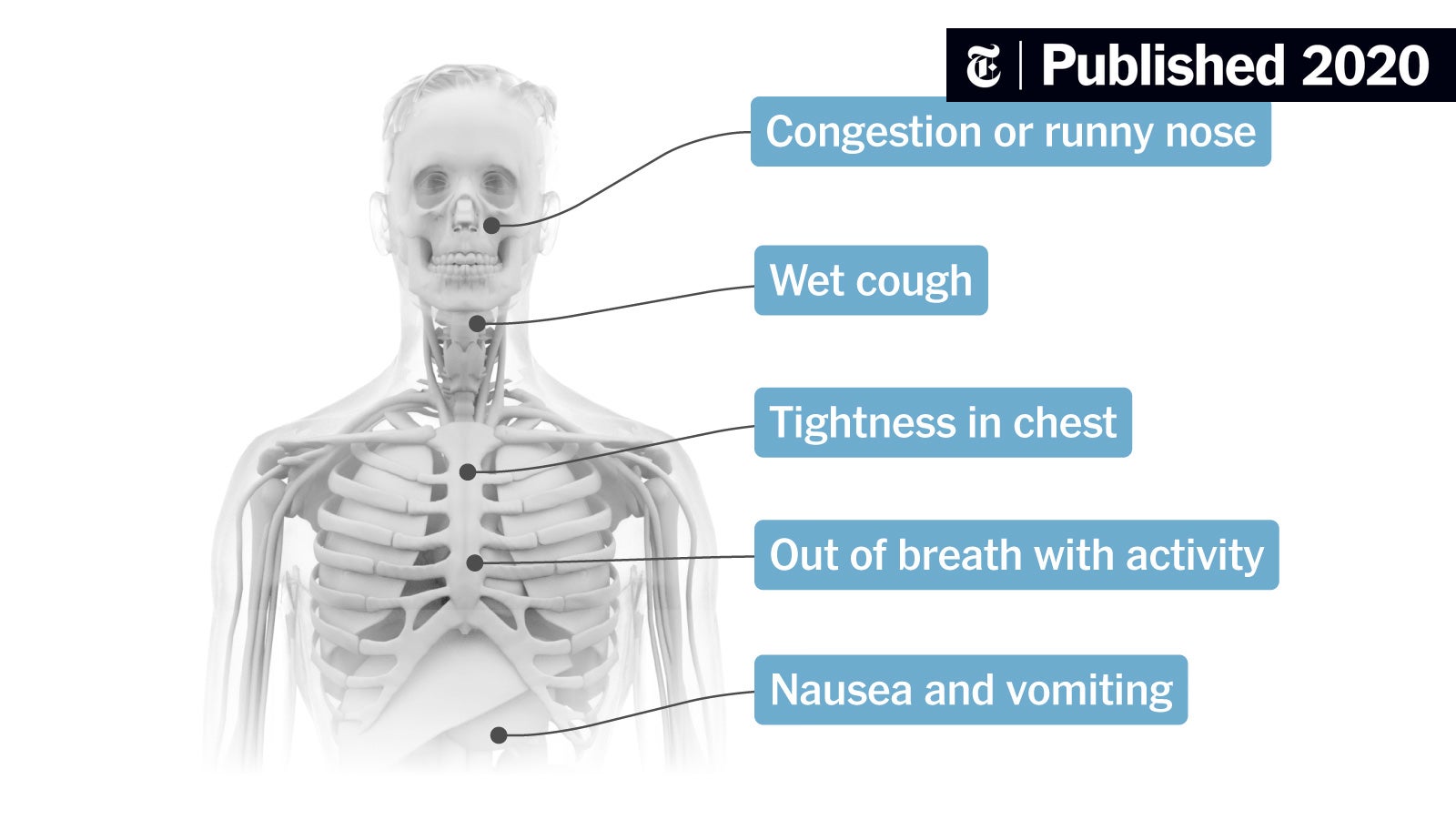
- Congestion or runny nose: These may also appear, especially in variants.
- Nausea or vomiting and diarrhea: Though less common, gastrointestinal symptoms can occur.
Severe Symptoms to Watch For
While many people experience mild symptoms, some may develop more severe conditions that require immediate medical attention. Severe symptoms include:
- Difficulty breathing or shortness of breath.
- Chest pressure or persistent pain.
- New confusion or inability to stay awake.
- Bluish lips or face.
Conclusion
Recognizing COVID-19 symptoms is vital for early intervention and limiting the spread of the virus. Individuals experiencing mild symptoms are encouraged to self-isolate and monitor their health, while severe symptoms necessitate immediate medical assistance. As the landscape of COVID-19 continues to evolve, staying informed about symptoms can empower individuals to protect themselves and their communities. Health experts recommend getting vaccinated and staying updated with the latest public health guidelines for ongoing safety. The significance of understanding COVID symptoms extends beyond personal health; it underlines collective responsibility in overcoming the pandemic.