
Introduction
School closings have become a pressing issue in various parts of the United States in recent months, affecting thousands of students, teachers, and families. With the ongoing challenges posed by winter weather, public health concerns, and other disruptive events, the implications of these closures extend beyond just missed classroom time. Understanding the trends and reasons behind these closings is crucial for grasping their impact on the educational landscape.
Recent Trends in School Closings
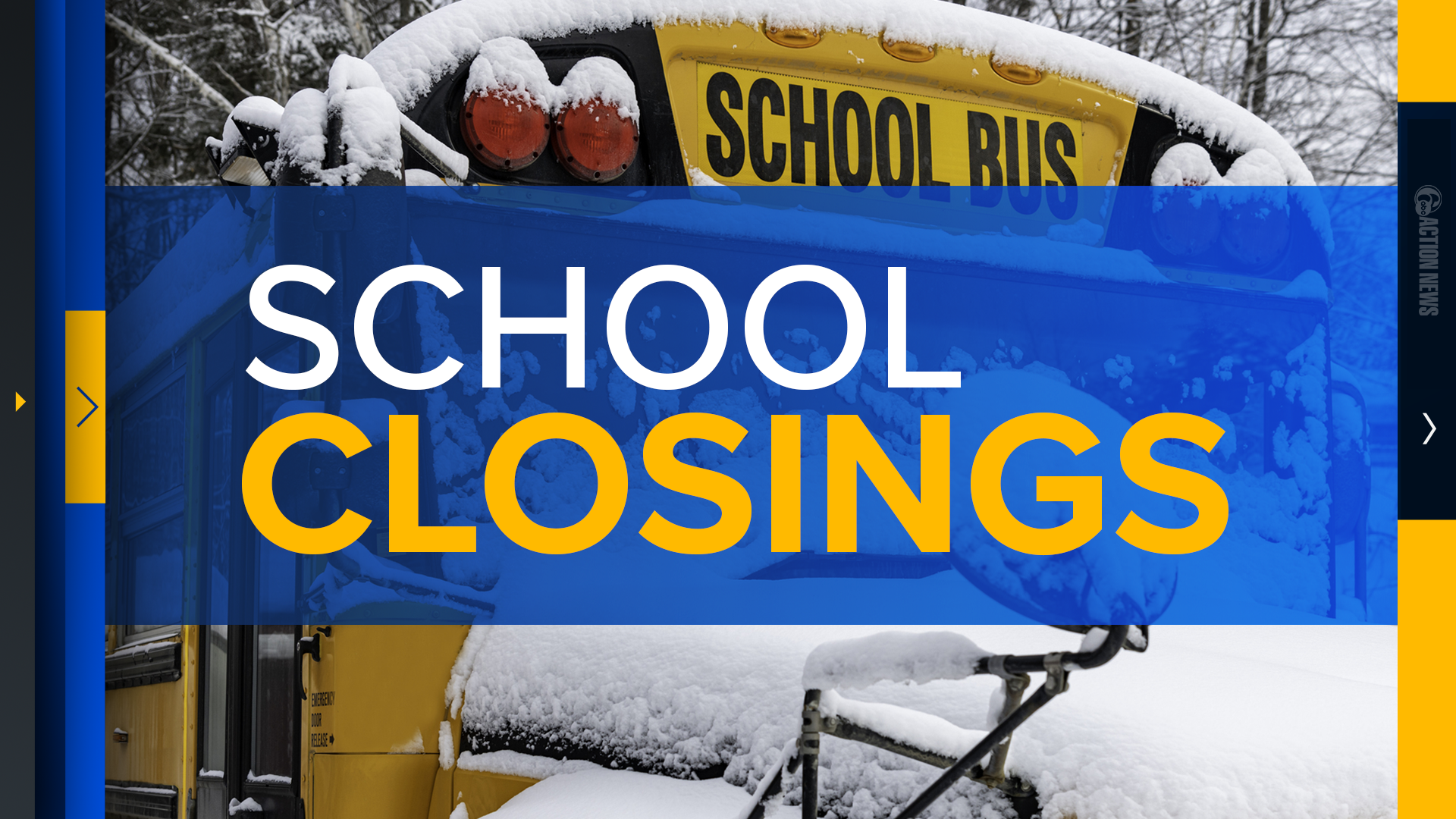
In the winter of 2023, numerous school districts across states like Minnesota, Chicago, and New York faced unexpected closures due to severe snowfall and icy conditions. According to the National Weather Service, certain regions reported up to 15 inches of snow overnight, prompting safety concerns that led administrators to cancel classes. Additionally, public health issues, such as flu outbreaks and COVID-19 spikes, have further contributed to decisions to close schools, often on short notice.
Impact on Students and Families
School closings can significantly disrupt students’ education, leading to lost instructional time and learning opportunities. Many districts have adapted by shifting to remote learning during closures. A survey by the National Center for Education Statistics revealed that while remote learning mitigated some effects, students reported feeling less engaged and struggling with motivation compared to in-person classes. Furthermore, parents face challenges in balancing work responsibilities with the need to supervise their children during remote learning days, especially for younger kids.
Community and Educational Responses
Communities have begun to adopt various strategies to address the impact of school closures. Some districts are enhancing their virtual learning infrastructures, while others are providing resources like learning pods and tutoring services. Collaboration with local organizations is also increasing to ensure students have access to meals and other essential services during unexpected breaks. Schools are evaluating their emergency response plans to improve communication with families, ensuring they are informed ahead of time of potential closures.
Conclusion
As the trend of school closings continues, it is vital for educators, parents, and policymakers to adapt and innovate. By investing in technology, enhanced support systems, and strong communication strategies, the educational community can work toward mitigating the effects of these disruptions. Moving forward, addressing the growing challenges of unpredictability in education will be crucial to maintaining the quality of learning and supporting students’ overall well-being.