
Introduction
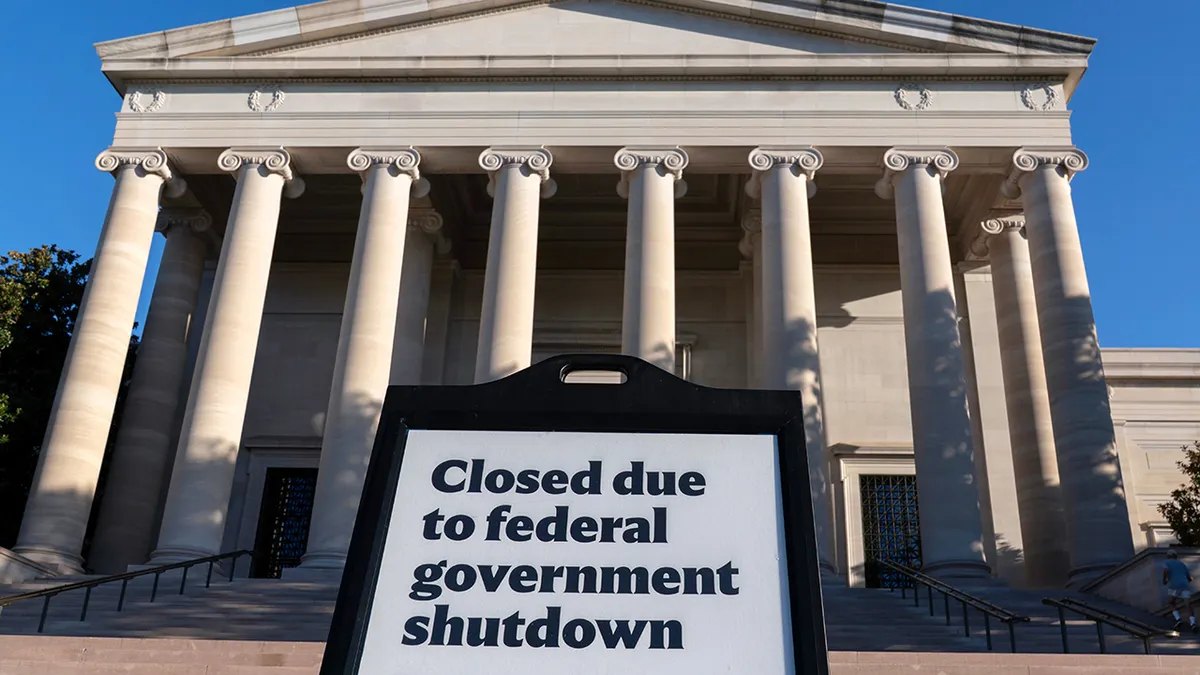
The prospect of a government shutdown is a significant concern for the American public, highlighting the tenuous nature of congressional budgeting and the impacts on various sectors of society. As we look towards 2026, discussions surrounding a potential government shutdown are heating up, warranting an examination of its importance and relevance to citizens across the country.
The Current Landscape
As of late 2023, the U.S. government has faced several funding crises, leading to temporary shutdowns as lawmakers grapple with partisan divides over budget allocations. The 2026 fiscal year budget is already under scrutiny. Analysts predict that without bipartisan cooperation, the U.S. could experience another shutdown. Previous shutdowns have demonstrated that these events can lead to adverse effects, such as delays in government payments, furloughs for federal employees, and interruptions in services that Americans rely on.
Consequences for The Public
A government shutdown in 2026 could have far-reaching implications. Essential services, including national security and public health operations, would continue, but many discretionary services could face delays. Federal employees would likely face furloughs, impacting household finances and local economies. This situation could provoke public unrest and intensify scrutiny towards federal budget management, as citizens express dissatisfaction with their government’s inability to function effectively.
Political Implications
The political landscape leading up to the shutdown in 2026 could be drastically affected. Parties will likely use the shutdown to rally their bases and criticize the opposition, thus heightening political tension. Historically, such events reveal public sentiment regarding government effectiveness which may influence upcoming election cycles. Incumbents, particularly in battleground states, could face challenging re-election campaigns if the service interruptions resonate unfavorably with constituents.
Conclusion
In summary, the potential for a government shutdown in 2026 poses considerable risks and challenges for American citizens, affecting everyday lives and the broader political landscape. Stakeholders and citizens alike should remain engaged in the budgeting process and advocate for collaborative governance. As we approach 2026, it will be critical to monitor developments and encourage bipartisan dialogue to avoid a damaging shutdown that could further erode public trust in government institutions.