
Introduction
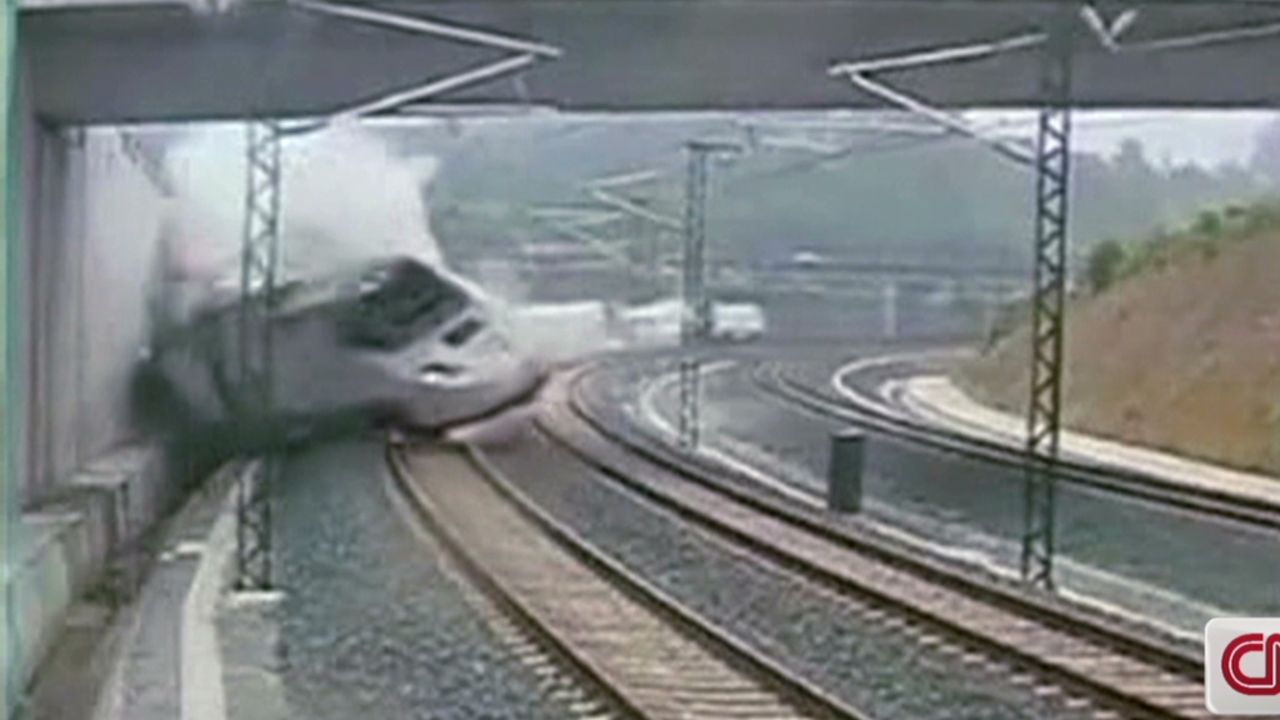
The recent speed train crash in Spain has raised substantial concern regarding rail safety and system preparedness. On October 18, 2023, a high-speed train derailed near the city of Toledo, resulting in injuries to over 60 passengers and tragically causing the loss of life for two individuals. This incident highlights the importance of railway safety measures and the need for constant assessment of public transport systems.
Details of the Incident
The train, operated by Renfe, was traveling at a high speed when it derailed shortly after departing Toledo. Eyewitness accounts describe a scene of chaos as the train careened off the tracks, leading to immediate emergency responses from both police and medical services. Rescue teams worked tirelessly to evacuate trapped passengers and transport the injured to nearby hospitals. Among those injured, 15 people are reported in critical condition and receiving intensive care.
Investigators from the National Commission for the Investigation of Railway Accidents (CIAF) were dispatched to the site to ascertain the cause of the derailment. Preliminary statements indicate that both mechanical failure and human error could potentially play roles in the crash; however, concrete findings are still under review. Surveillance footage is expected to be a critical component in understanding the sequence of events that led to this tragic accident.
Implications for Rail Safety
As Spain continues to operate one of the most efficient railway networks in Europe, this incident serves as a stark reminder of the need for constant vigilance in rail safety regulations. In recent years, Spain has invested heavily in its rail infrastructure; however, critics argue that more stringent measures on operational safety checks and maintenance protocols could be necessary to prevent future occurrences.
The government has announced that an emergency response meeting will occur to evaluate current safety protocols and enhance training for rail operators. The Minister of Transport has stated, ‘Our priority is to ensure the safety of passengers above all else, and we are committed to understanding the factors that contributed to this accident.’
Conclusion
This tragic incident raises significant questions regarding the operational safety of high-speed trains in Spain. It serves as a crucial wake-up call for the railway authorities, emphasizing the importance of proactive measures to safeguard passengers. As investigations unfold, there will likely be profound implications for policy changes intended to bolster rail safety measures and foster public confidence in the transportation system.