
Introduction
The latest inflation rates are a critical concern for economists, policymakers, and consumers alike. As inflation affects purchasing power and economic stability, understanding its trends and implications is essential for making informed financial decisions. This article seeks to provide an overview of the current inflation scenario, exploring key factors driving prices higher and the potential effects on various sectors.
Current Inflation Rates
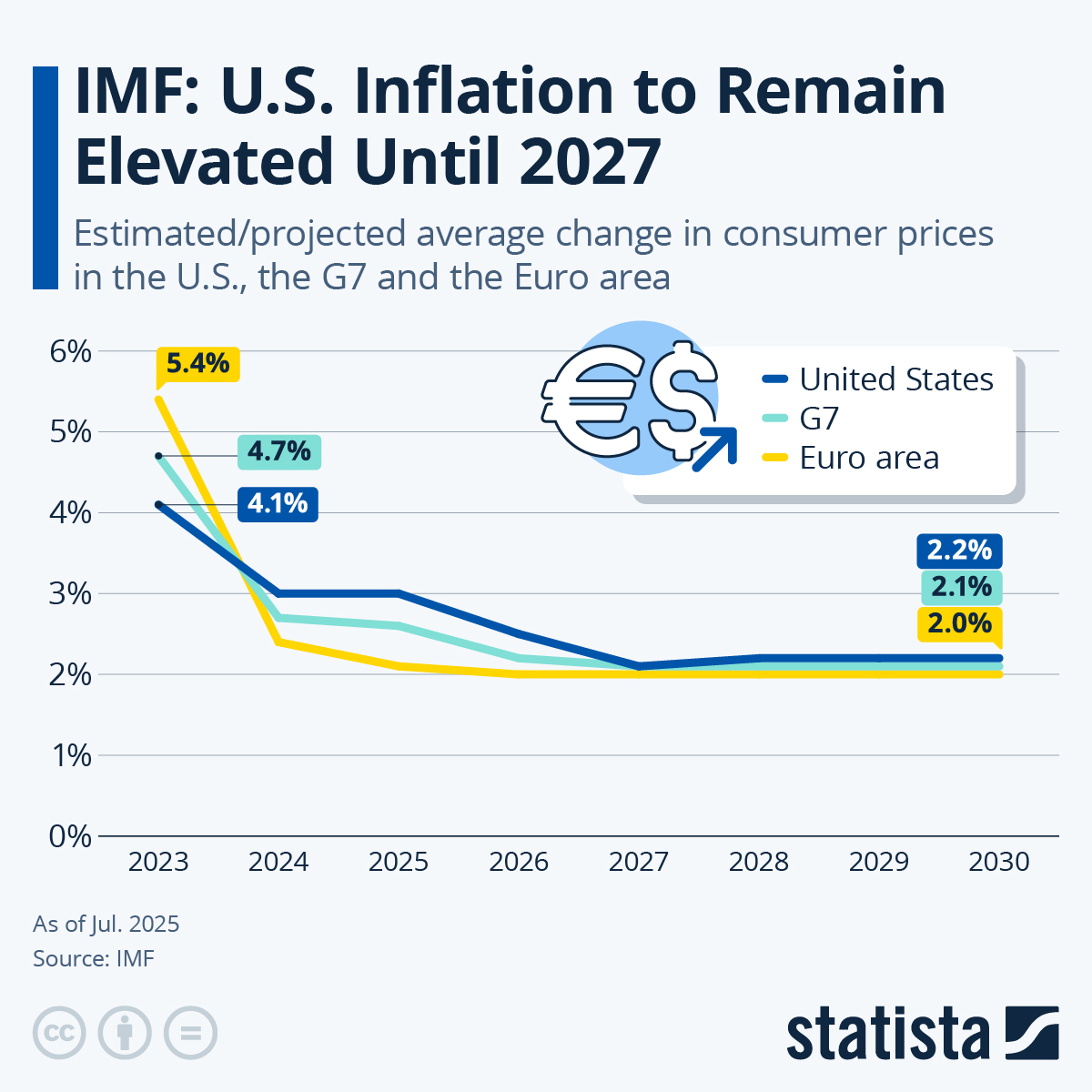
As of October 2023, the latest data from the Bureau of Labor Statistics indicates that the Consumer Price Index (CPI) has increased by 3.7% over the past year, slightly down from the previous month. This marks a continued trend from earlier in the year, where inflation peaked at rates not seen in decades. Core inflation, which excludes volatile food and energy prices, also reflects a steady increase of 4.1%, signaling persistent upward pressure on prices.
Factors Contributing to Inflation
Several factors are contributing to the current inflation landscape. Firstly, supply chain disruptions, exacerbated by geopolitical tensions and the ongoing effects of the pandemic, are leading to higher costs for raw materials and transportation. Secondly, increased consumer demand as economies continue to recover has put further pressure on prices. Labor shortages in key sectors are also pushing wages higher, which businesses often pass on to consumers through increased prices.
Impact on Consumers and Businesses
The latest inflation trends have significant implications for consumers and businesses. For consumers, rising prices mean that everyday goods and services are becoming more expensive, affecting household budgets. Essential items such as groceries and electricity are experiencing sharp increases, leading to concerns about affordability. For businesses, higher costs of production can lead to squeezed profit margins, prompting them to raise prices or cut costs, which can result in layoffs or reduced investment.
Conclusion
As we look ahead, the trajectory of inflation remains uncertain. Economists suggest that while inflation may ease in the coming months, it is unlikely to return to pre-pandemic levels imminently. Consumers should remain vigilant and adapt to ongoing changes in the economic landscape. Policymakers are tasked with balancing inflation control without stifling economic growth, making this a crucial time for strategic financial planning and policy-making. Understanding these trends and their implications helps us navigate the complexities of an evolving economy.