
Introduction
In today’s digital age, TV apps have become an integral part of our entertainment experience, enabling users to access a plethora of content right at their fingertips. With the shift from traditional cable to streaming services, the importance of TV apps cannot be overstated. They not only allow viewers to watch their favorite shows and movies at their convenience but also provide personalized content, catering to diverse tastes and preferences. As we delve into 2023, let’s explore the current trends, popular apps, and what the future holds for TV viewing.
Current Trends in TV Apps
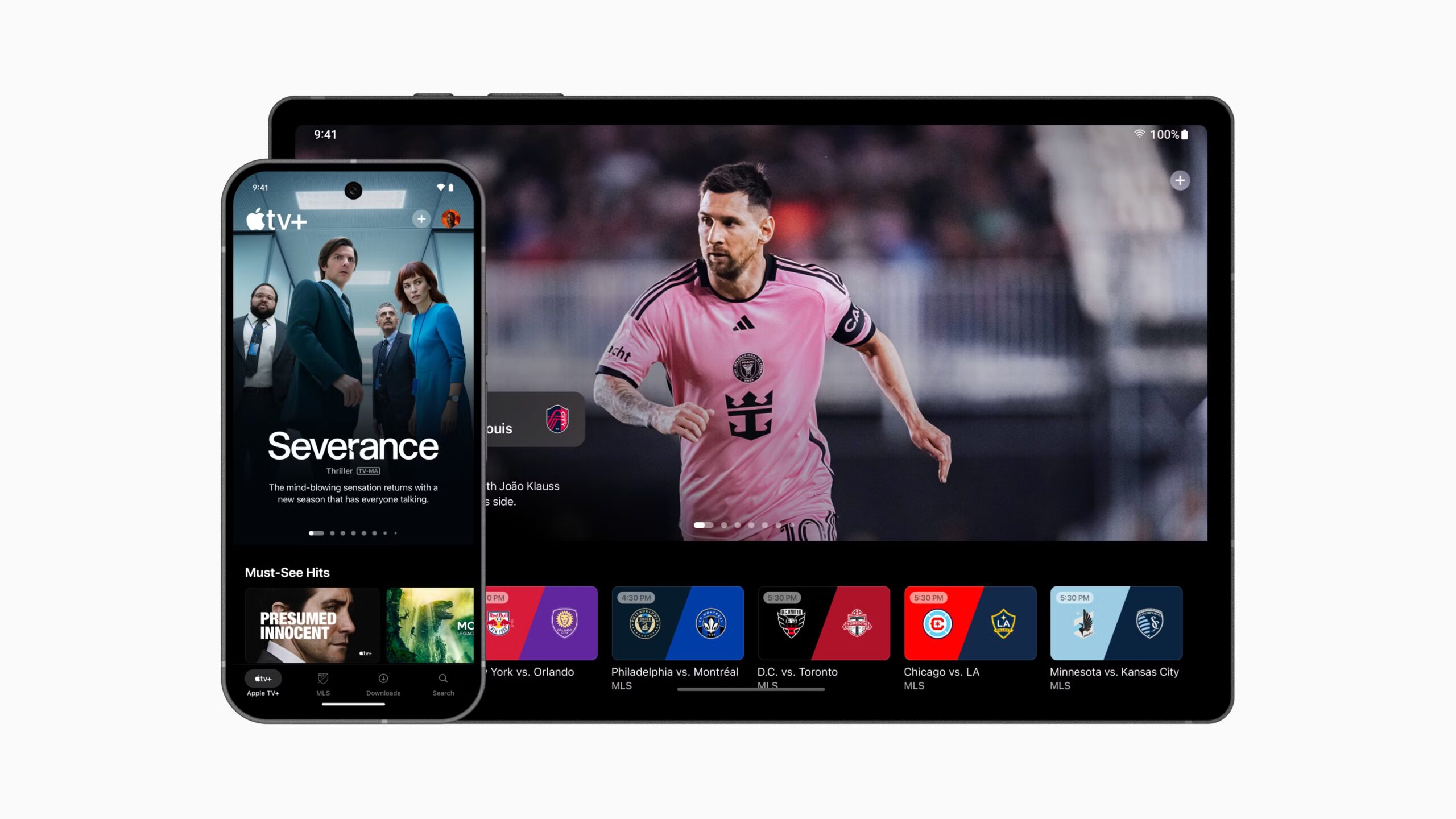
Recently, the rise of streaming platforms has led to a surge in the development and usage of TV apps. According to a report by Statista, as of early 2023, more than 50% of U.S. households subscribe to at least one streaming service, which emphasizes the dramatic shift in viewer behavior. Major players like Netflix, Hulu, and Amazon Prime Video continue to dominate the market, but new entrants such as Apple TV+ and Disney+ are making significant impacts by offering exclusive content.
In addition to this, a noticeable trend is the integration of features such as live streaming, offline downloads, and smart recommendations. TV apps are increasingly smart, utilizing AI algorithms to suggest content based on users’ viewing habits. The user interface of these apps is also becoming more intuitive, making it easier for viewers of all ages to navigate their desired content.
Popular TV Apps of 2023
As of now, several TV apps stand out due to their unique offerings and user engagement. Netflix remains a leader, known for its vast library of shows and original productions. Similarly, Hulu is gaining traction with its combination of current TV episodes and on-demand content. For sports enthusiasts, ESPN+ has emerged as a go-to option, providing access to live events and exclusive content.
Moreover, platforms like Roku and Apple TV are not just content providers but also serve as hubs for multiple streaming services, allowing users to access diverse apps from one interface. This integration is key in improving user experience as it eliminates the hassle of switching between apps.
Conclusion
The evolution of TV apps has significantly transformed the way we consume entertainment. With trends leaning towards personalization, smart algorithms, and versatile content offerings, the future of TV apps appears bright. As more households shift away from traditional cable, it is important for viewers to stay updated on the latest apps and features available in the market. In conclusion, the continued success and innovation in TV apps suggest they will play a central role in our viewing habits for years to come.