
Introduction
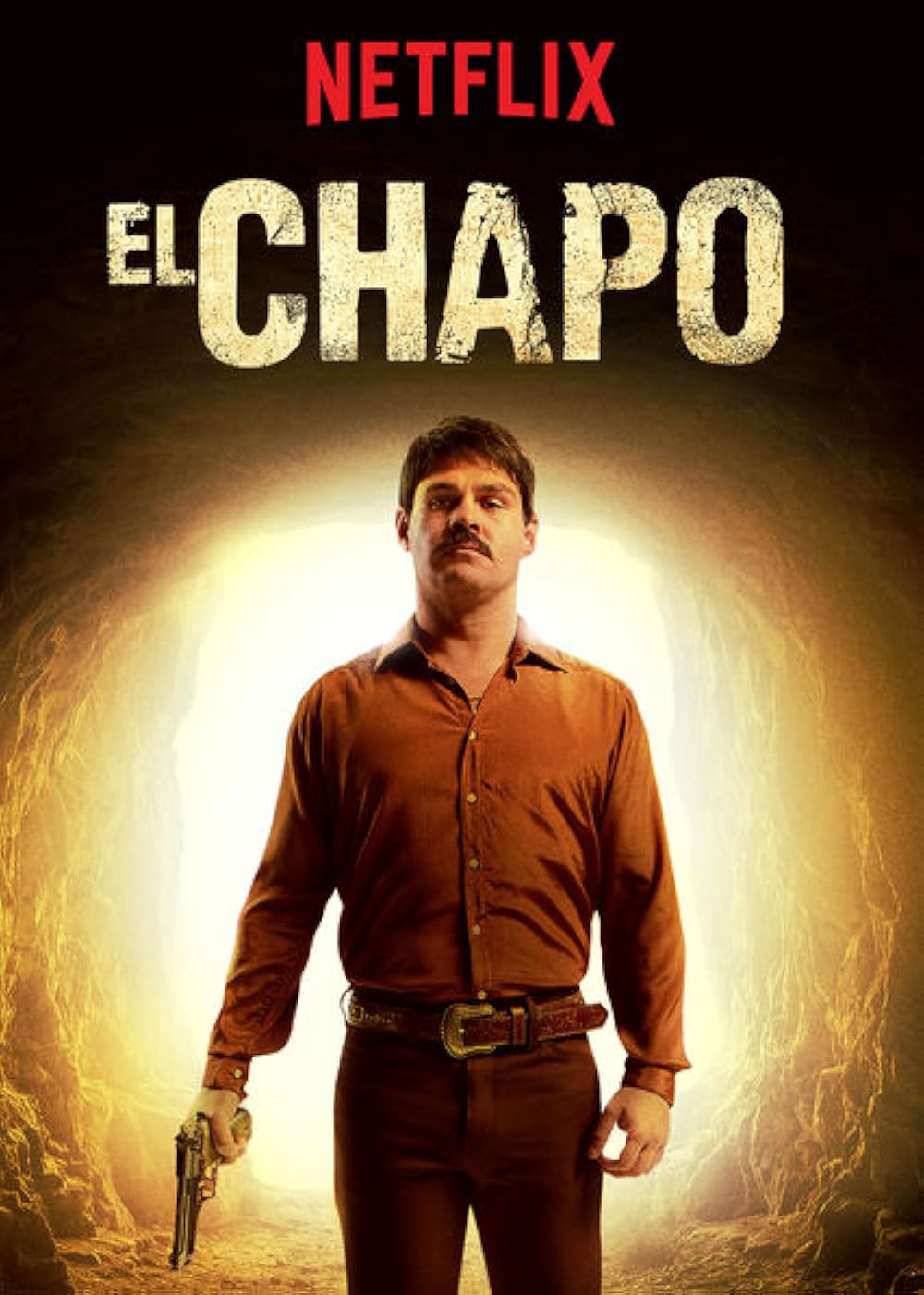
Joaquín “El Chapo” Guzmán, a name synonymous with the world of drug trafficking, has left an indelible mark on both international crime and law enforcement. His life story has captured global attention, shedding light on the operations of the Sinaloa Cartel, one of the most powerful and dangerous criminal organizations in the world. Understanding El Chapo’s influence is crucial not only for historical context but also for grasping the ongoing challenges law enforcement faces in combating drug-related violence and trafficking.
El Chapo’s Rise to Power
Born on December 25, 1954, in La Tuna, Mexico, Guzmán’s journey into the underworld began early. After working on a marijuana farm, he quickly climbed the ranks under the tutelage of drug lord Héctor Luis Palma. By the late 1980s, he had solidified his position as a leader within the Sinaloa Cartel, notably pioneering the use of tunnels to smuggle drugs into the United States.
El Chapo’s methodical approach to drug trafficking, focusing on market demand and tactical shipping routes, catalyzed his rise to become one of the wealthiest individuals globally. His cartel was responsible for a significant percentage of the narcotics entering the U.S., including cocaine, methamphetamine, heroin, and marijuana.
Captures and Escapes
Guzmán’s notoriety extended beyond his criminal dealings. Over the years, he was captured multiple times, yet his dramatic escapes—most notably from a maximum-security prison in 2015—further embellished his mythos. The first escape occurred through a tunnel that connected to a construction site, demonstrating his resourcefulness and planning.
Legal Proceedings and Sentencing
In 2016, Guzmán was recaptured, and in 2019, he faced trial in the United States. His trial was highly publicized, showcasing testimonies from cartel members and revealing the extensive reach of his operations. On July 17, 2019, Guzmán was sentenced to life in prison plus 30 years, further solidifying the narrative of his downfall.
Conclusion
The story of El Chapo serves as a critical case study in the complexities of modern drug trafficking and law enforcement. His criminal enterprise’s impact continues to echo, influencing policies and strategies employed by authorities combating such powerful organizations. While Guzmán is now behind bars, the structures he created and the violence associated with them remain pressing issues within society. The ongoing battle against drug cartels like the Sinaloa Cartel emphasizes the need for comprehensive strategies and international cooperation to address the drug crisis effectively.