
Introduction
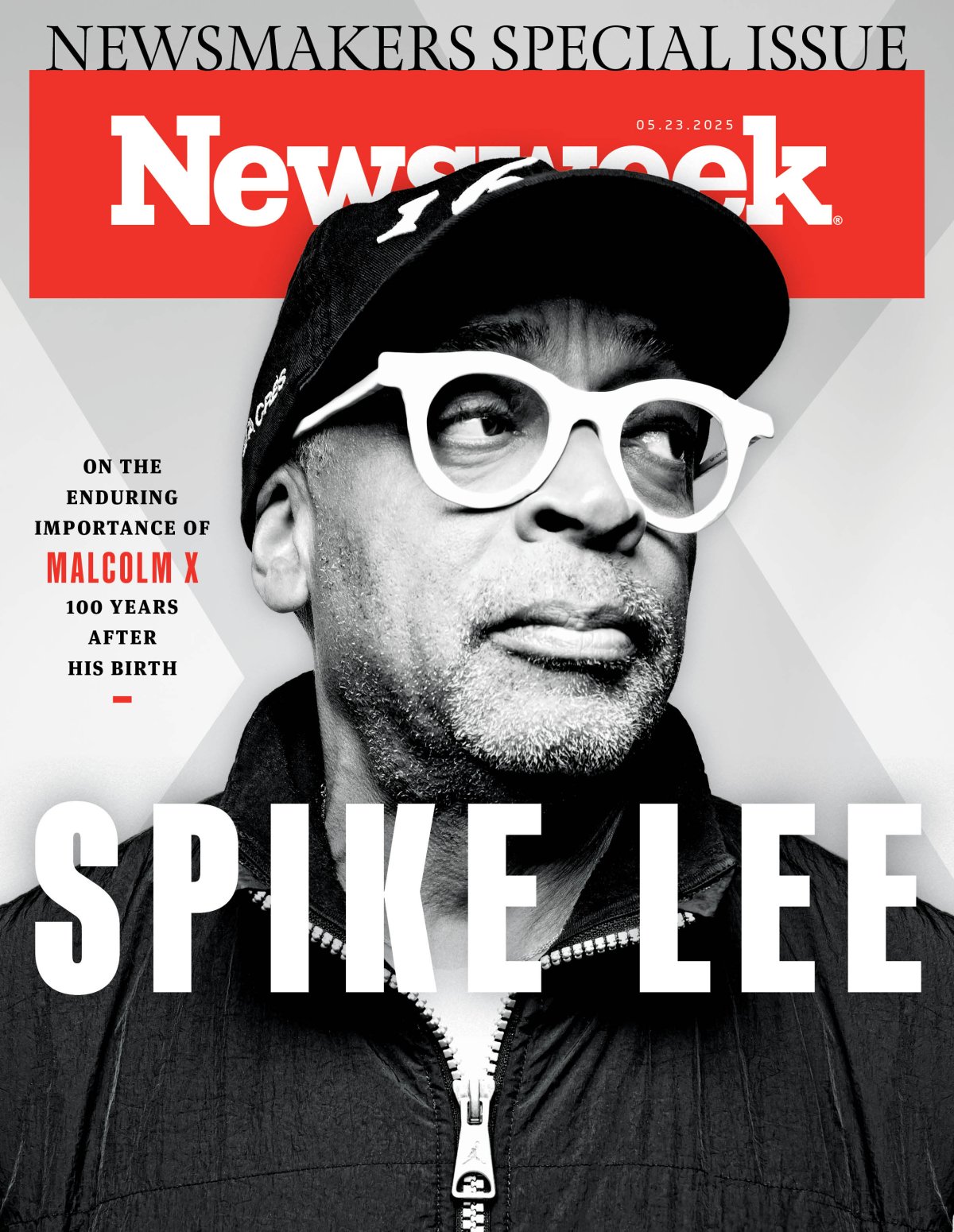
Spike Lee is one of the most influential filmmakers in American cinema, known for his innovative storytelling and social commentary. His work addresses critical issues such as race relations, social injustice, and inequality, making him a significant figure in both the film industry and broader cultural discussions. As cinema continues to evolve, Lee’s contributions remain relevant, sparking conversations and inspiring new generations of filmmakers.
Key Contributions and Notable Works
Spike Lee’s career began in the late 1980s with the release of She’s Gotta Have It, a film that quickly garnered attention for its dynamic portrayal of African American life. His unique style, incorporating bold visuals and a distinctive narrative voice, set a new standard for independent filmmaking. Other key films include Do the Right Thing, Malcolm X, and BlacKkKlansman, each tackling complex themes and showcasing Lee’s ability to blend entertainment with thought-provoking content.
This year, Lee celebrated the 30th anniversary of Malcolm X, which remains critically acclaimed for its powerful depiction of the civil rights leader’s life and struggle. Recently, he has continued to engage audiences with projects that reflect societal challenges, including the documentary David Byrne’s American Utopia, which merges music and political commentary.
Impact on Social Issues
Lee’s work has consistently pushed the boundaries of film, as he uses storytelling as a vehicle for activism. He highlights the importance of representation in cinema and the power of art to drive social change. In recent years, his statements and films have resonated deeply with movements such as Black Lives Matter, reinforcing that the fight for justice is a continuous journey. Lee’s ability to inject urgency into cultural conversations is a testament to his role as a cultural icon.
Conclusion
As we move forward into an era where diverse voices and stories are increasingly cherished, Spike Lee’s legacy is more important than ever. His innovative approach to filmmaking and unwavering commitment to social issues serve as a roadmap for aspiring filmmakers. Lee’s work encourages audiences to confront uncomfortable truths while also celebrating cultural identity, proving that cinema can be both a mirror and a catalyst for change. Looking ahead, we can anticipate more groundbreaking works from Lee that will undoubtedly continue to challenge norms and inspire critical discussions.