
Introduction
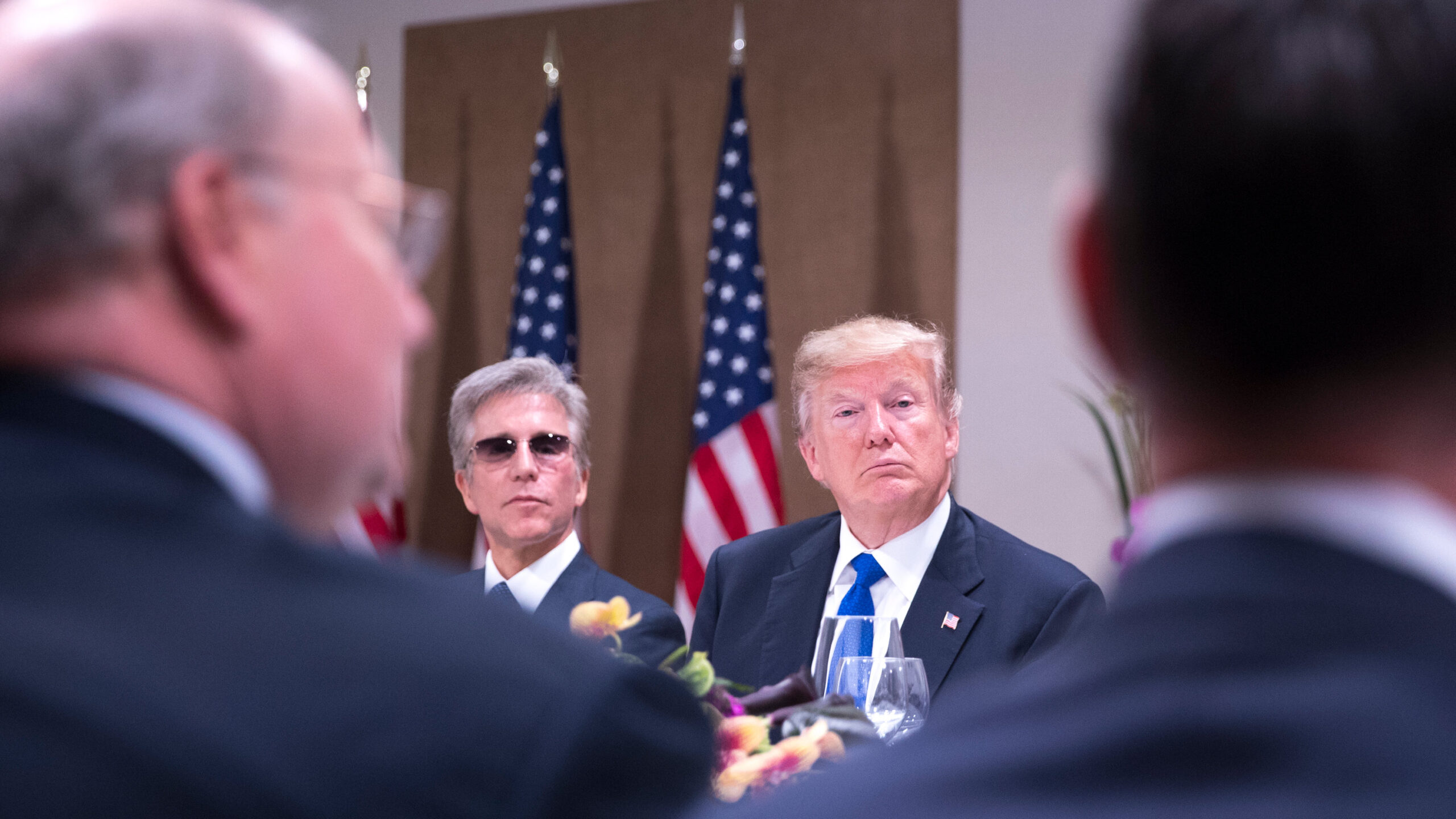
The World Economic Forum in Davos, Switzerland, is known for gathering leaders from various sectors to discuss pressing global issues. The presence of former President Donald Trump at this high-profile event has often sparked conversations about his economic ideologies and their implications on the world stage. As the 2024 election approaches, Trump’s influence at Davos remains a pertinent topic for economic analysts and political enthusiasts alike.
Trump’s Economic Agenda at Davos
During Trump’s tenure in office, his policies which emphasized ‘America First’ resonated strongly at international forums. At previous Davos meetings, Trump championed deregulation and tax reforms, claiming they would bolster the U.S. economy and encourage foreign investment. His appearance in 2018 resulted in a notable clash between his protectionist rhetoric and the globalist ideals typically upheld at Davos.
This year, the forums are expected to be engaged in discussions regarding the aftermath of the COVID-19 pandemic, climate change, and the ongoing tensions in global trade. Trump’s stance on these issues has evolved since he left office, with increasing focus on domestic economic recovery while still asserting strong nationalist positions.
Post-Presidency Engagement
After leaving the White House, Trump’s return to the stage at Davos is anticipated to dominate discussions among media and political experts alike. It is expected that Trump will share his insights on how he perceives the future of U.S. economic participation in the global market. His criticisms of existing leadership and policies in Davos could serve to galvanize his political base ahead of the upcoming elections.
Conclusion
The significance of Trump’s views during the Davos meeting cannot be understated, particularly as the political landscape continues to shift. His presence is bound to influence both supporters and critics as they navigate the complexities of global economic policies. As global leaders convene to address the challenges ahead, reactions to Trump’s past and potential future contributions will undoubtedly shape discussions and strategies in the coming years. The insights garnered from this meeting could forecast the trajectory of U.S. economic policies that may ensue leading up to the 2024 election.