
Introduction
Howard Lutnick is a notable figure in the financial world, best known as the CEO of Cantor Fitzgerald, a global financial services firm. His journey from a young trader to a respected leader has been marked by both professional accomplishments and personal tribulations, particularly following the tragic events of September 11, 2001. Understanding Lutnick’s career is vital for those interested in finance, investment banking, and the effects of leadership during crises.
Early Life and Career
Lutnick was born on July 14, 1962, in New York City. He graduated from Haverford College in 1983 with a degree in economics. Shortly after, he began working at Cantor Fitzgerald, where he quickly proved his mettle. By 1991, he had risen to the position of president and became the CEO in 1999. His leadership methods and strategic decisions helped turn Cantor Fitzgerald into a powerhouse in the finance sector.
Challenges and Resilience
The firm faced a significant tragedy when nearly 658 employees died in the 9/11 attacks, as their headquarters was located in the World Trade Center. Lutnick, who lost many friends and colleagues that day, made headlines by pledging to hire back all employees who were affected and distributed a portion of the firm’s profits to the families of the victims. This act of empathy and resilience transformed Lutnick’s public image and cemented his reputation as an empathetic leader willing to prioritize human values amidst tragedy.
Innovations in Finance
Under Lutnick’s guidance, Cantor Fitzgerald has introduced several innovations in the trading space. The company has pioneered electronic trading platforms and has expanded its services to include entertainment, real estate, and even technology investments. Lutnick’s vision for integrating advanced technology into finance has set a precedent for others in the industry.
Philanthropy and Social Impact
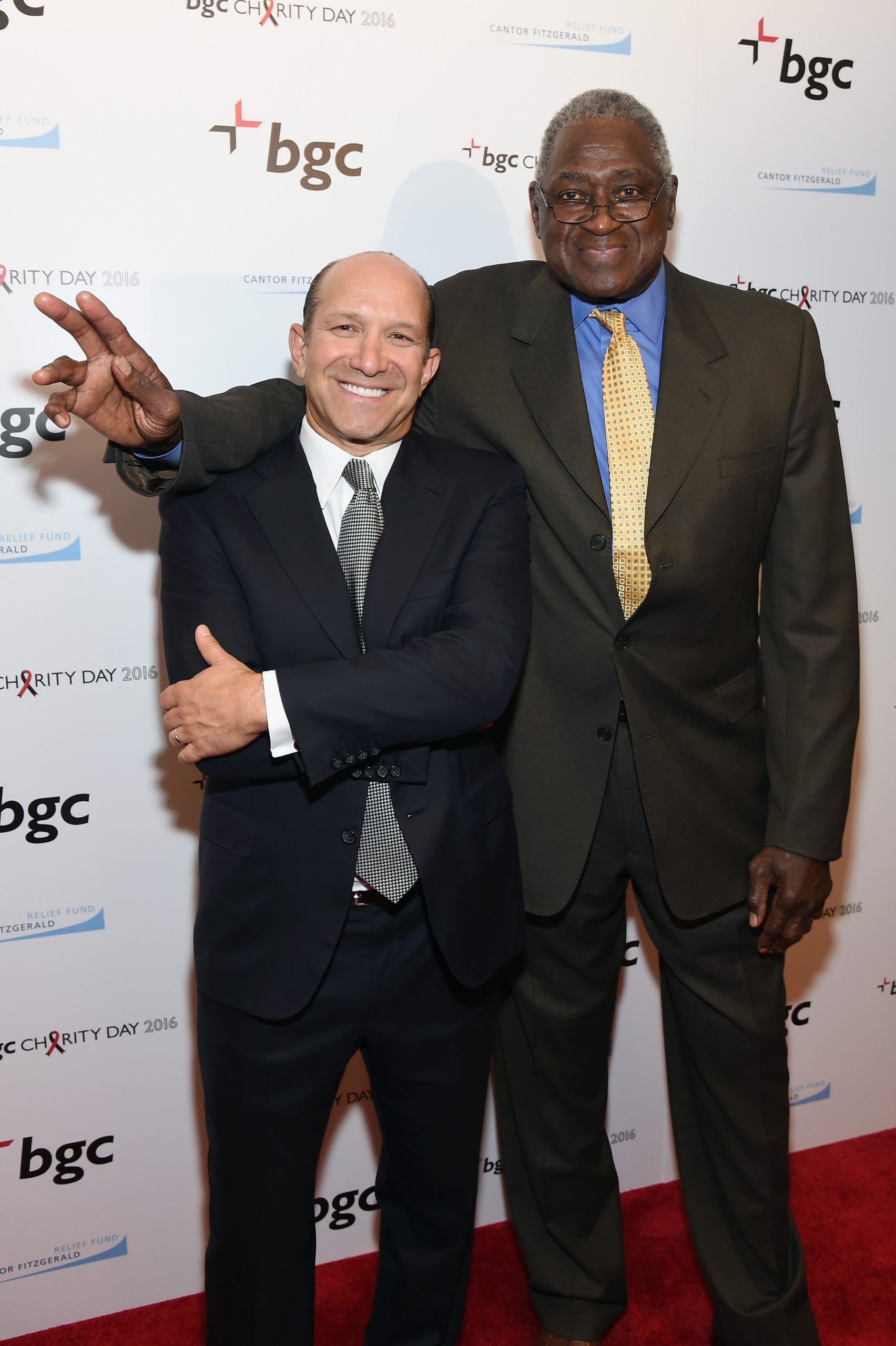
In addition to his corporate success, Howard Lutnick is also known for his philanthropic efforts. The Cantor Fitzgerald Relief Fund, established in the wake of 9/11, has raised millions for various causes including disaster relief, education, and health care. Lutnick’s commitment to giving back underscores his belief in the corporate responsibility to contribute to society.
Conclusion
Howard Lutnick’s journey from a young trader to a prominent corporate leader is a testament to resilience, innovation, and compassion. His ability to navigate personal and professional challenges while maintaining a strong sense of social responsibility provides valuable lessons for future leaders. As the world continues to evolve, Lutnick’s legacy in finance and philanthropy is likely to inspire many to adopt a balanced approach to business and community engagement.