
Introduction
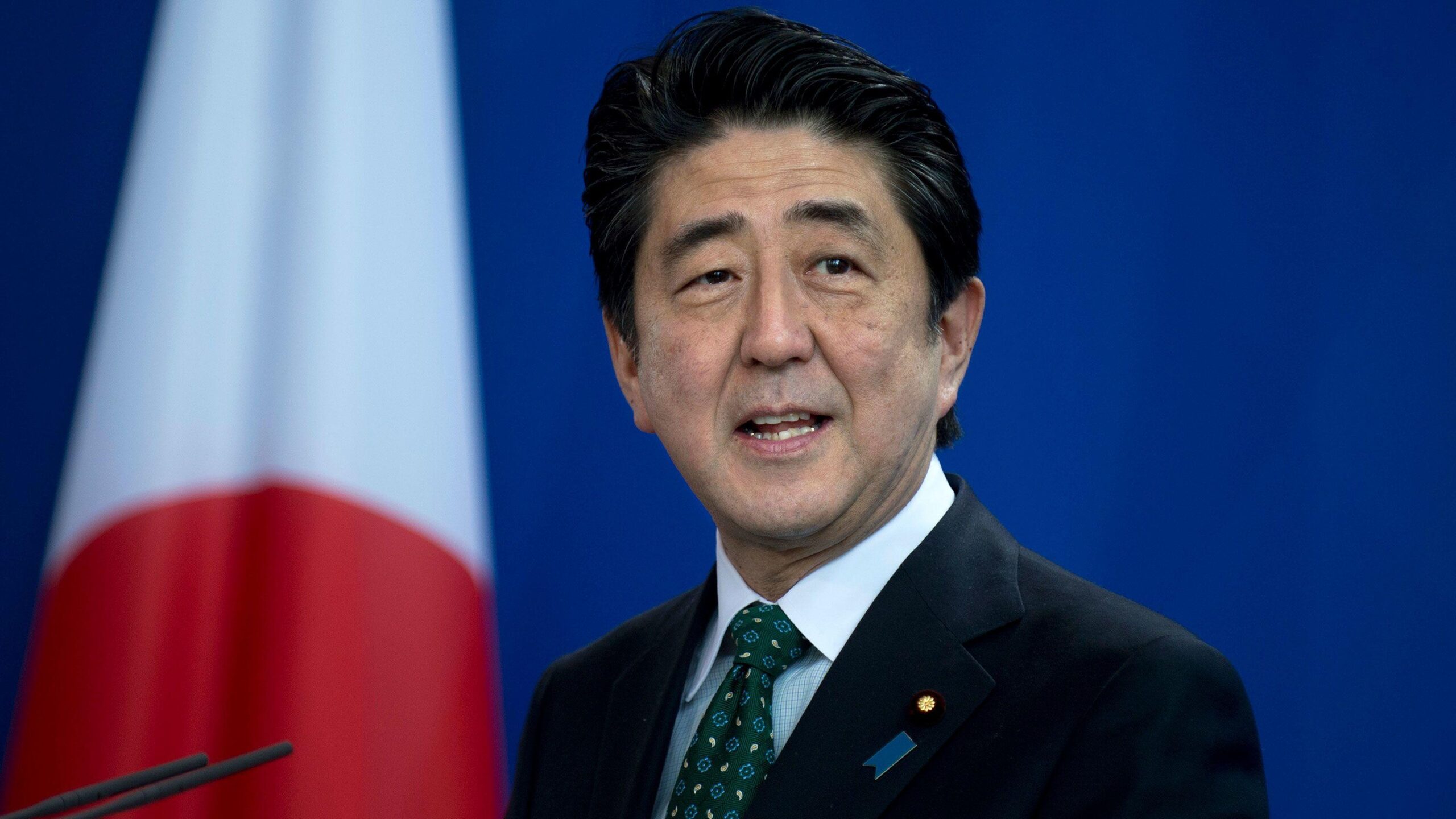
Shinzo Abe, Japan’s longest-serving prime minister, left an indelible mark on both Japanese politics and international relations. His policies and leadership style paved the way for significant economic reforms and a more assertive foreign policy. Understanding Abe’s influence is crucial as Japan navigates its role on the global stage following his assassination and the subsequent political shifts.
Abe’s Economic Policies: Abenomics
One of Abe’s most notable contributions was his economic strategy known as ‘Abenomics’. This multi-pronged approach aimed to revitalize Japan’s economy which had stagnated for decades. Abenomics focused on three main areas: aggressive monetary easing, fiscal stimulus, and structural reforms. Despite mixed results, Abenomics set the foundation for Japan’s recovery and growth during his time in office.
Foreign Relations and Defense
Under Abe’s leadership, Japan adopted a more assertive foreign policy. His administration strengthened alliances with the United States and other nations while also advocating for Japan’s right to collective self-defense. This was a significant shift from Japan’s post-World War II pacifist stance and aimed at countering regional threats, particularly from North Korea and China.
His Assassination and Political Impact
On July 8, 2022, Shinzo Abe was tragically assassinated during a campaign speech, shocking the nation and the world. His death halted a significant political journey that influenced a generation of Japanese politicians. The assassination also prompted discussions around security and political violence in Japan, a country known for its low crime rates and stringent gun laws.
Conclusion: The Future of Japanese Politics
Abe’s legacy continues to shape Japan’s political landscape. His emphasis on economic revitalization and national security may influence future leaders and their policies. As Japan grapples with the implications of his passing, the focus shifts to how his successors will adhere to or diverge from his vision. Understanding Abe’s impact is essential for comprehending the political currents that will affect Japan as it steps forward into a rapidly changing global context.