
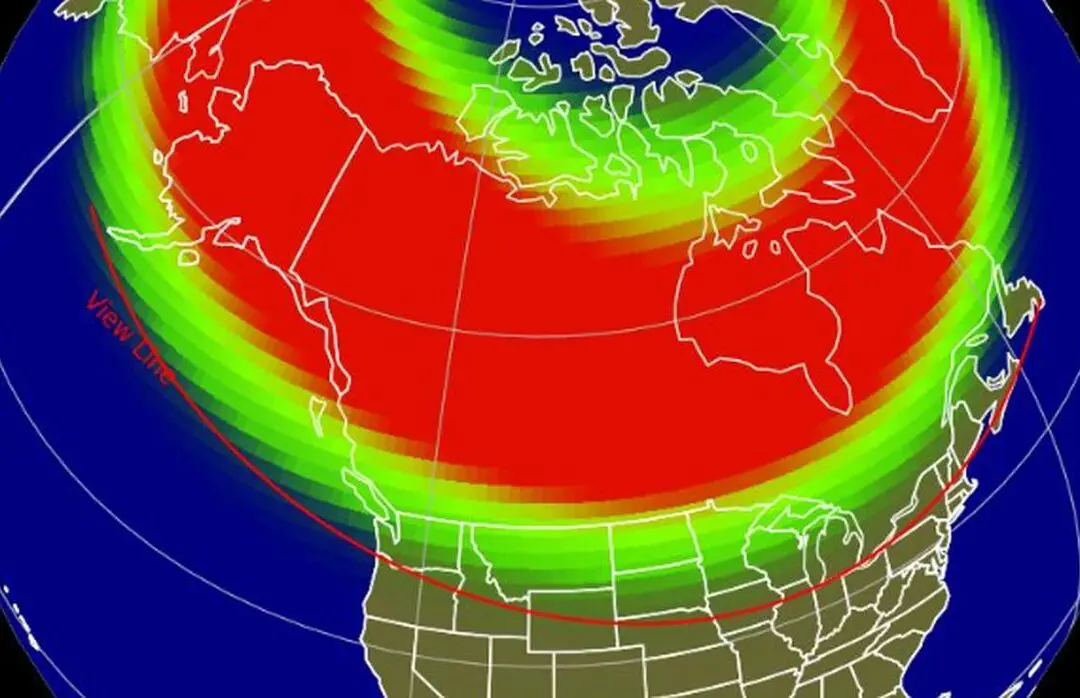
Understanding the Geomagnetic Storm Alert
On October 24, 2023, scientists from the National Oceanic and Atmospheric Administration (NOAA) issued a severe geomagnetic storm alert due to an unexpectedly strong solar flare that occurred earlier in the week. Such storms are significant because they can disrupt satellite communications, navigation systems, and power grids on Earth. During periods of heightened solar activity, the Earth’s magnetosphere can become destabilized, potentially leading to significant effects on technology and infrastructure.
The Cause of the Alert
The alert follows a series of coronal mass ejections (CMEs) that were observed firing from the sun, directed toward Earth. These massive bursts of solar wind and magnetic fields can generate powerful magnetic disturbances when they interact with the Earth’s magnetic field. The NOAA reported that the storm is expected to peak within 24 to 48 hours after the initial alert, with forecasts indicating a potential rank of G4 to G5 on the NOAA’s scale of geomagnetic storms, where G5 represents extreme conditions.
Potential Impacts
Experts warn that during this severe geomagnetic storm, northern lights, or auroras, may be visible further south than usual, offering a rare spectacle for residents in regions typically deprived of such displays. However, the potential technological disruptions are of greater concern. Authorities fear that satellites may experience communication issues, and that high-frequency radio transmissions could be disrupted. Additionally, power companies are on high alert to monitor and mitigate issues that may arise from induced currents in power lines.
Advice for the Public and Preparations
In light of the storm alert, NOAA and emergency management agencies are advising those within affected areas to prepare for potential communications disruptions. Aviation routes may also be altered to avoid high-radiation areas. People are encouraged to remain informed through NOAA’s updates and to have contingency plans in place, especially if they rely heavily on technology for daily activities.
Looking Ahead
As solar cycle 25 continues to progress, experts believe that geomagnetic storm alerts will become more frequent. The importance of preparedness cannot be understated, and as we become more reliant on technology and communication systems, understanding space weather is crucial. Experts emphasize the need for ongoing research and monitoring of solar activity to predict severe geomagnetic storms better and reduce their potential impacts.
For those interested in following this storm closely, NOAA provides real-time updates on geomagnetic conditions and advice on how to protect both personal and public infrastructure during these cosmic events.