
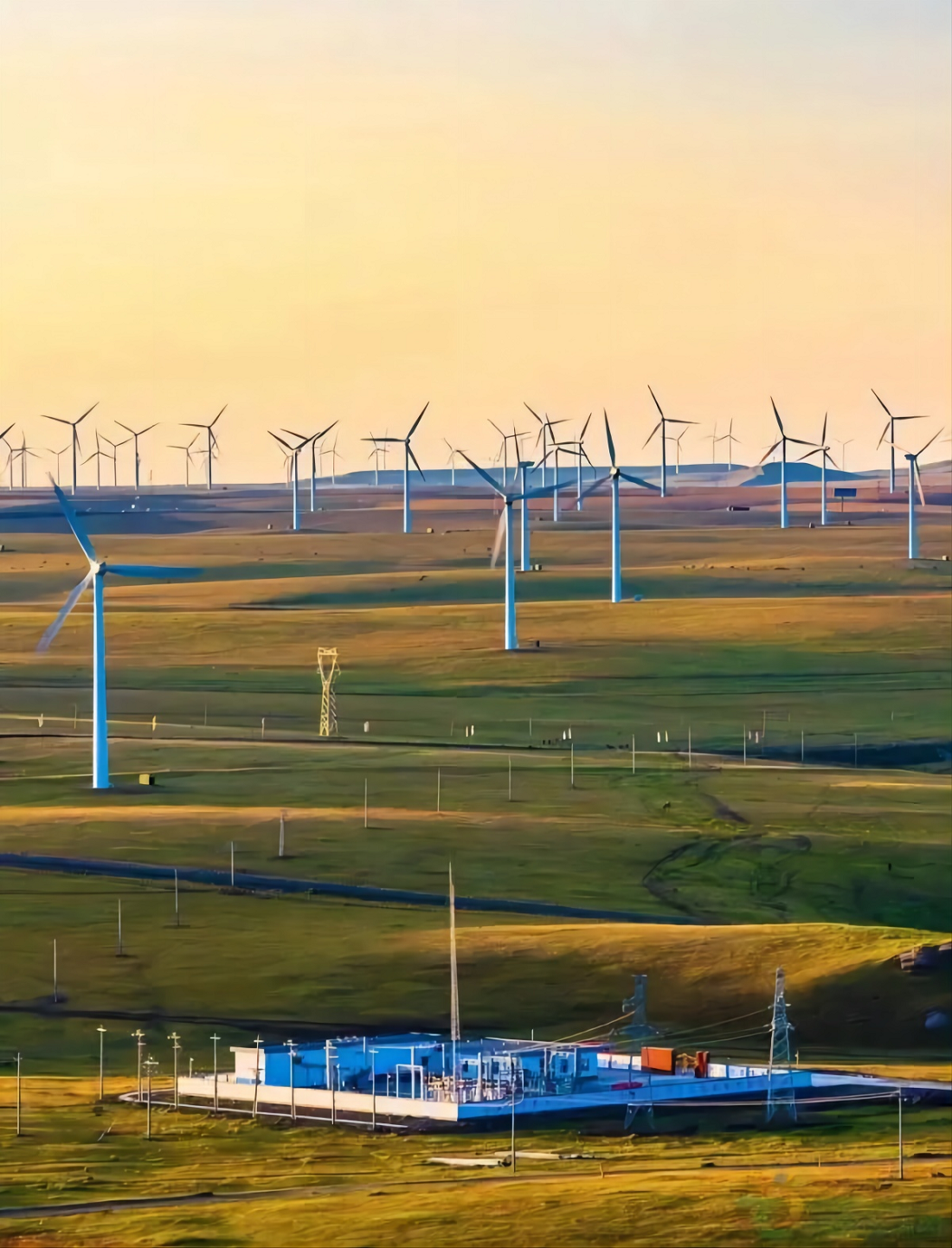
Importance of Wind Farms in China
As global climate change continues to challenge energy infrastructures worldwide, China’s wind farms have emerged as a cornerstone of the nation’s renewable energy strategy. With its vast land and favorable wind conditions, China has invested heavily in wind energy to reduce its reliance on fossil fuels, enhance energy security, and combat air pollution. The relevance of this topic is underscored by China’s commitment to achieving carbon neutrality by 2060 and its goal of reaching peak carbon emissions before 2030.
Current Developments in China’s Wind Energy Sector
According to the latest report from the Global Wind Energy Council, China accounted for over 50% of the global wind capacity added in 2022, bringing its total installed wind capacity to approximately 300 gigawatts (GW). The country has implemented ambitious projects, such as the Gansu Wind Farm and the Jiuquan Wind Power Base, which are among the largest in the world. These projects not only contribute to power generation but also create employment opportunities and stimulate local economies.
In addition to onshore wind farms, China is making significant strides in offshore wind energy. The East China Sea is becoming a hub for offshore wind projects, with the government aiming to install over 50 GW of offshore wind capacity by 2030. This shift toward offshore wind is significant, given that it generally provides stronger and more consistent wind resources compared to onshore projects.
Challenges and Future Outlook
Despite the rapid expansion of wind farms, challenges still lie ahead. Integration of wind energy into the national grid requires substantial investment in infrastructure and technology Improvements in energy storage solutions are also necessary to mitigate the intermittent nature of wind power. Furthermore, competing land use, particularly for agriculture, poses an ongoing challenge for developers.
Looking ahead, experts predict that China will likely maintain its leadership position in the global wind energy market. Continued government support, technological advancements, and international collaboration will play pivotal roles in driving growth. The emphasis on renewables will not only address energy needs but also enhance environmental sustainability.
Conclusion
The development of wind farms in China signifies more than just a transition to renewable energy; it represents a commitment to a sustainable future. As China continues to scale up its wind energy production, the implications for global energy trends and climate action are profound, marking a critical step toward a cleaner, greener planet.