
Introduction
Somalia, a country located in the Horn of Africa, has been the spotlight of international news due to its ongoing political instability and humanitarian challenges. With a history of civil war, terrorism, and famine, understanding the current situation in Somalia is crucial for appreciating the complexity of its issues and the efforts needed for recovery and stability.
Current Political Landscape
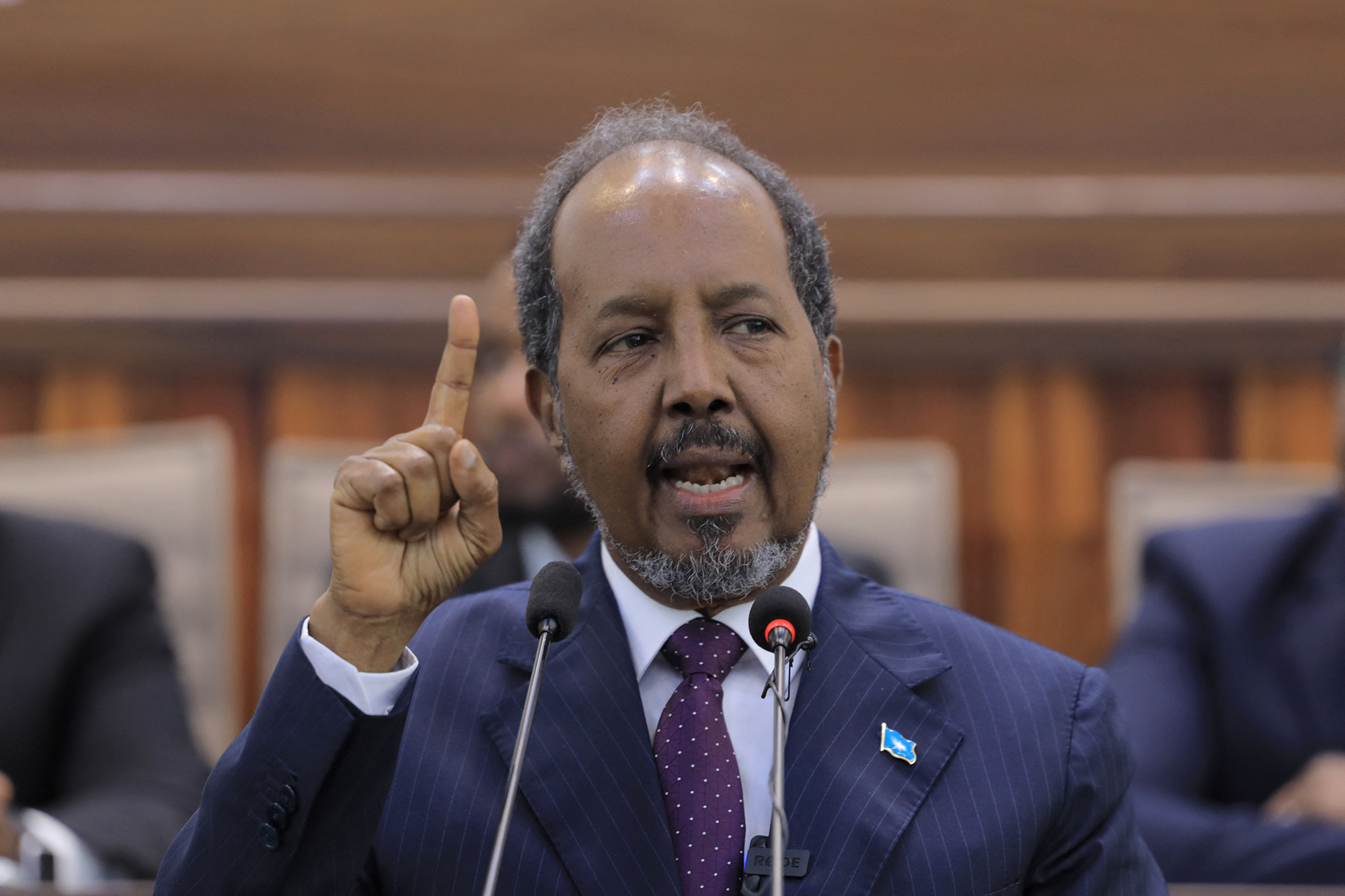
In recent weeks, Somalia has been engulfed in political unrest, primarily driven by disputes regarding the presidential elections, which were supposed to be held in early 2023. The country is currently led by President Hassan Sheikh Mohamud, who has faced criticism over his administration’s inability to tackle corruption and ensure safety for its citizens. Key events include anti-government protests in various cities and calls for more inclusive governance, especially from regional states that feel marginalized.
Humanitarian Issues
Somalia is also grappling with severe humanitarian crises. According to the United Nations, over 7 million people, nearly half of the population, are in need of urgent assistance due to prolonged drought and conflict. The drought, exacerbated by climate change, has led to significant food shortages, with millions facing acute hunger and malnutrition. The influx of internally displaced persons (IDPs) fleeing violence and seeking refuge further complicates the humanitarian situation.
Organizations such as the World Food Programme (WFP) are working on the ground to provide food aid and address the immediate needs of the population. However, funding shortages and security challenges impede effective delivery.
International Response and Forward Outlook
The international community has expressed concern over the ongoing situation in Somalia. The African Union Mission in Somalia (AMISOM), which has been active in stabilizing the region, is set to transition to a new support mission, reflecting an effort to empower local forces. Meanwhile, countries such as the United States and the United Kingdom are reassessing their aid strategies in light of local governance issues.
Looking forward, analysts suggest that for Somalia to achieve long-lasting peace and prosperity, it must foster political unity and meaningful dialogue among its various political factions. Furthermore, addressing the root causes of humanitarian crises, such as improving infrastructure and healthcare, will be critical for the country’s recovery.
Conclusion
The situation in Somalia remains fluid, with significant challenges ahead. For those following global affairs, understanding the complexities of Somalia’s political and humanitarian crises in 2023 is vital. Increased advocacy and support are essential not only to navigate these crises but also to pave the way towards a more stable future for this resilient nation.