
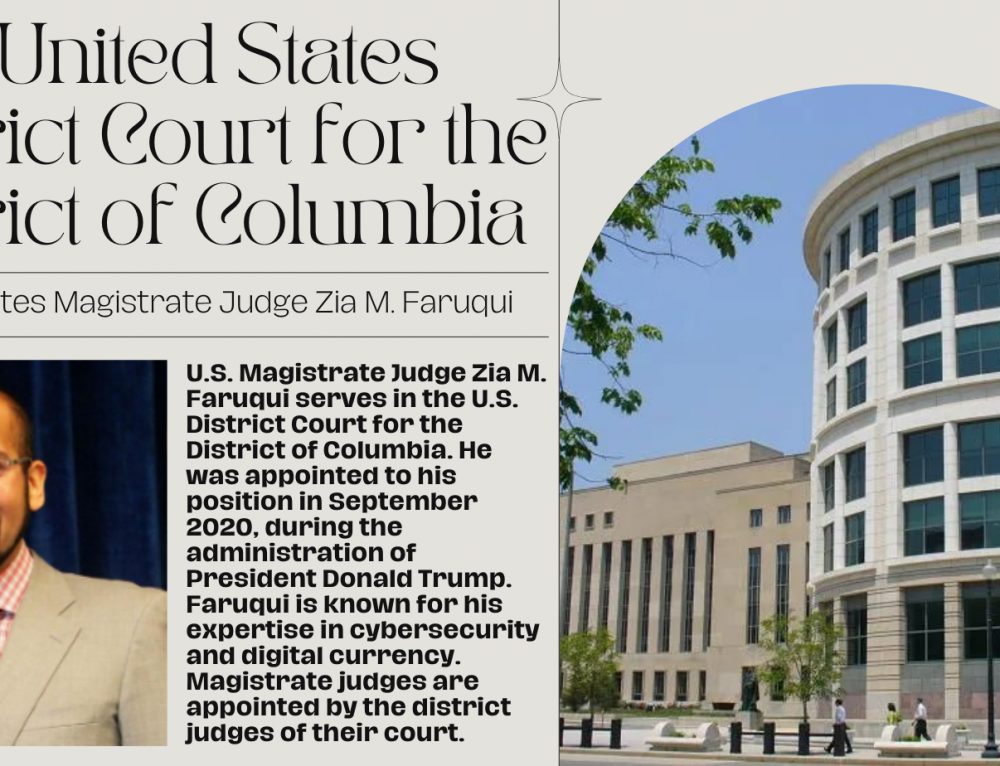
Introduction to the ICE Ruling
In a landmark decision that has garnered significant attention, Judge Jia Cobb of the U.S. District Court for the District of Columbia recently issued a ruling impacting the activities of U.S. Immigration and Customs Enforcement (ICE). This decision is particularly relevant as it underscores the ongoing debates surrounding immigration policy and the enforcement practices of federal agencies.
The Ruling Details
Judge Cobb’s ruling arose from a case involving the detention practices employed by ICE, specifically addressing concerns related to the treatment of individuals in custody. The judge concluded that ICE’s current procedures could violate the constitutional rights of detainees.
In her written opinion, Cobb highlighted several examples of due process violations, including inadequate access to legal representation and insufficient opportunities to contest detention decisions. The ruling orders ICE to implement more transparent and fair practices, which advocates say is a significant step toward reforming the agency’s operations.
Reactions from Stakeholders
Reactions to Judge Cobb’s ruling have spanned the spectrum of the immigration debate. Advocates for immigrant rights praised the decision, viewing it as a necessary check on ICE’s authority and a move toward more humane treatment of detainees. Critics, however, fear that the ruling may hinder immigration enforcement efforts, potentially releasing individuals who pose a risk to public safety.
Organizations such as the American Civil Liberties Union (ACLU) and various immigrant advocacy groups have lauded the decision, stating that it affirms the importance of due process in immigration proceedings. On the other hand, officials from ICE and some lawmakers have expressed concerns that this ruling could complicate and slow down enforcement operations, which they argue are essential for national security.
Conclusion and Implications
Judge Jia Cobb’s ruling is seen as a pivotal moment in the ongoing discourse surrounding immigration policy in the United States. As the case progresses and further implications of the ruling unfold, it may set a precedent for how federal agencies like ICE operate. The anticipation surrounding future litigation and adjustments within ICE highlights the broader conversation about balancing immigration enforcement with the civil rights of individuals.
This ruling may serve as a critical reference point for both legal challenges against ICE and potential legislative reforms in immigration law. For individuals affected by these policies, the ruling indicates a shift towards greater oversight and accountability in immigration enforcement practices.