
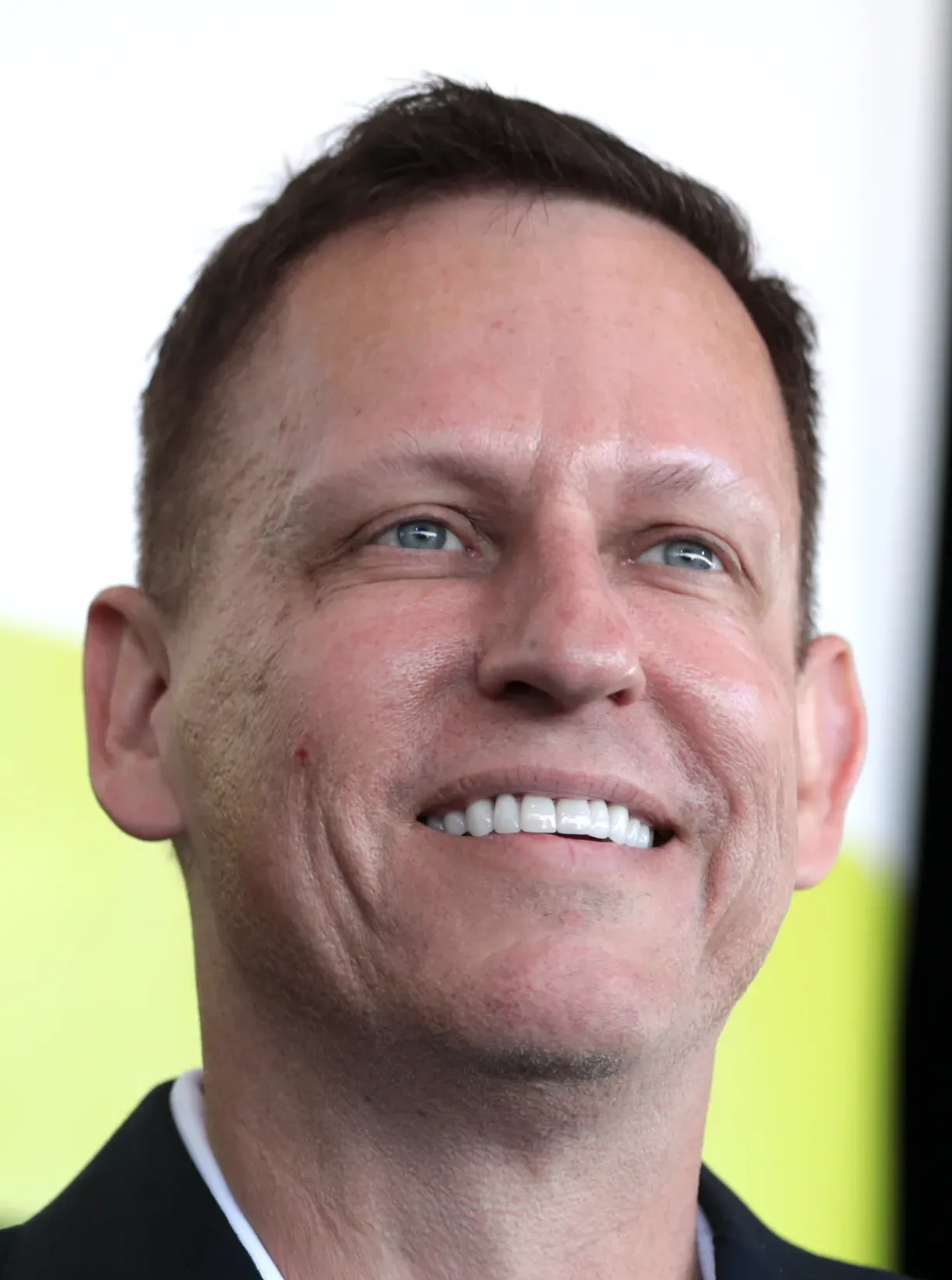
Who is Peter Thiel?
Peter Thiel is a prominent entrepreneur, venture capitalist, and political activist best known for co-founding PayPal and Palantir Technologies. Born in Frankfurt, Germany, in 1967, he moved to the United States with his family when he was one year old. Thiel graduated from Stanford University with a Bachelor’s degree in Philosophy and later earned his J.D. from Stanford Law School.
Thiel’s Role in the Tech World
Thiel’s breakthrough came in the late 1990s and early 2000s with the establishment of PayPal, where he served as CEO and played a key role in its 2002 sale to eBay for $1.5 billion. This success allowed him to explore other ventures, and he was instrumental in funding early-stage startups through his venture capital firm, Founders Fund. His foresight in investing in companies like Facebook, LinkedIn, and SpaceX has solidified his reputation as a savvy investor.
Political Influence and Controversy
Beyond his business endeavors, Thiel has gained notoriety for his political beliefs and activism. He was a prominent supporter of Donald Trump’s presidential campaign in 2016, embracing a libertarian-leaning agenda that advocates for individual freedom and skepticism towards government intervention. However, his political involvement has drawn both support and backlash, reflecting the polarized nature of contemporary American politics.
Current Ventures and Future Outlook
In 2023, Thiel remains active in the tech and investment sectors, focusing on advancements in artificial intelligence and biotechnology. His recent investments indicate a preference for innovations that challenge existing paradigms, emphasizing the importance of technology in solving societal problems. As technology continues to shape economies and cultures around the world, Thiel’s influence is likely to persist, making him a key figure to watch in the coming years.
Conclusion
Peter Thiel’s impact on technology and investment is undeniable, with numerous successful ventures and a bold political stance. As technologies evolve, his approach to innovation and his investment philosophy will continue to influence emerging markets and entrepreneurial landscapes. For readers interested in the future of technology, keeping an eye on Thiel’s contributions and ventures will provide insights into the shifting paradigms of the industry.