
Introduction
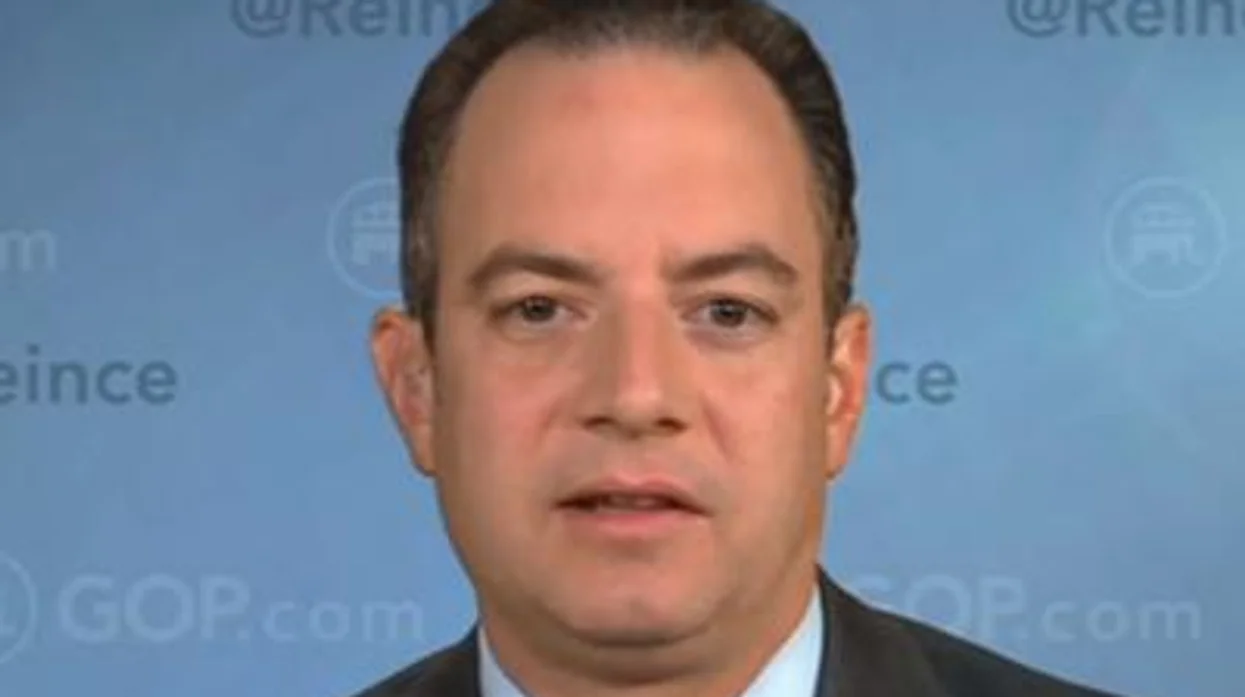
Reince Priebus, a prominent figure in American politics, has played a crucial role in shaping the Republican Party’s direction in recent years. As the former Chairman of the Republican National Committee (RNC) and White House Chief of Staff under President Donald Trump, Priebus’s influence and decision-making have had lasting effects on the GOP. Understanding his career and contributions sheds light on the current political landscape as the party navigates its future.
Career Overview
Born on March 18, 1972, in Kenosha, Wisconsin, Reince Priebus earned his law degree from the University of Wisconsin-Madison. His early political career began at the Wisconsin state party level, where he quickly rose through the ranks due to his organizational skills and strategic thinking. In 2011, he was elected as the Chairman of theRNC, a position he held until 2017. During his tenure, Priebus focused on improving the party’s outreach to minority communities and securing major wins in the 2014 midterm elections.
Role in the Trump Administration
Following Trump’s victory in the 2016 presidential election, Priebus was appointed as the Chief of Staff, where he encountered numerous challenges in managing a diverse and often fractious administration. His ability to bring together various factions within the party was tested amid controversial policy decisions and outspoken personalities surrounding Trump. Despite facing difficulties, Priebus played a key role in establishing the administration’s first budget proposal and initiating the repeal of the Affordable Care Act, showcasing his influence on significant congressional actions.
Recent Developments and Legacy
In July 2017, Priebus was dismissed from his role as Chief of Staff, a decision that reflected the ongoing turbulence within the Trump administration. Priebus’s departure marked the end of an era that left many wondering about the future path of the RNC and the broader party dynamics. Currently, Priebus is involved in various speaking engagements and continues to provide insights into political strategy and party unity, especially as the GOP prepares for future elections.
Conclusion
Reince Priebus’s journey from a local party leader to one of the most influential figures in modern American politics illustrates the complexities of party dynamics in today’s climate. His experiences offer valuable lessons on leadership, strategy, and the challenges of uniting various factions within a political party. As the Republican Party looks ahead, understanding the impact of figures like Priebus will be essential for navigating the evolving political scene and maintaining electoral competitiveness.