
Introduction
Mary Shelley’s novel “Frankenstein” was published in 1818 and has since become a cornerstone of both Gothic literature and popular culture. Its exploration of themes such as creation, responsibility, and the ethical dilemmas posed by scientific advancement continue to resonate today, making it more relevant than ever. As modern technology pushes the boundaries of what is possible—be it artificial intelligence, genetic engineering, or biotechnology—the reflections of Shelley’s tale remind us of the moral implications our innovations bring.
Overview of the Novel
“Frankenstein” tells the story of Victor Frankenstein, a young scientist who creates a sentient creature through an unorthodox experiment in reanimation. The monster, rejected by society and his creator, ultimately seeks vengeance, leading to tragic consequences. The narrative delves into human ambition, the thirst for knowledge, and the dark side of scientific exploration, suggesting that there can be dire repercussions when humanity plays god.
Modern Adaptations and Interpretations
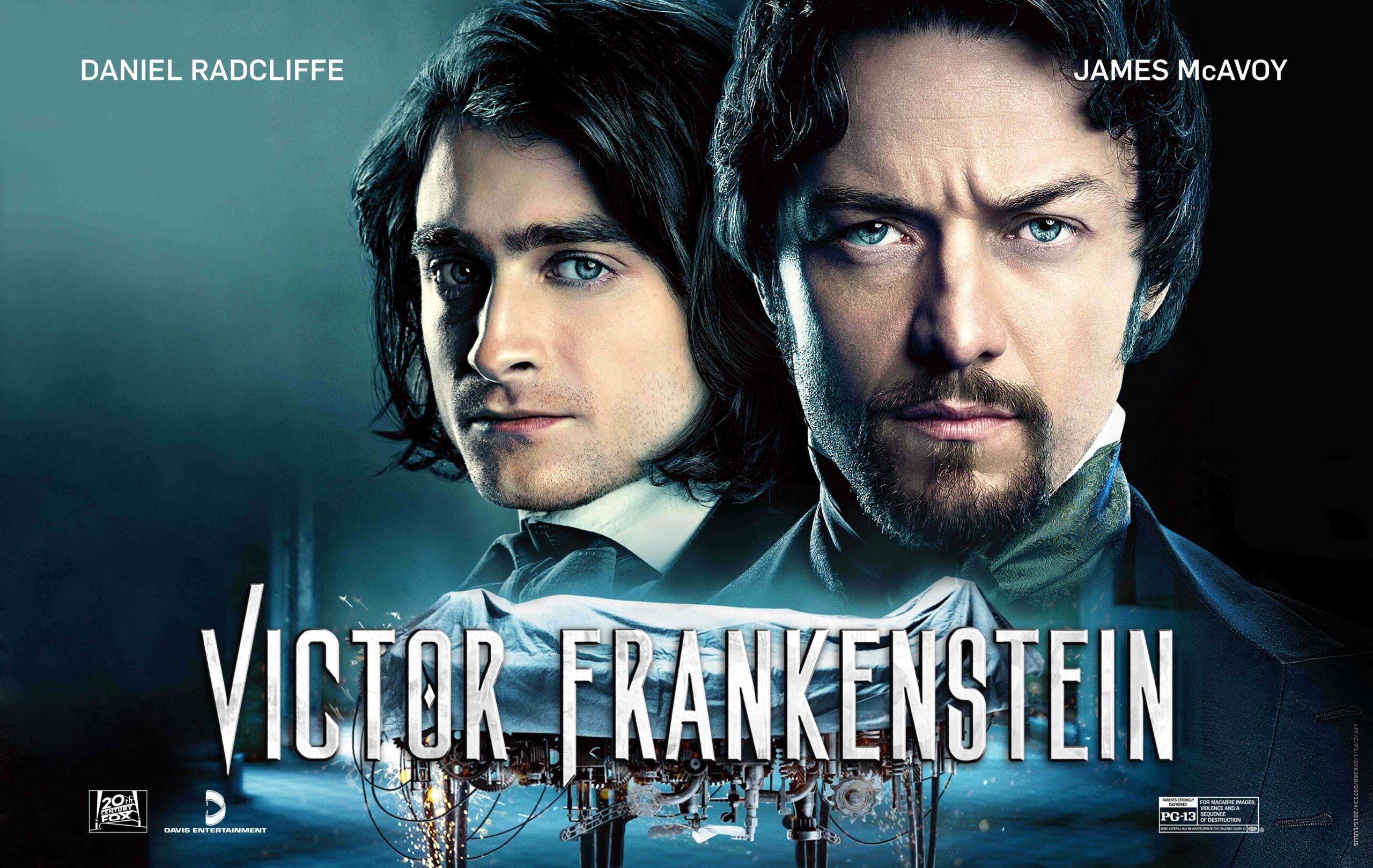
In recent years, multiple adaptations of “Frankenstein” have emerged across various media, including film, television, and theater. These new interpretations reflect contemporary issues, such as the ethical concerns surrounding genetic engineering and AI technology. For instance, the 2015 film “Genius” explores the line between creative genius and madness, paralleling Shelley’s themes while incorporating modern scientific advancements. Additionally, adaptations like the Broadway musical “Frankenstein” demonstrate the story’s versatility and relevance in artistic expressions.
Frankenstein’s Impact on Science and Ethics
The cautionary tale of Frankenstein extends beyond literature and entertainment—it has implications in real-world scientific discourses. As scientists grapple with the potential of cloning, gene editing, and artificial intelligence, the ethical questions raised by Shelley’s work are often cited in debates about responsibility and the limits of innovation. Institutions now emphasize a philosophy of responsible research, echoing the fears voiced in the novel regarding the neglect of ethical considerations in the pursuit of knowledge.
Conclusion
Through its rich themes and moral inquiries, “Frankenstein” remains a powerful lens through which to examine our relationship with technology and nature. As we navigate an increasingly complex scientific landscape, the foundational questions raised by Mary Shelley serve as a reminder to ensure that, in our quest for progress, we remember the ethical dimensions of our creations. The relevance of “Frankenstein” in today’s society is not just historical but a necessary conversation about the future we are creating.