
Introduction
As we dive into the new academic year, the issue of school closures within the Chicago Public Schools (CPS) system remains a pertinent topic for many families. With ongoing discussions around resource allocation, safety measures, and educational quality, understanding the implications of CPS school closures is crucial for parents, students, and educators alike.
Current Situation
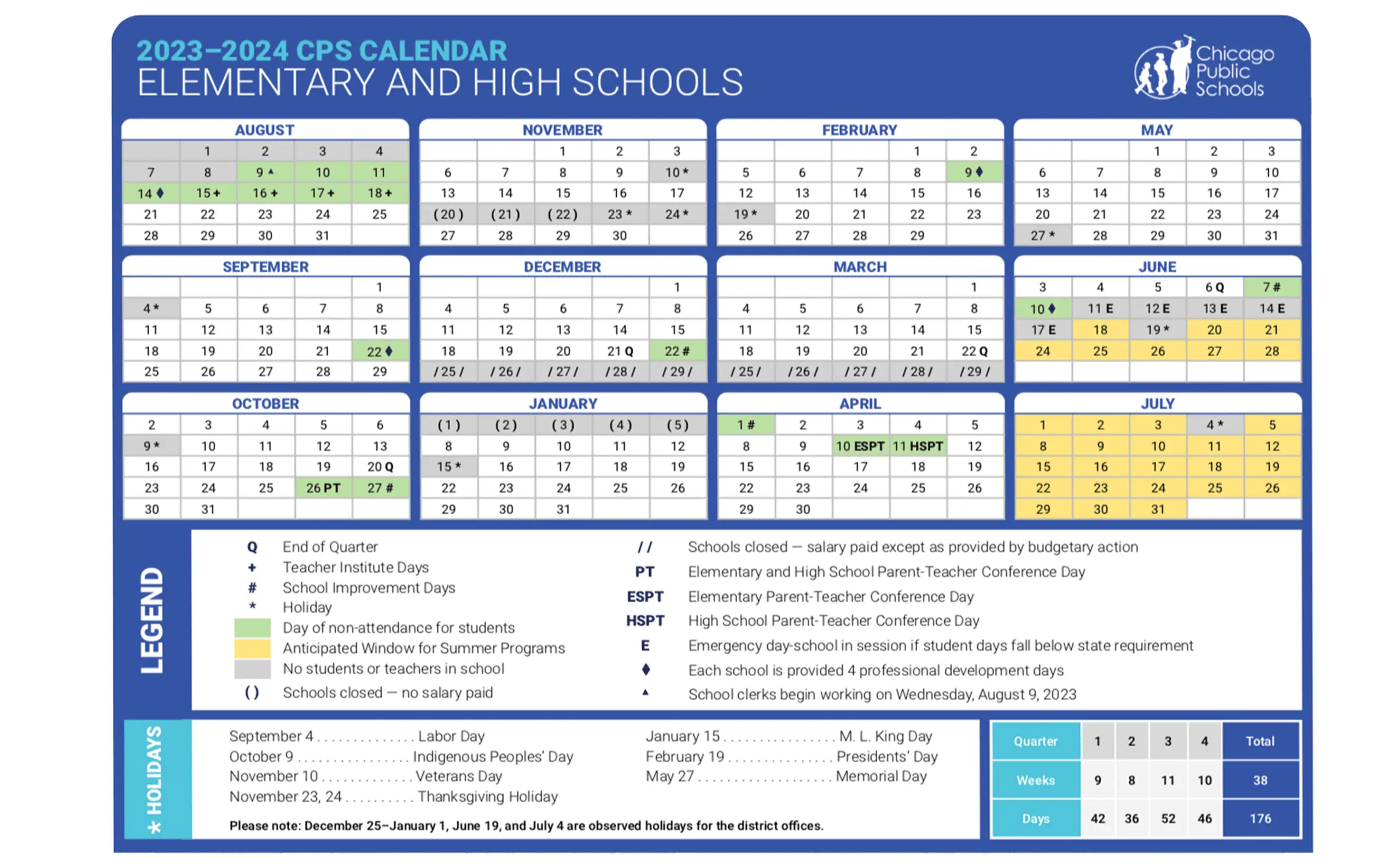
In September 2023, CPS announced a series of temporary school closures due to rising COVID-19 cases in certain neighborhoods. The decision comes in response to health guidelines and aims to prioritize the safety of students and staff. These closures have led to significant disruptions in the academic calendar and have raised concerns among parents about continuity in education.
In total, five schools are currently closed, impacting approximately 1,500 students and their families. Staff members are working hard to create alternatives, such as virtual learning resources and community engagement initiatives, to support affected students during this period. School officials are continuously assessing the situation with local health authorities to determine a safe timeline for reopening.
Impact on Families and Students
The temporary closure of CPS schools has generated a wave of responses from parents and guardians. Many have expressed concern over childcare difficulties, especially for working parents. Additionally, the education gap may widen for those students who rely heavily on in-person instruction and support services available at schools.
Community organizations have stepped in to assist families during this challenging time, offering resources such as online tutoring and mental health support. These efforts aim to mitigate the negative effects of prolonged school closures on academic performance and emotional well-being.
Looking Ahead
As discussions regarding the future of CPS schools continue, it is essential for parents and community members to stay informed and involved. The district is hosting a series of town hall meetings to gather feedback and share information on plans to address school closures, including strategies for improving ventilation and sanitation in CPS facilities.
While the uncertainty surrounding school closures can be stressful, it is also an opportunity for constructive dialogue between educators, parents, and policymakers. By working together, the community can help shape a safe and effective educational environment for all students.
Conclusion
In conclusion, the current CPS school closures highlight the ongoing challenges faced by public education systems in response to health crises. Staying informed on school policies and actively participating in community discussions can help parents and students navigate these changes effectively. It remains to be seen how the district will adapt to ensure that all students can continue to thrive, but the collaboration between families, schools, and local organizations offers a glimmer of hope for a brighter educational future.