
The Importance of Earthquakes Monitoring
Earthquakes are natural disasters that can cause significant destruction and loss of life. Today, as urban areas expand and populations increase, monitoring seismic activity has never been more critical. This understanding helps in disaster preparedness and risk mitigation.
Recent Earthquake Events
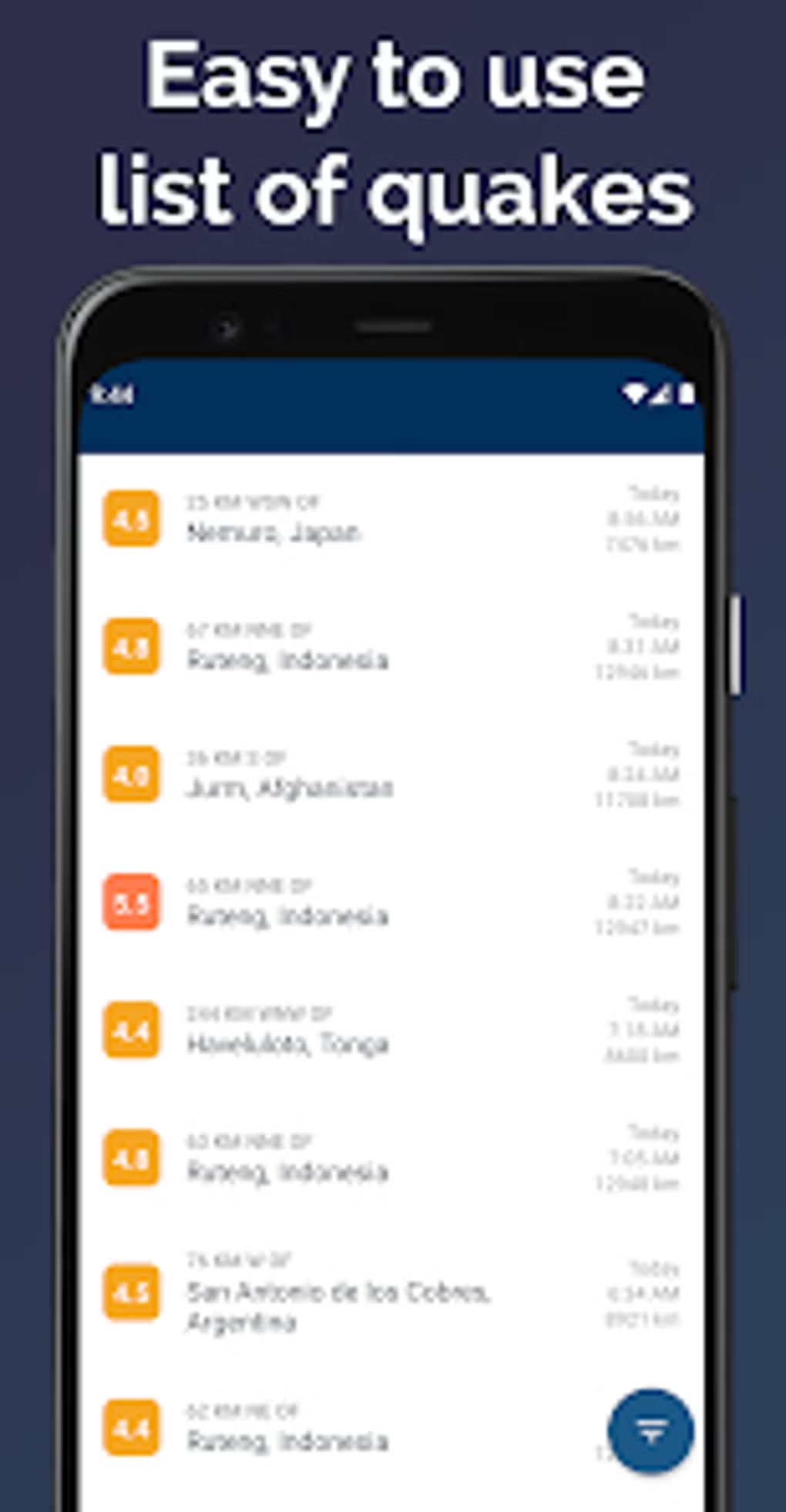
As of today, reports of seismic activity have been recorded across various regions. Notably, a 6.5 magnitude earthquake struck off the coast of Chile this morning, leading to widespread alerts and emergency procedures. Fortunately, initial reports indicate no serious injuries or significant damage, but the event did serve as a reminder of the ever-present risk in seismically active zones.
Another significant quake, measuring 5.8, hit near the eastern coastline of Japan just a few hours ago, prompting precautionary measures in nearby coastal cities. While Japan has stringent building codes and preparedness plans, the event underscored the importance of remaining vigilant in the face of natural disasters.
Impact on Communities
The impact of earthquakes is not only measured in immediate physical damage but also in long-term effects on communities. Many regions, especially those that are frequently impacted, suffer from economic and psychological repercussions. Recovery can take years, with extensive efforts required for rebuilding infrastructure and homes.
Technological Advancements in Seismology
Advancements in technology have greatly improved our capacity to detect and respond to earthquakes. Early warning systems have been developed to alert populations seconds before a quake strikes. Such systems have been successfully implemented in areas prone to high seismic activity, including California and Japan. These technologies offer valuable seconds that can save lives and reduce injuries.
Conclusion: Preparedness is Key
As we continue to experience earthquakes worldwide, staying informed is crucial for public safety. Communities must prioritize disaster preparedness education, invest in resilient infrastructure, and support technological advancements in earthquake monitoring. Whether through government initiatives or community programs, educating individuals on emergency responses remains vital. The threat of earthquakes today serves as a call to action for preparedness globally—because when the earth shakes, the resilience of our systems is put to the test.