
Introduction
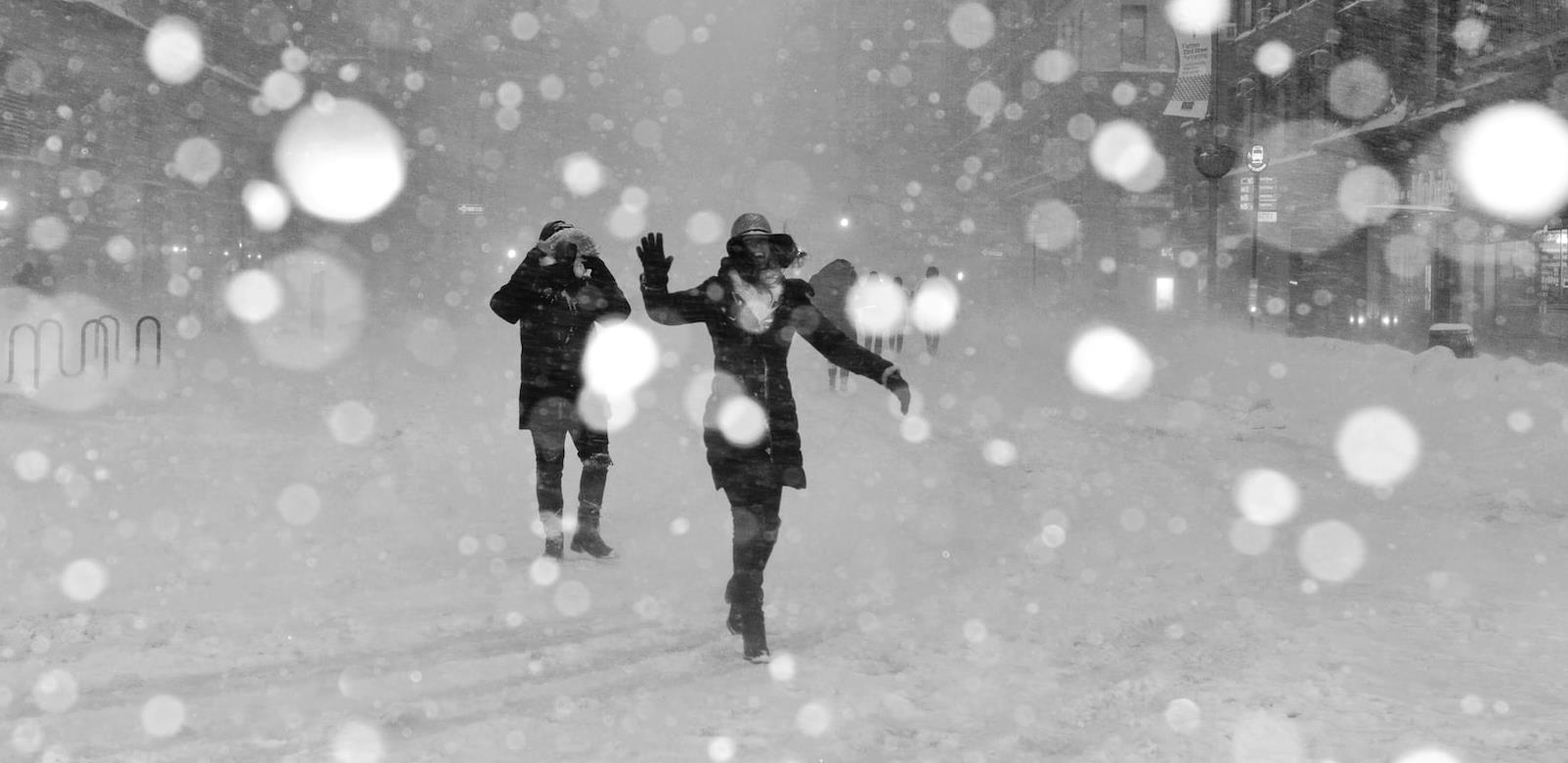
Inclement weather is a term that encompasses a range of severe weather conditions, including heavy rain, snow, ice storms, and severe winds. As global climate patterns shift, incidents of inclement weather are becoming more frequent, posing significant challenges to daily life and safety. Understanding the implications of such weather is crucial for individuals, families, and communities.
Recent Events of Inclement Weather
In the past month alone, several regions across the United States have experienced extreme weather events. For example, the Midwest faced a powerful winter storm that brought record snowfall and ice, causing widespread school closures and power outages. Furthermore, southern states have been battling heavy rains leading to flash floods, which displaced residents and caused significant property damage.
According to the National Weather Service (NWS), severe weather warnings have increased by 23% in the last decade, illustrating the growing urgency of preparedness and response strategies. Government agencies have been mobilizing resources to respond to these challenges. Emergency services have been put on high alert, and citizens have been advised to stay informed through local news and weather apps.
Effects on Daily Routines and Travel
Inclement weather significantly impacts daily routines, especially with travel. Airlines frequently cancel flights during severe storms, as seen during the recent winter storm that affected holiday travel plans. Major highways often require closures due to dangerous driving conditions, leading to lengthy delays and detours.
Beyond travel, businesses also feel the sting of inclement weather. Retail sectors can see fluctuations in sales as consumers are often reluctant to venture out in extreme conditions. Conversely, industries like snow removal and heating services may experience increased demand as they cater to the needs arising from harsh weather.
Safety and Preparedness
With inclement weather on the rise, safety measures become paramount. Experts recommend that individuals prepare emergency kits, develop communication plans, and stay updated with weather forecasts. Community preparedness programs can significantly help reduce the impact of inclement weather, fostering resilience in affected areas.
Conclusion
Ultimately, as climate change continues to alter weather patterns, the occurrence and severity of inclement weather are likely to escalate. Being informed and prepared is crucial for mitigating its effects on daily life and ensuring safety. By adapting our strategies and communities to cope with these conditions, we can navigate the challenges presented by inclement weather more effectively.