
Introduction
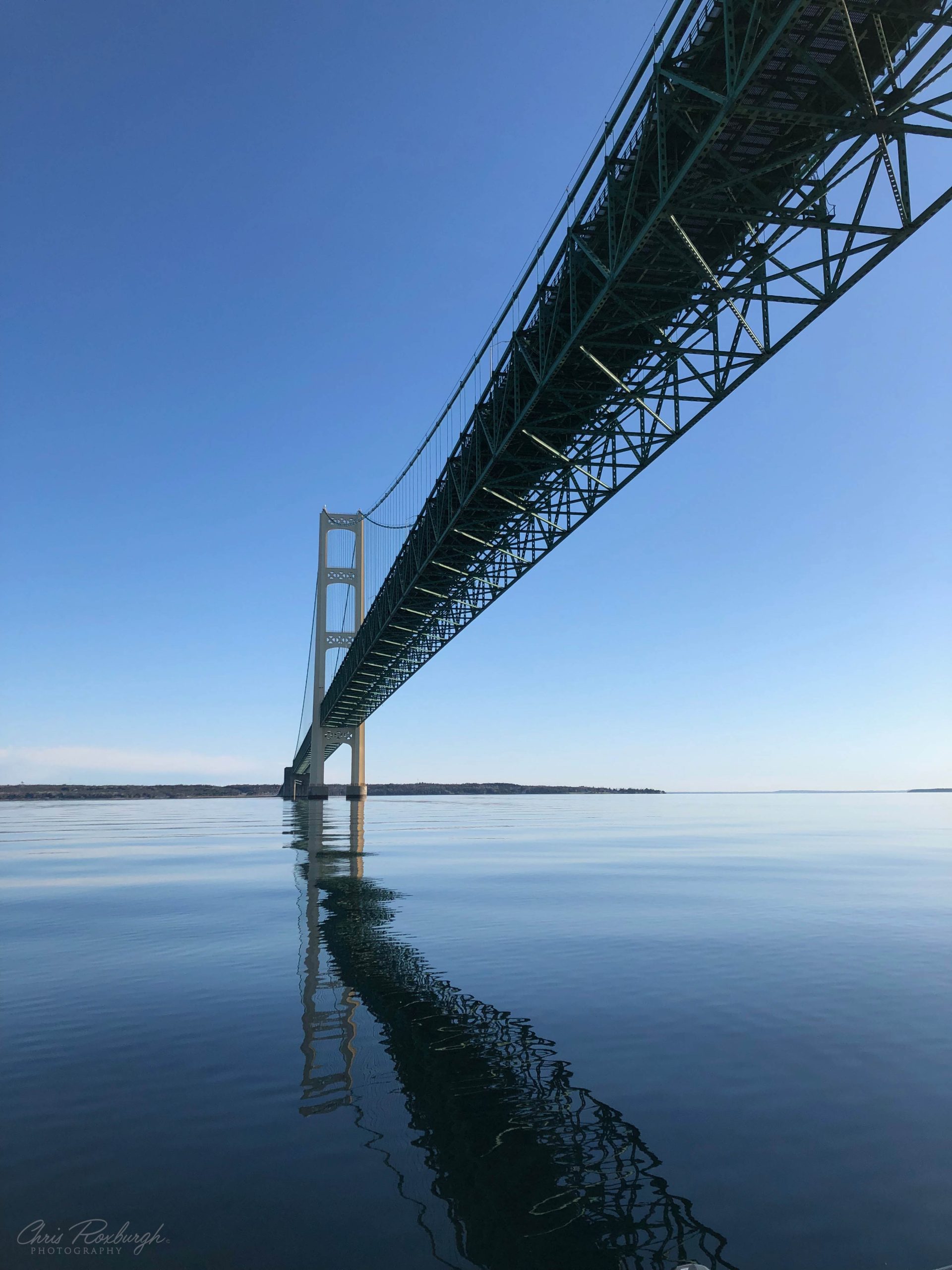
The Mackinac Bridge, completed in 1957, stands as a remarkable symbol of engineering prowess and a vital lifeline connecting Michigan’s Upper and Lower Peninsulas. Spanning 26,372 feet, it is the fifth-longest suspension bridge in the world and has become an iconic landmark, attracting tourists and serving as a critical transport route. Its significance extends beyond mere utility, embodying regional pride and connectivity.
Bridge Features and Construction
The Mackinac Bridge boasts a main span of 3,800 feet, with twin towers reaching 552 feet into the sky. Construction began in 1954 and faced numerous challenges, including harsh weather conditions and engineering hurdles. The project involved over 3,500 workers who faced daunting tasks, including the assembly of massive cables that can withstand high winds and heavy vehicle traffic.
Tourist Attraction and Events
The bridge is not only a practical structure but also a popular tourist destination, drawing visitors from around the world. Each year, tourists flock to walk the bridge during the annual Mackinac Bridge Walk, held on Labor Day. This event, which allows pedestrians to traverse the bridge, draws thousands and promotes community spirit. Furthermore, the scenic views of Lake Huron and the Straits of Mackinac make it a favored spot for photographers and nature lovers alike.
Economic and Cultural Impact
The Mackinac Bridge plays a crucial role in local economies, facilitating trade and tourism. It supports the connectivity of businesses and services between the two peninsulas, enhancing prospects for growth in tourism-dependent areas like Mackinac Island and St. Ignace. Culturally, the bridge has become a part of Michigan’s identity, featured in various forms of art, literature, and media, symbolizing resilience and progress.
Conclusion
As the Mackinac Bridge continues to serve as a vital transportation link and cultural icon, its engineering significance and aesthetic appeal remain enduring sources of pride for the people of Michigan. With ongoing maintenance and preservation efforts, the bridge is set to remain a prominent feature of the Great Lakes region for generations to come. As a result, it is essential for both residents and visitors to appreciate its role, not just as a bridge, but as a testament to human ingenuity and regional unity.