
Introduction
Gross Domestic Product (GDP) serves as a crucial indicator of a country’s economic performance, reflecting its overall economic health and standard of living. As nations around the globe recover from the impacts of the COVID-19 pandemic, understanding GDP’s role is more relevant than ever. It influences government policy, investment decisions, and consumer confidence.
What is GDP?
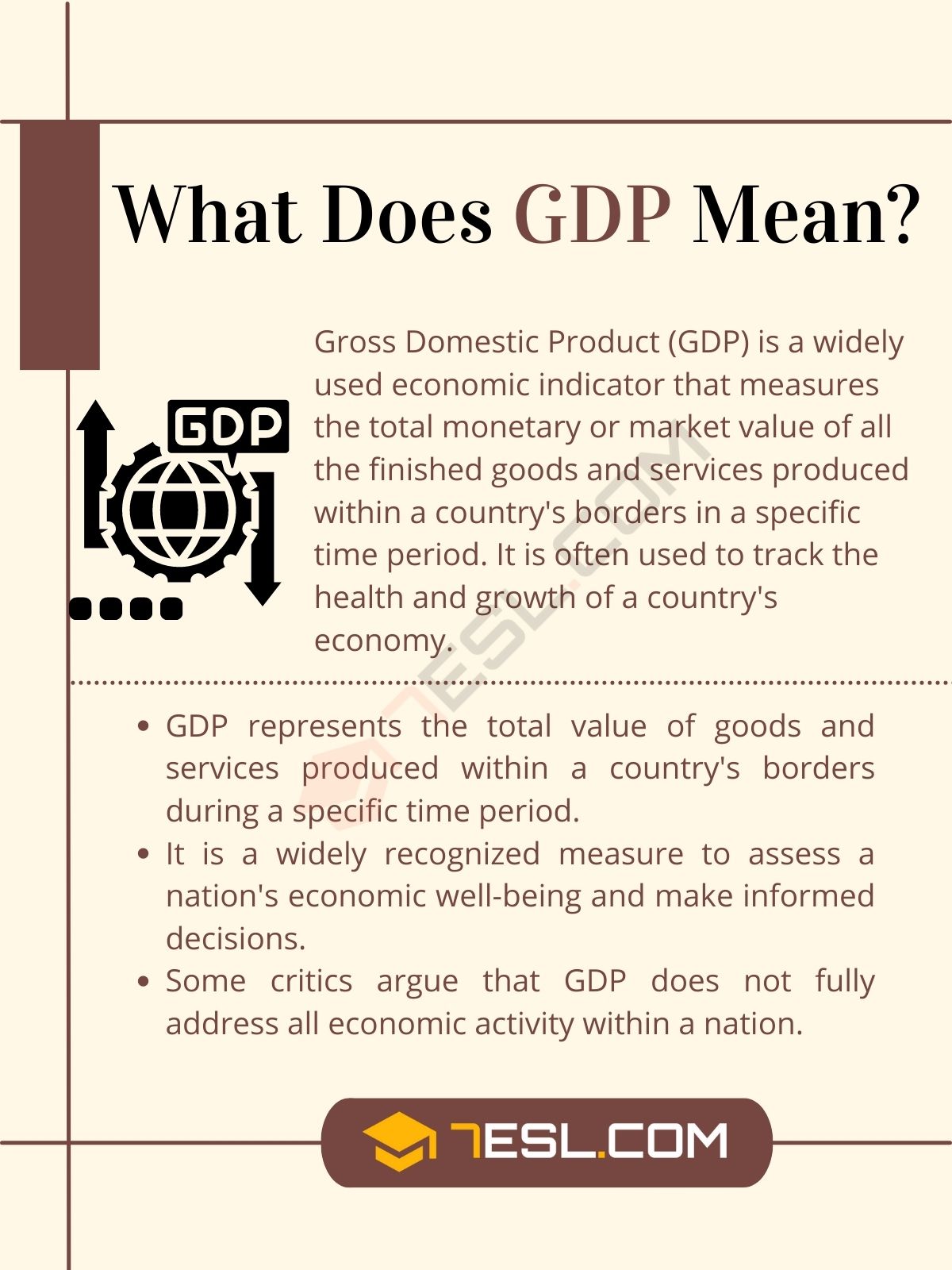
GDP measures the monetary value of all finished goods and services produced within a country’s borders over a specific time period, typically annually or quarterly. It’s calculated using three primary methods: the production approach, the income approach, and the expenditure approach, providing insights into various aspects of economic activity.
Current Trends and Data
According to the Bureau of Economic Analysis (BEA), the U.S. GDP growth rate for the second quarter of 2023 was revised to an annual rate of 2.1%. This growth comes amidst challenges such as inflation and fluctuating interest rates. The International Monetary Fund (IMF) projects a global GDP growth of approximately 2.9% in 2023, signaling a gradual recovery from pandemic-induced economic disruptions.
Regions like Asia-Pacific are expected to witness stronger growth, particularly driven by countries like India and Indonesia, while European economies face slower growth due to energy concerns and inflationary pressures.
Implications of GDP Fluctuations
GDP influences numerous facets of daily life. A rising GDP often correlates with increased employment opportunities and improved living standards. Conversely, declining GDP can lead to higher unemployment and lower consumer spending. Therefore, monitoring GDP trends is essential for businesses, policymakers, and consumers alike.
Conclusion
Understanding GDP is vital for comprehending the overall economic landscape. As nations continue to navigate post-pandemic recovery, those invested in economic trends should keep a close eye on GDP fluctuations. Future forecasts suggest that while recovery may be uneven across different regions and sectors, a focus on innovation and sustainable practices may pave the way for robust economic growth in the coming years.