
Introduction
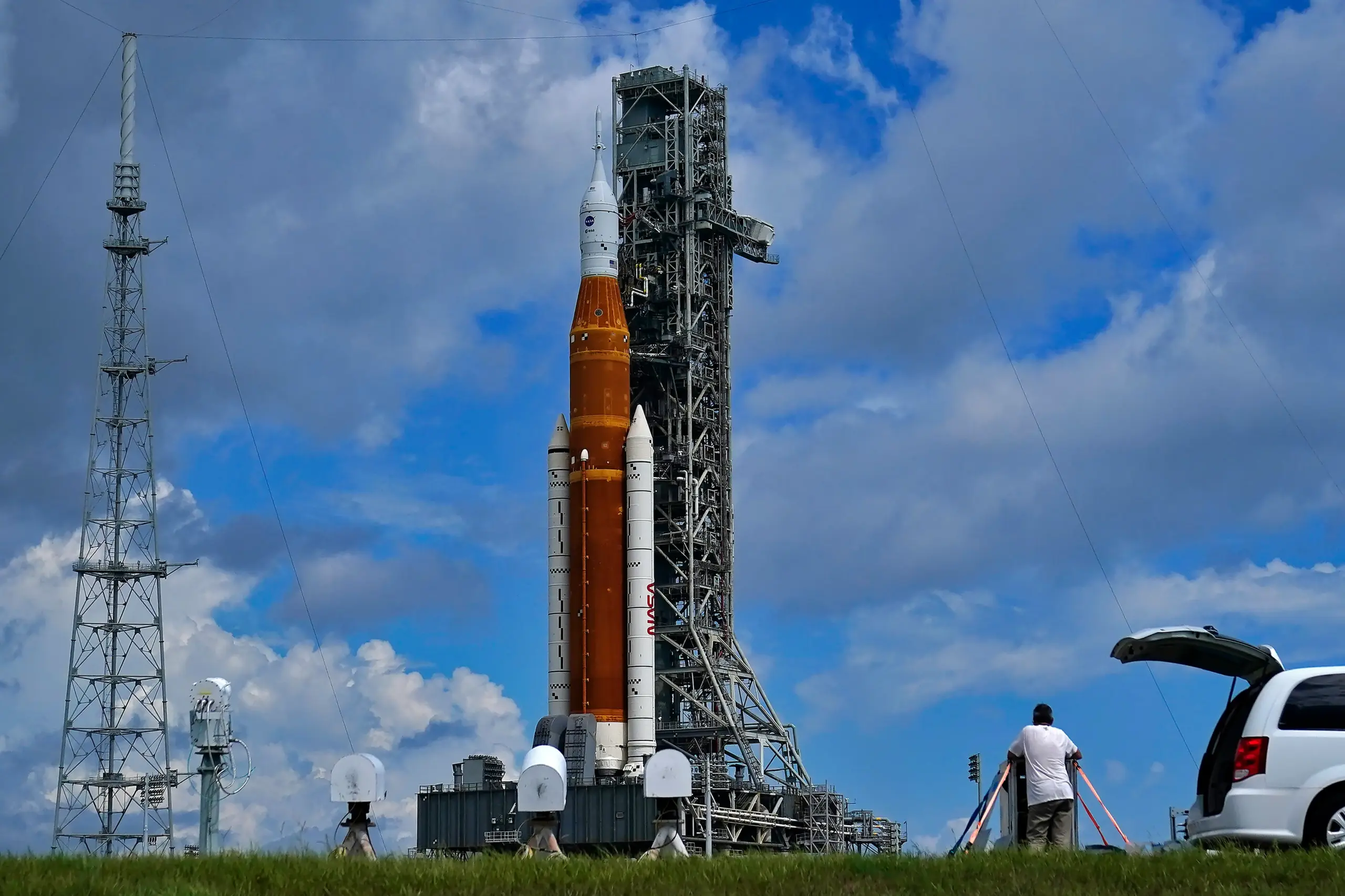
The NASA Artemis rocket launch represents a pivotal moment in space exploration, aiming to return humans to the Moon and pave the way for future Mars missions. As NASA continues to push the boundaries of human capabilities in science and engineering, the Artemis program stands at the forefront, inspiring a new generation of explorers and scientists.
Details of the Launch
The Artemis I mission, which successfully launched on November 16, 2021, marked the first uncrewed test flight of the Space Launch System (SLS) rocket and the Orion spacecraft. Overcoming multiple delays, the rocket’s launch was seen as a historic step towards NASA’s goal of establishing a sustainable human presence on the Moon by 2024 and eventually sending astronauts to Mars. NASA has invested approximately $93 billion into the Artemis program, making it one of the most ambitious space projects in recent history.
Key Features of Artemis I
The SLS rocket is the most powerful launch vehicle ever built, designed to carry astronauts aboard Orion for deep-space missions. The successful launch incorporated a 25.5-day mission plan which included lunar flybys and tests of various systems crucial for future crewed missions. During its lunar flyby, Artemis I traveled over 1.3 million miles, gathering vital data to ensure the safety of astronauts on upcoming missions.
Future of the Artemis Program
As the Artemis program expands, it is scheduled to develop through a series of missions, including Artemis II, expected to carry astronauts around the Moon, and Artemis III, which aims to land the next crew on the lunar surface by 2025. These missions aim not only to explore the Moon but also to test technologies for future human expeditions to Mars.
Significance of Lunar Exploration
The research conducted during Artemis missions is critical for understanding not just the Moon but also the broader context of the solar system. Concepts like in-situ resource utilization (ISRU) are being tested, which would allow astronauts to utilize local resources for fuel and supplies, an essential capability for long-duration space travel.
Conclusion
The NASA Artemis rocket launch signifies more than just a mission; it embodies humanity’s ambition to explore beyond our home planet. As we prepare for these groundbreaking missions, the collective efforts of scientists, engineers, and explorers inspire a renewed interest in space and open new possibilities for the next era of exploration. With ongoing commitment and investment, the Artemis program is poised to redefine our understanding of the Moon and prepare us for the next giant leap: sending humans to Mars.