
Introduction
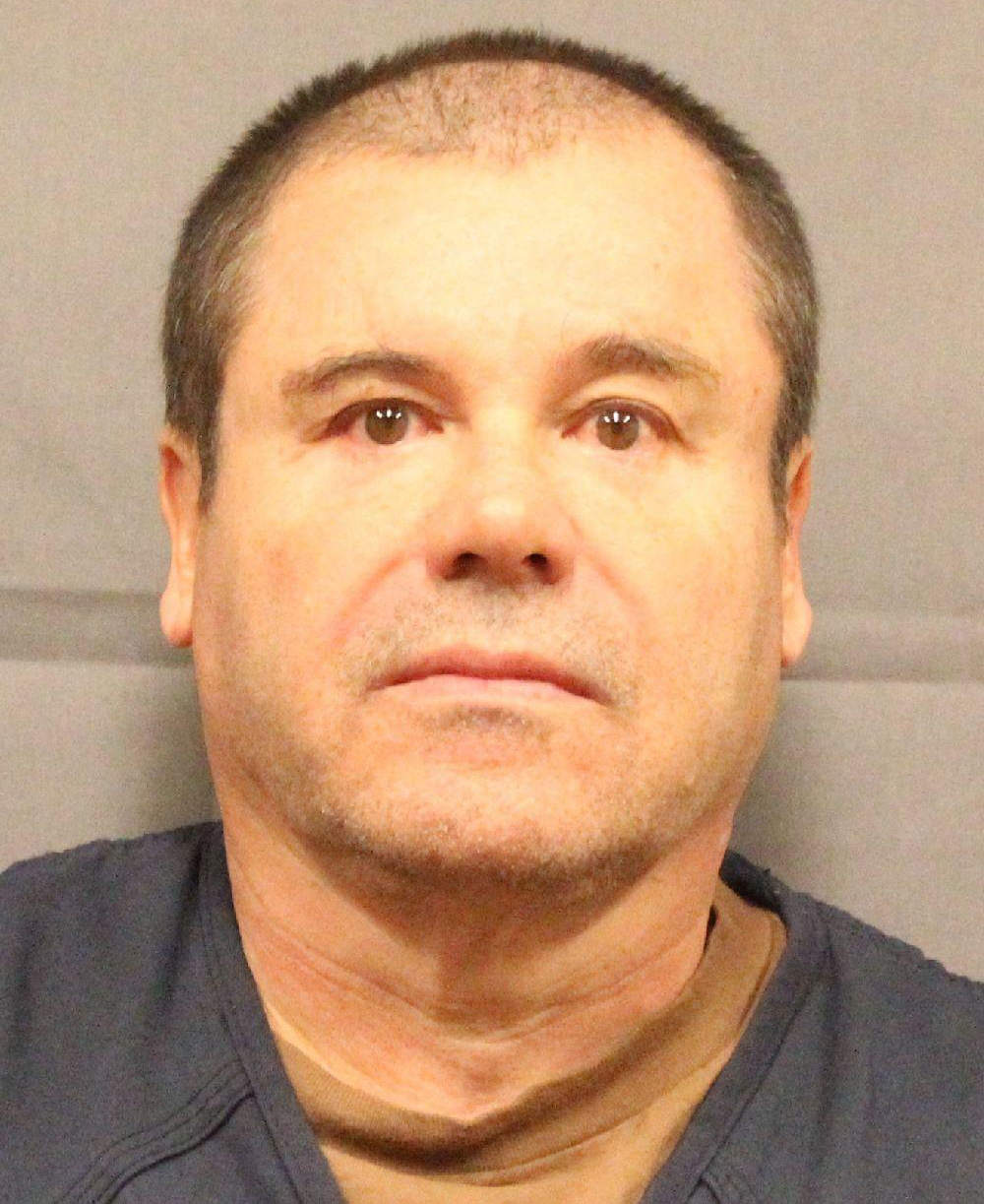
Joaquín “El Chapo” Guzmán, the infamous Mexican drug lord, remains a significant figure in discussions about drug trafficking and organized crime. His rise to prominence as the leader of the Sinaloa Cartel not only illustrates the sheer scale of narcotics operations in Mexico but also highlights the ongoing challenges law enforcement faces in combating organized crime. His story is pivotal in understanding the complexities of drug policies and public safety issues, making it relevant to both national and international audiences.
The Life of El Chapo
Born on December 25, 1954, in La Tuna, Mexico, Guzmán’s early life was marked by poverty. His trajectory changed when he began working for drug trafficker Héctor Luis Palma Salazar, eventually forming the Sinaloa Cartel following Palma’s arrest. Over the years, Guzmán expanded the cartel’s influence, spearheading the transport of cocaine and methamphetamine into the United States.
Criminal Empire and Arrests
El Chapo’s criminal empire flourished throughout the late 90s and early 2000s, leading to his first arrest in 1993. After serving a short sentence, he escaped from prison in 2001, initiating a manhunt that made headlines worldwide. His arrest in 2014 marked the beginning of a new chapter, with Guzmán escaping from a maximum-security prison in 2015 via a sophisticated tunnel system. Eventually, he was recaptured and extradited to the U.S. in 2017.
Trial and Sentencing
Guzmán’s trial captivated the media, highlighting the inner workings of his cartel and the violence associated with drug trafficking. In July 2019, he was convicted on numerous charges, including drug trafficking, money laundering, and involvement in organized crime, resulting in a life sentence plus 30 years in prison. His trial underscored the extensive reach of the Sinaloa Cartel, with testimonies revealing the scale of corruption and violence that characterized Guzmán’s operations.
Recent Developments
Even in prison, El Chapo remains a topic of conversation. The Sinaloa Cartel continues its operations, albeit under new leadership, and the influence of organized crime persists in Mexico. There are ongoing debates about the effectiveness of current drug policies and the cycle of violence perpetuated by such powerful cartels. Additionally, recent reports suggest that Guzmán’s family, namely his sons, are trying to consolidate power and might be creating a new era for the cartel.
Conclusion
The saga of El Chapo serves as a cautionary tale about the complexities of drug trafficking and organized crime. As law enforcement adapts to new challenges, the legacy of Guzmán’s operations lingers, illustrating the necessity for comprehensive strategies to address these issues. For readers, understanding El Chapo’s impact sheds light on the ongoing battles against drug trafficking and the broader implications for society.