
The Significance of IRS Refunds
As tax season approaches, the topic of IRS refunds becomes increasingly relevant for millions of taxpayers across the United States. For many, receiving a tax refund is a welcome financial boost that can help with bills, savings, or even a vacation. Understanding how IRS refunds work, what can affect refund amounts, and recent updates from the IRS is essential for taxpayers aiming to maximize their returns.
How IRS Refunds Work
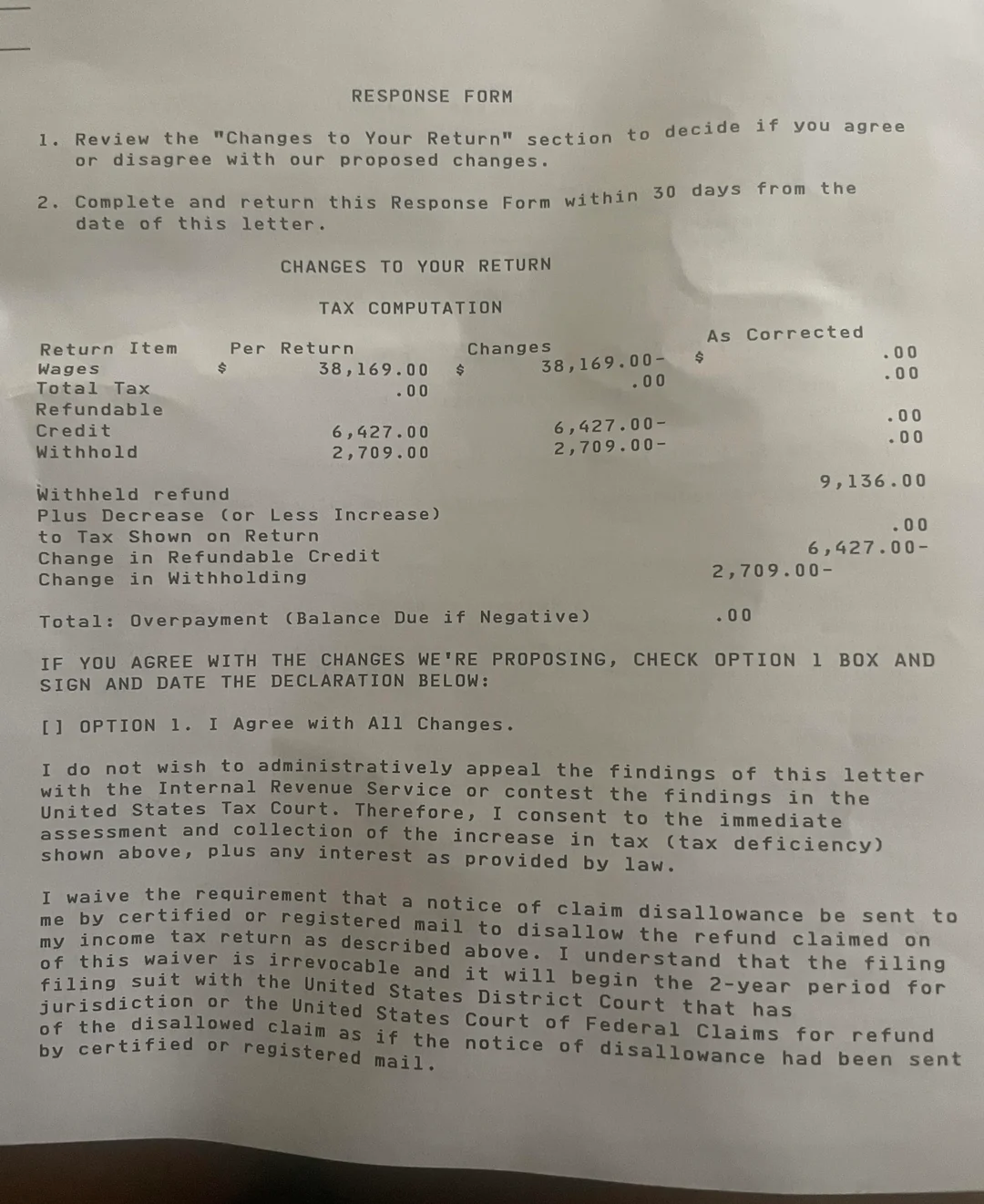
An IRS refund is the amount returned to a taxpayer when their total tax payments exceed their due tax liability. Refunds can result from various factors, including overpayment of taxes, tax credits, or withholding. The processing time for refunds can vary, but taxpayers typically receive refunds within 21 days if they e-file and opt for direct deposit. Paper returns can take significantly longer to process, often extending to six weeks.
Recent Developments Affecting Refunds
This year, the IRS has updated its guidelines in response to economic challenges and changing tax legislation. One significant change includes the expansion of certain tax credits, such as the Earned Income Tax Credit (EITC) and Child Tax Credit (CTC), which can increase refund amounts for eligible families. Additionally, the IRS is implementing improved technologies to expedite refund processing, aiming to reduce the backlog of returns that developed during the pandemic.
What to Expect in the 2023 Tax Season
Taxpayers are encouraged to file their returns as early as possible this tax season to receive their refunds quicker. As of March 2023, the IRS reports that the average refund amount is around $3,200. However, this figure can vary greatly based on individual circumstances. Taxpayers should also ensure they have all necessary documentation to prevent delays, including W-2 forms, 1099s, and receipts for deductible expenses.
Conclusion: Planning for Your IRS Refund
Tax refunds can play a critical role in personal financial planning for many individuals and families. As this tax season progresses, taxpayers should stay informed about their rights and any updates from the IRS that may impact their refunds. By being proactive and organized, taxpayers can better navigate the process and optimize their potential refunds. For those eager to receive their refunds, filing early and choosing direct deposit remains the most effective strategy.