
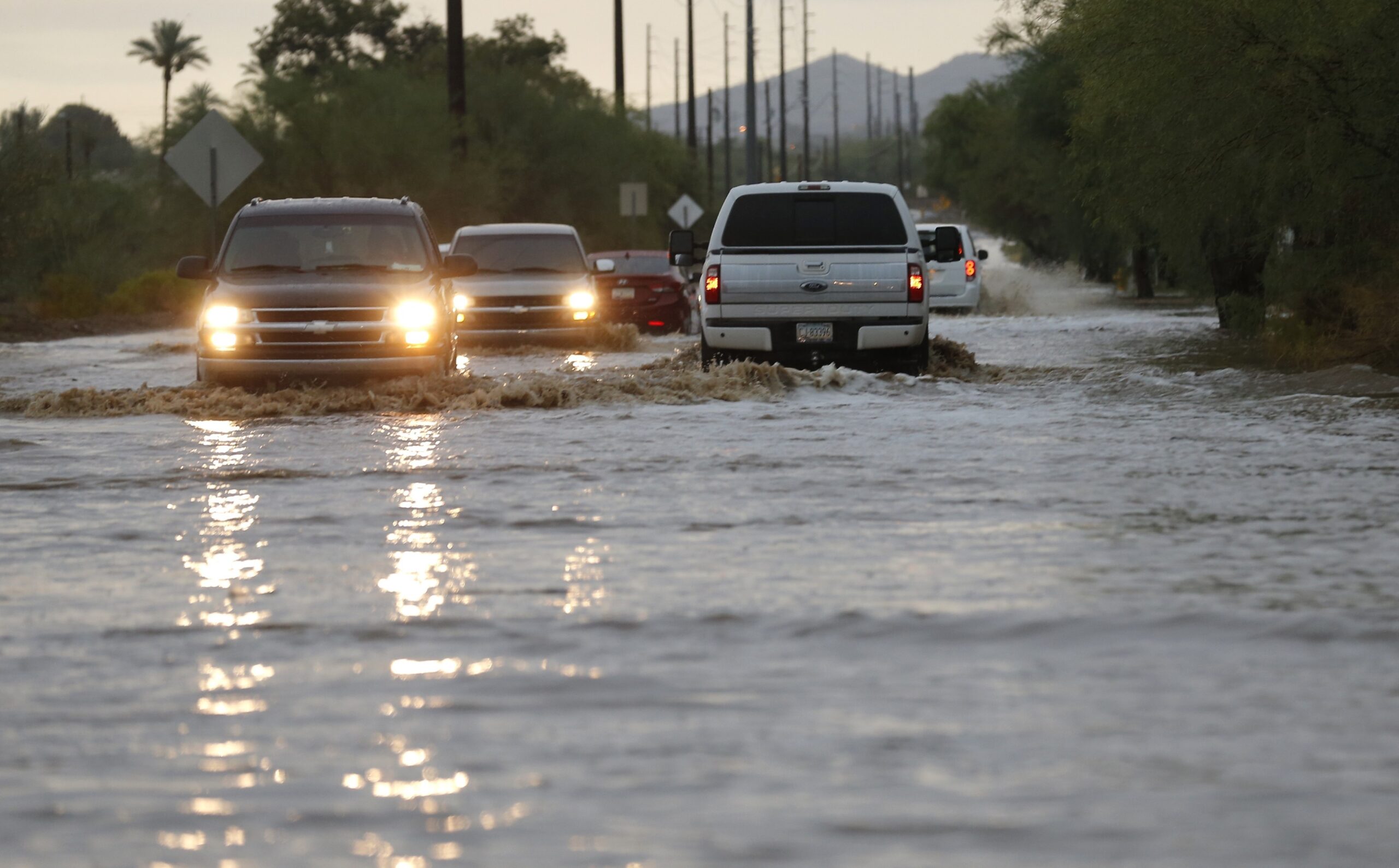
The Growing Concern of Floods
Flooding has become increasingly common and severe, raising concerns about its impact on communities and infrastructure. With climate change intensifying weather patterns, many regions are experiencing unprecedented rainfall and rapid snowmelt, leading to significant flooding events. Understanding the nature and consequences of these floods is crucial, as they pose risks to public safety, property, and ecosystems.
Recent Flood Events
In the past month, several areas across the United States have faced severe flooding. One of the most significant incidents occurred in September 2023, when torrential rains hit the northeastern states, particularly in New York and New Jersey. The National Weather Service reported that some regions experienced over 10 inches of rain in just 48 hours, leading to flash floods that inundated homes and forced evacuations.
Emergency responders reported that rescue operations were initiated for residents trapped in their homes. Many roadways became impassable, and public transport services were halted in the worst-hit areas. The Federal Emergency Management Agency (FEMA) has been mobilized to provide assistance to affected communities, a move that underscores the federal government’s response strategy to such natural disasters.
Impacts on Communities
The aftermath of these flooding events is profound. Communities are left dealing with water-damaged properties, disrupted infrastructure, and emotional distress. Local businesses have suffered losses due to flooding; many may never recover fully. Educational institutions have also been affected, with schools closing temporarily as they assess and repair damage.
Looking Ahead
As the frequency of flooding increases, so does the urgency for improved flood management strategies. Local governments are being prompted to invest in better drainage systems, flood control structures, and emergency preparedness programs. Experts advocate for adopting sustainable practices and technologies that can mitigate future flooding risks.
Conclusion
The recent flood events reiterate the importance of preparedness and proactive measures to protect lives and property. Moving forward, it is vital for communities to enhance their resilience against such natural disasters. By fostering awareness and implementing effective strategies, regions can better manage the impacts of floods, safeguarding their residents and infrastructure for the future.